Energy balls

IMG_0249

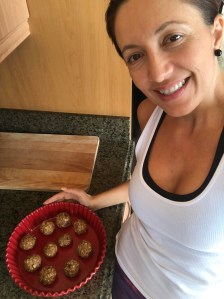
Last night I was having a conversation with a friend who asked me “what do you eat when you feel like having something sweet?” And that question got me thinking that this is a dilemma that most people have. Even if you don’t have a weakness for sweet foods like I do, its useful to have some options that are easy and you can do at home. So this blog is all about the energy balls.

Basically its an energy bar made into a ball, full of protein, fiber and healthy fats (and other micronutrients).  The video I made to illustrate the recipe is in Spanish, but seriously, it’s so easy to do that even if you don’t speak Spanish, you will be able to replicate it at home.

See the video here.

Continue reading

The Powerhouse inside us

Hi there my friends!

Remember my blog about Gut Health? I find this topic fascinating because there is a lot that we still don’t know about the benefits of looking after our microbiome. If you don’t know what I mean by microbiome, I recommend reading that blog so you are fully connected to what I am about to share here.

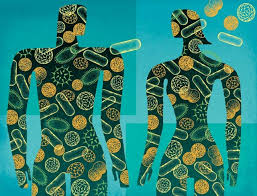
Basically, our microbiome (The community of good and bad bacteria living in our gastro intestinal tract) is like the Amazon jungle: diverse but also vulnerable if we don’t care for it, as we should.

In order for human beings to have optimal health, we need to protect the diversity of the microbiome. These tiny critters are essential to our wellbeing. I think I can predict what you are thinking: she is talking about eating healthy to avoid overweight and digestive issues. Well, there is a little of that but there is so much more to it.

Numerous studies show us the connection between our gut and the neurological, and immunological system as well as the influence of the microbiome on gene expression and the most obvious, the role in the absorption of nutrients for proper body functioning.

I want to focus on the first three connections because I feel there isn’t enough information available (unless you really look for it) and I am sure you can learn something new today.

images-1

Photo by Regeneratemagazine.com

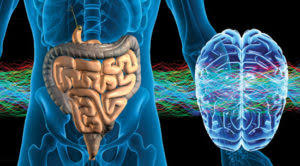
Connection of the gut with the neurological system

Different research studies and medical journals demonstrate the connection between our healthy bacteria and the brain. In fact, neurotransmitters like serotonin and dopamine are actually manufactured in the gut. Serotonin is used inside the brain and it affects our mood, social behaviour, appetite, sleep, memory and sexual function. Lack of serotonin leads to depression, anxiety, autism, schizophrenia among others. On the other hand, dopamine, being another messenger in the brain, is involved with many activities such as behaviour patterns, mood swings, learning, motivational factors (reward and reinforcement). When we lack dopamine diseases like Parkinson’s, schizophrenia and ADHD are more likely to happen.

For more information on this subject, click here.

images-2

Photo by Gutmicrobiotaforhealth.com

Connection of the Gut with the immunological system

Did you know that feeding your good bacteria is the key to fight diseases? And did you know that 80% of your immune system is located in your gut? I bet you didn’t, but it’s absolutely true. Everyday, there are more studies that show that all diseases originate in the digestive system and it all starts with inflammation in the gut. Inflammation happens every time we eat the wrong stuff (fried foods, processed foods, foods with additives and hormones, refined sugars). You can live many years with inflammation and don’t realize it and before you know it, disease is already living in your body. Our good bacteria decreases every time we eat the wrong foods and the only way we can support it (so they can fight the bad bacteria and we avoid diseases) is to feed it with real nutrients.

For more information on this topic click here.

Lastly, we have the connection between the gut and our genes. Amazingly, the microbiome communicates constantly with our genes and it has the power to transform them. Our metabolic responses are affected by this relationship in the sense that if we do the “right things” we will help to transform that gene expression into a positive one and therefore, we will be healthy and happy. On the contrary, if we continue living with bad habits, eating unhealthy, encouraging high stress and lack of physical activity, we will communicate this to our genes instead.

So the question is: what can we do to make it easier for our neurotransmitters to do their job properly? How can we avoid getting sick?

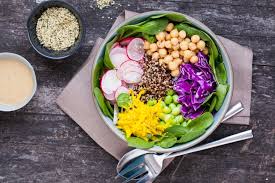
The answer my friends is very simple: eat a diet rich in vegetables, fruits, whole foods and clean proteins. Easy, right?

images-3

Photo by Wellandgood.com

Not only that, for those who are already showing signs of diseases, an elimination diet or fasting can help your body heal and reset. (I plan to write a blog about this soon)  Something you can start practicing now is mindful eating: chewing enough, finding the space to nourish yourself with respect and love for your body and of course eating healthy food.

My opinion is that changes are easy to integrate when you are aware of the connections inside our body as well as those in the outside world. Everything affects our wellbeing: the food we eat, the lifestyle we choose, the relationships we cultivate, our connection with ourselves and also with our microbiome.

I trust this blog inspires you to find out more information and start implementing changes in your diet. If you need help, let me know and I will happily assist you.


As usual, don’t forget to share, this information is useful for everyone.


Bear hugs!


Become a food label detective

ben-jerry-dublin-mudslide-ice-cream-nutrition

Hi there my friends! As mentioned in previous blogs, the best way to start your path to wellness is to eat fresh unprocessed foods, meaning eat from the earth and not from packages. However, I am aware there are certain foods that will come in packages and we will continue buying them because they are convenient and also because they are part of what we know. So knowing this is going to be the case, let’s talk about the food label in packaging.

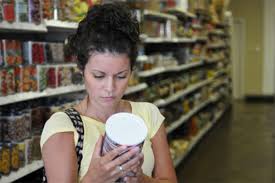
I know some people look at the label in the product, but do you actually understand what it says? This is very important because it provides the information you need to make an informed decision.

So let’s go over the label.

  • Ingredients are listed in descending order by weight. So if you see sugar on the top, for example, put it back on the shelf. There are at least 61 names for sugar used in food labels and many times there are quite a few in one product. If you want to see the list, click here. Another clue is, if you can’t pronounce the word, it is not safe for you so don’t eat it.
  • Avoid partially hydrogenated fats which are also known as trans fats. They are chemically processed, which raises bad cholesterol (LDL) and lowers good cholesterol (HDL). Normally you can find them in bacon, ham, sausages, frozen foods and some can foods.
  • Salt (made of sodium 40% and chloride 60%) is in many foods and we tend to add more before eating it. Look for foods that have no added sodium and if you do, choose those labeled “sodium free”, which have less than 5g in a serving or “low sodium” which have less than 140g per serving. For your reference, 1500 mg of sodium amounts to 0.75 teaspoons or 3.75 grams of salt per day. This amount is the ideal limit for most adults. Check this link for more information.
  • Be aware of marketing tactics. In the United States, for example, the use of the word “natural” to describe human food products is not strictly defined by the FDA. Many foods can have this word in the package but there is nothing natural in them. So again, check the ingredients to see the details.

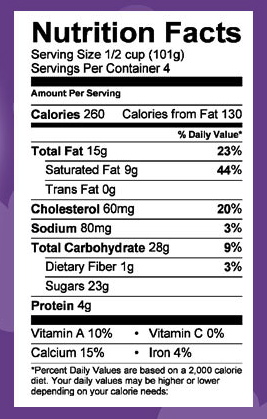
And if you eat two servings, multiply x 2 the quantities of the ingredient. I don’t expect that you carry a calculator to see how much of this or that you are eating, my point is to be mindful of the servings. Because when you multiply that for x 3 meals a day x week x month x year…it all adds up.

images-3

Other points to consider:

  • Some canned foods are healthy options: legumes are good examples. If you don’t have the time to cook or soak beans overnight, canned legumes are a great second best option. Just make sure they are low in sodium (or salt) and there are no added ingredients.
  • Yogurt is not meant to be sweet so to really get the benefits avoid buying sweet yogurt. If you want to add sweetness to it, you can find healthier options such as raw honey, stevia or agave nectar. Also, do not assume that because they are natural sweeteners they don’t add calories! If you are looking to keep your weight down, be aware of the amounts you are consuming.

The American Heart Association (AHA) recommends:

Daily added sugar limits:

Women: 6 tsp (25 g)

Men: 9 tsp (38g)

Children 3-6 tsp (12-25g)

Be aware that I am not even discussing calories here, my main point is the ingredients.  So be a detective! Remember that you are in control, you are the best person to look after yourself.

In my next blog, I will show a video about how to best understand food labeling, so keep an eye on it. (Next week)


Thank you for reading this blog and as always if you are learning something new, don’t forget to share. Everything I share with you is with love and dedication hoping to guide you in your path to become a healthier happier YOU.


Other references

http://elevate.com.au/supermarket-sugar-connection-guide/

http://sugarscience.ucsf.edu/hidden-in-plain-sight/#.WcufHyMrIgp


Interview with Dr. Pamela Popper

Highlights of the interview with Dr. Pamela Popper author of the book “Food as Medicine”

imgres-1

There are lots and lots of books related to health and dieting but there are a few authors who have the courage to say things as they really are. What do I mean by that? Doctors who publically raise the issue that the health system in the United States is not a health system but a sick system considering the influence of the food and pharmaceutical industries in our decision making, food politics and lack of clear information to consumers like you and me. This is the reason I got interested in Dr. Pamela Popper.

I first heard about Dr. Popper watching the documentary “Food Choices” and later on I read her book “Food as Medicine” where she talks about these specific aspects: food as a way to avoid diseases, over medication and lack of honest information for consumers. So to make the story short, I had the incredible opportunity to interview Dr. Popper and ask her about specific parts of her book which now I can share with you. The full interview was 40 mins so I decided to summarize the session and show you the highlights. Everything I write and share is with a high dose of love and dedication so I hope you find it useful.

MXO: Dr. Popper you are an advocate for a plant based diet. Can you briefly, in layman terms, explain why you recommend this diet?

Dr.Popper: Well, there are two major  examples to show why this diet is the best for humans. The first thing is that if you look around the world, there are still a few places left where the diabetes rate, cancer rate, heart diseases rate are very low, and these people eat a plant-based diet, and this should be a clue. I mean our health statistics in the United States are terrible, we are eating a diet that is comprised of animal foods and processed foods so that is a clue. Another very significant clue we have is a growing number of studies where using a plant-based diet has shown to stop the progression of or reverse conditions like diabetes, coronary artery disease, even some cancers, so between those two we have a pretty powerful case we can make for eating a plant based diet.

MXO: What do think about animal protein? Do we really need it?

Dr. Popper: There are economical reasons throughout history to explain why eating animal protein became popular. In wealthy areas, people would eat more and more animal foods, and it was considered the food of rich people which many aspires to. And it’s an honest inverse relation between the increase of animal food intake and the health status which goes down at the same time, so that is what’s actually happening. We have been told that we need animal protein and this is mythology. My take is that there is no compelling reason to include it in the diet. For people like me who don’t eat any of it, I am not missing out on something, I am not going to be deficient in anything. For people who insist that they must have some, then at least limit it to the amount that is eaten by people who live in areas of the world where they have significantly better health.

MXO: Moving away from animal protein also means we need to bring more variety of food in our plate. What can you advise people to start diversifying their foods?

Dr. Popper: I have a lot of clients is my wellness center who are picky eaters and what I tell them is that variety is a luxury of western civilization. The story of a specific person comes to me, a guy who had very compelling medical reason to change his diet, he was scared to death. Right away he said to me “I don’t like the food that you eat” however, I am willing to do it. So I said to him “every so often I would like you to try something that is just new”, we went through the foods that he likes (that are healthy) and he started adding new ones every now and then. Last time I saw him he said “Guess what? I ate kohlrabi” and I thought, now he is getting adventurous! I can see that giving him a comfort zone to start from and get more adventurous later on was the way to go.

I also tell people they need to have this visualization in your head, when you go into the grocery store, farmer’s market or whatever, I want you to think about food as drugs as my book Food over Medicine like this: There are some vegetables that are called cruciferous vegetables, I want to choose a couple of those “drugs”, there’s a class of fruits called stone fruits, so pick some of those “drugs” too (peaches, cherries), then we have leafy greens, this one is a great set of drugs too, tubers, etc. When you start seeing these foods as foods that can heal your body, and maintain your body, this will make a huge difference.

MXO: Let’s talk about over testing and overmedication. You mentioned in the book that many times patients are asked to get a lot of unnecessary tests that can actually cause health problems such as infections or simply create unnecessary panic. What would you recommend to people when they are faced with this situation?

Dr. Popper: Well, unless it is an emergency, If I was in a car accident and I am bleeding, I don’t want a bake potatoe and a copy of the China Study (Study about effects of nutrition in health), I want to be taken to a hospital and get the best of western medicine: anesthesia, drugs, surgery, anything that is required. Most of the time medicine is about sitting in a doctor’s office and been told to take this drug, do this treatment, get this test, so the answer (from consumers) should be “that’s an interesting idea, I want to research about this information you are giving me so please provide me with information sources that back up what you are advising me to do. Once I review it I will come back to you with my decision”. Medicine should not be about a patient agreeing to anything the doctors says, we need to ask ourselves: what are the side effects of taking the drugs or having a test done? Will the testing reduce my risk of dying? If the answer is no, then don’t do it. Basically, assess the risks and the benefits of doing what the doctor is advising. If you buy a house in this country, you make sure you understand all the details of the house and the commitment you are getting yourself into. It should be the same approach.

MXO: How can health coaches work together with medical professionals to improve the health of the population?

Dr. Popper: There are good medical professionals who are out there and take their profession very seriously. Some even take nutrition classes which is great. What health coaches can do is to empower the patients, prepare them to have a real conversation with their doctor, to help them look at everything: is this a good idea or a bad idea? ask more questions and take control of the situation.

Health coaches can help educate consumers and guide people through habit change in a way it is sustainable and lasting.

I am grateful that I had the chance to talk with Dr.Popper and be able to share valuable information with all of you. If you want to learn more about her work visit her websites: http://drpampopper.com/ , http://wellnessforumhealth.com/about/dr-pamela-popper/ .


Hasta la proxima!
 

The interview with​ Dr. Pamela Popper

Hi there my friends!

Even though Irma got me a bit distracted (more than distracted), I have not forgotten what I promised: the key highlights of the interview with Dr. Pamela Popper. So stick around, because my next post is ALL about her (Monday). This is why you should be interested in this:

imgres 1. Internationally recognized naturopath and expert in nutrition (her work and research is applicable outside the United States)


2.  Lobbyist and public policy expert who works consistently to protect the rights of consumers of the health care system in the United States (for those who live in the U.S, you know the challenges to have reliable high-quality services)

3. Author of different books related to health and one of the lead experts in the documentary Food Choices (2016)

You want to know more? enjoy the weekend and expect my blog next week!


See you soon!


Lessons’ from Irma


IMG_5137

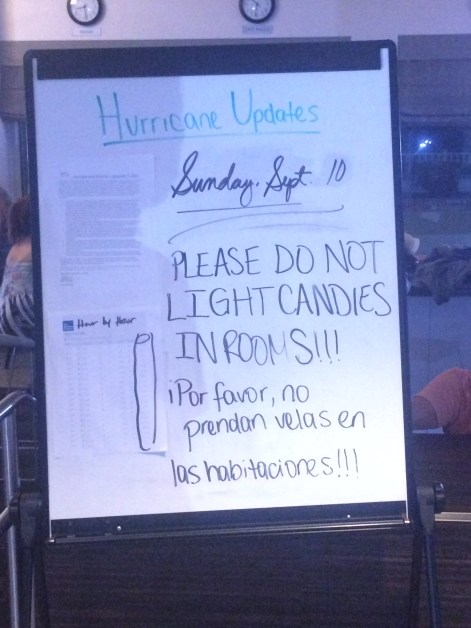
If it hadn’t been because of the unpleasant visit of Irma, it would have been a very relaxing quiet Sunday, probably by the pool or having a BBQ by the beach with friends.

However, to spice things up a little, we had Irma’s visit. As we all know, fortunately for us in Miami, it changed its route and it wasn’t as devastating as we thought it was going to be. (I am convinced all my prayers and those of all around me helped too). I want to say I started writing this blog while we were in the hotel with another 400 people who had to evacuate their homes (in Miami or the Florida Keys) or just happened to be in Miami for a holiday or due to a layover trying to get to their homes in other cities and countries. All of us together for the same reason: protecting ourselves from Irma. A massive force of nature that didn’t care if you were healthy, sick, rich, poor, it didn’t really matter. All of us hoping for the best but prepared for the worse.

This was my first pseudo apocalyptic experience and I felt we prepared for it as much as we could: shutters were up, towels covering the floor to absorb any water, furniture and electronics moved, personal documents in a safe place, cars secured, even healthy food in the cooler. All the physical stuff was secured, I would say the pre-Irma preparations were completed.

But once the storm began, there were other points to consider and I could only prepare for it while I was going through it, while I was looking at what nature was doing outside the hotel windows. Many thoughts crossed my mind: I hope we don’t lose power and if we do, that I can communicate with my family before that, I hope my friends who stayed in Miami and Ft. Lauderdale are safe, where would the birds and Iguana’s at the park go for shelter? I wonder if the apartment is flooded, and so on.

IMG_5133

I only had 50% battery on my laptop so I thought instead of focusing on the things I can’t control, I will focus on those I can, so I started interacting with others who in a normal situation probably I would have never met. An Italian couple who were on holidays in Miami Beach and were stranded because of the hurricane, an Argentinean lady who was on a layover hoping to return to her country, a full family of Cuban Americans who were more than prepared with food and were happy giving it away to others, an American guy who was caring for his mother and sister, people of all sizes, and colors with pets or alone, all of them with such different stories. The only certainty we had was: there’s no electricity, there’s water, the hotel generator is working (for emergency and common areas only), Irma was passing. I could hear the wind was blasting the windows, the trees were fighting to stay rooted and even the toilets were making weird noises. I knew the situation was temporary and was going to finish at some point but for those hours it was stressful. This was the time to apply what I learned in my meditation practice to keep it cool: abdominal breathing, physical exercise, ( I worked out in a quiet corner on Saturday and on Sunday walked 4 floors 5 times at different times of the day just to keep moving) and more importantly, I set my intention to learn from my experience.

IMG_5135

So what did I learn from Irma’s visit?

  • To accept things as they are
  • To be mindful and observe when I was about to start panicking
  • To use my emotional intelligence to manage the situation (being nervous and uncertain) and breathe in and out to calm my emotions and thoughts
  • To understand that my emotions and thoughts are temporary, they are part of my immediate perception of reality and they should not control my actions
  • To be creative and find ways to keep myself active and entertained
  • To be calm and compassionate to others around me
  • To stop judging the book by its cover
  • To accept the generosity of strangers and don’t think they always want something in return

Many lessons that happened in 3 days and all happened at the right time. On Sunday night, I ended up finishing this blog writing with a flashlight knowing that Irma was heading north and we were going to be safer the next day. It was an intense experience that made me think that as human beings, we are very vulnerable and we should enjoy more, laugh more, love more, stress less, and complain even less. Life is short and I want to appreciate it and live it to the fullest. I know many of you also want the same thing.

How wonderful was that I could see more the faces of people instead of their heads looking down to their phones! people were actually talking to each other, for those hours, even though the reason wasn’t exactly a fun party, people were present in that moment. There was uncertainty and fear but also kindness and compassion.

I want to finish this blog with these words from Paramahansa Yogahanda, the Indian spiritual leader, which resonate with me deeply: “Open the door of your calmness and let the footsteps of silence gently enter the temple of all your activities”. I am applying this thinking in my life and believe me, in this situation, that was very stressful, it helped a lot. I keep working to increase my calmness and help others around me find it and nourish it in their own paths. Meditation or any other type of spiritual practice is food for the soul, just as important as having the right food in our bodies.

Do you have a spiritual practice? If so, I would love to hear from you. If you don’t, don’t worry, I can guide you.

Until next time my friends!

And remember to share this blog and subscribe to my website to receive more nourishing tips on how to live to the fullest.


Bear hugs,


Interview with Dr. Pamela Popper

imgres

Hi there my friends!

I am sure that almost everyone admires an author and secretly wishes to have the chance to have a conversation with this person at some point in their life. Well, ladies and gents, I have the incredible opportunity to have this conversation with a medical doctor who I follow and admire deeply.  Dr. Pamela Popper is an internationally recognized naturopath, expert in nutrition, medicine and health, who lives in Colombus, Ohio. She has been featured in different documentaries like “Food Choices” and “Processed People”.  Click this link Dr. P Popper profile in a nutshell for a brief description of her profile. Why am I excited about this? Because she shares nuggets of wisdom that are relevant to all of us:

  1. Why a plant-based diet is an ideal diet
  2. Changing our relationship with food
  3. Being an informed consumer

The session was about 40 minutes but to make it easy for you (I know everyone is busy), I transcribed the interview and extracted the highlights so it is short and straight to the point. (If you wanted to see the video interview, I am happy to share it, just let me know by email)

For the record, I am not being paid by her to share this information, I am only doing it because I trust her expertise, knowledge and more importantly I trust her judgment. She says things are they are and doesn’t have issues with making a bit of noise. The interview is available for subscribers to my site, so don’t be shy and subscribe. This will also provide you access to more content that is specifically designed for those who want to live fully and happily.

When is it coming? next week!

You can also email me and I’ll subscribe you: mxospina@nourishmegood.com.

Hasta pronto!


Healthy food for busy men

emotional-eating

As you know, many of us eat a lot away from home (unless you work from home). For those who have the discipline to carry lunch to work (meaning they dedicate some time to plan meals, go shopping and prepare them for the week) big kudos to them! But for those who simply don’t seem to have enough time, travel too much and end up eating in restaurants 4 or 5 days a week it’s important to know what options could be healthier than others. My feeling is that it’s easier for women (perhaps because we want to be in shape and traditionally are in charge of running the home) to decide what options could be healthier. But what about men? Do they care to eat something healthy and nutritious or are they only concerned with feeling satisfied? My take is that generally, men don’t really pay much attention to the nutrition side of food. As long as it tastes good and its delivered or cooked in no time, it ticks pretty much all the boxes.

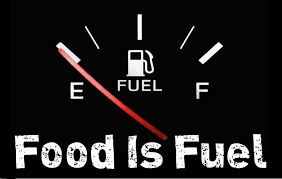
So this blog is actually for you MEN, who eat out a lot, have busy schedules, eat at the office or skip meals. Do you want to be productive? Be the rock star in your meetings? Have mental clarity throughout the day to make decisions at work? Well fellows, let me say it is possible. Don’t wait until your body is collapsing, please. I dare you to prove to women that you are just as strong minded when it comes to making conscious choices around the way you “fuel” your engine.

I know you are dying to hear my tips, so here they go:

  1. Add clean protein to your diet: It is scientifically proven that we don’t need to eat animals to add protein to our diet. However, if you are going to have animal protein, choose lean and quality meats (animals that actually eat real food). Think of this: hormone stimulants, antibiotics and animals fed with GMO foods full of herbicides, and pesticides. Do you really want to eat this? Remember you will eat what that cow ate. (Apart from the obvious cruelty to animals) Try to reduce animal protein to half of what you currently do and replace it with legumes, whole grains, and vegetables. Initially, you will feel its too much fiber in your gut but your stomach will adapt to it (so give it a couple of weeks). Reducing animal protein ( and side products) will help to:
  • Reduce saturated fat that causes inflammation (leading to chronic diseases)
  • Less destructive bacteria in your gut and better absorption of real food
  • If you drink milk, ditching dairy will reduce the effect on your hormones, apart from the fact that it’s proven that it doesn’t add calcium as most advertising led us to believe. Check Dr. Hymann for more information. Milk is for calves not for humans.

Don’t be panicked if you feel gassy or poo many times a day, this is absolutely normal as your gut microbiome is getting used to the change. In a few days, it will go away.

2. Drink more water: Do you feel foggy throughout the day? I am not surprised. Did you know that the brain takes a long time to trigger a response to let us know that we are dehydrated? So, keep a bottle of water in your office and don’t just look at it, drink it, in small sips every hour. Our brain is 75% water so guys, pay attention to this if you want to avoid headaches, fatigue and lack of concentration.

images

3. Limit your sugary foods: If you are like my husband who loves sweets, let me say that I understand. I also have a sweet tooth so this is my weakness too. However, please walk the other way when you see a vending machine with M&M’s or snicker bars and get some fruit: dry fruit, dates, blueberries, apples. They are not only sweet, but they add fiber to your diet and that means you will keep your bowels happily working to get rid of that stuff you don’t need. If it’s too much fiber for you, I recommend to do it gradually. Sugar is not only addictive, it has NO nutritional value and it feeds the bad bacteria so seriously, keep away from it.

4. Eat more nuts: Brazilian nuts are especially recommended because of the selenium content (great to fight certain cancers including prostate), almonds are loaded with vitamin E and healthy fats, peanuts are high in folate which is important for brain development and cognitive functions. Of course, you want to eat nuts in moderation as they can also help you gain unnecessary weight.

imgres

These are just a few easy steps to improve your health and nutrition. I know it’s hard to change habits but when we realize that food can be our medicine or our poison, we start changing our relationship with it. It’s fuel for our body, the only body we have in this lifetime, so if you want to remain active, productive, strong and energized, don’t wait another 10 years when you are already diagnosed with diabetes or heart disease and have to spend lots of money in medical treatments, start making small but strong steps to better health now.

I am researching different sources and I found this video online which I think it’s very clear and educational in terms of how the body changes when you decide to go vegan. Even if you are not interested in becoming vegan but want to know how your body starts reacting to the changes you introduce by eating a plant based diet, it’s worth checking it out.

So men, are you ready for it? Show us that you can.

Do you think this information is useful? Don’t forget to share it with your colleagues and family and subscribe for more tips and ways to keep healthy. There are lots of people who can benefit from good advice.

See you soon!


Gut health

images-1

If someone told you the food you eat not only nourishes you but also the 100 trillion bacteria, fungi, and viruses that live inside your body, do you think you will eat differently?

I mean, they are only small right? With the knowledge you have right now, what is your gut feeling about the best or worse food for your bacteria? And does it really matter anyway? After researching on this topic, and trust me, I am only scratching the surface here, there is a lot we need to learn about the way our critters live and nourish from us. Why? Because their health is crucial for our own health.

Research shows that we have about 100 trillion bacteria living in our bodies. Did you know that these bacteria outnumber your body cells by 10 to 1? I didn’t. This means we basically are a hybrid being: half human (or probably less than half) + microbiome.

To start this topic, it is crucial to understand the concept of the microbiome, and I will explain it in simple words. The microbiome is a community of microbes that live in our body, however, the biggest colony is in our GI tract. We start building microbiome the moment we are born when we exit our mother’s body either through natural birth or cesarean and also through breastfeeding. As years passed and we keep growing, our microbiome also grows and diversifies. It feeds on the food and the environment we live in. There are many research studies that show that the health of the microbiome contributes to our health in many ways: control mood swings, brain fog, fight auto immune diseases, absorb nutrients and reduce or increase the incidence of chronic diseases such as diabetes 1 and 2, obesity, arthritis, heart and brain diseases.

images-2

I must admit I had no idea we had so many critters living in our guts. It almost sounded like a science fiction movie, if you think of the 100 trillion bacteria that live inside our bodies and the fact they communicate with our genes it’s amazing. At the same time, realizing the connection between our brain, nervous system and microbes is mindblowing.  So considering the microbiome has the power to drive our genetic expression, (meaning they can turn on or off certain genes that can cause diseases) I think it’s very important that we learn how to nourish ourselves and our community of microbes. What research studies show us is that we need to diversify the bacteria in our bodies because it will help us fight diseases in a more efficient way.

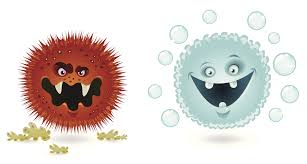
I dare to say the general understanding on bacteria goes like this: we all have good and bad bacteria. When we take antibiotics, we kill good and bad bacteria, which is why we take probiotics to help rebuild the good bacteria. However, as I learn more about this topic, I realized that our gut health goes far beyond the standard media recommendations to focus on probiotics as a way to maintain gut health.

Not surprisingly, there are certain foods that our bad bacteria love and others that our good bacteria need in order to maintain good health. There is a constant battle for power between good and bad bacteria so we need to identify the foods that help good bacteria to succeed.

Let’s go over them.

Recommended foods:

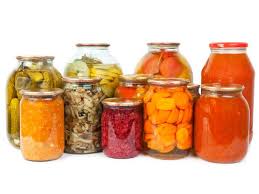
  • Fermented foods like yogurt, fermented vegetables, and kombucha. Check out this link for more information on fermented vegetables. http://articles.mercola.com/fermented-foods.aspx
  • Polyphenol rich foods like blueberries, raw cacao, broccoli and green tea.
  • Plant –based foods add fiber to our diet, which prevents bacteria from eating the mucus in your intestines. This is clearly explained by Dr. Mercola in his blog. I became a fan of Dr. Joseph Mercola because of his extensive work to create more educated consumers and patients. imgres-3

Also, it’s important to add a variety of foods. Research studies show that 75% of the standard western diet is based on 12 plants and 5 animal species. [1] So, in regards to taking probiotics, of course, they help our gut health but food is a stronger influence in terms of long lasting results.

Now, let’s go over the not so recommended foods:imgres-5

  • Fat and  Sugary processed foods – These are huge disruptors of microbial balance. Bad bacteria love sugar (and fat). The more we eat it, the more bad bacteria grow while good bacteria decrease in number. When this happens, we decrease our ability to fight diseases.
  • Conventionally raised animals (and its products) – Due to the antibiotics they are fed while raised.
  • Antibiotics – It is best to avoid them unless you really need to take them for medical reasons. 

If you compare this information to that shared previously in my blogs it all seems to head in the same direction. The best options to keep healthy are foods in their natural form (not processed), fresh, whole and organic.

I found this video, which gives a short but complete picture of how the microbiome world works inside us. You might want to look at it and while you do it, you can share it with everyone you care for. https://www.youtube.com/watch?v=1sISguPDlhY

Becoming a conscious consumer is something attainable. Trust me, it is not that difficult, if you are reading this, you are already on the right path. So keep tuned and stay connected.

What’s your gut feeling after reading this? I would love to hear from you!


Hasta pronto!


[1]Molecular Metabolism 2016 Mar 5;5(5): 317-20


Healthy holidays

imgres

Traveling is something that many of us love to do, especially if it is a holiday. If someone asked me to choose between traveling to a new place and the latest Channel handbag, I would definitely go for the trip. The thought of breathing a different air and exploring other cultures is the most exciting thing for me. Even going back to my home country, which I am lucky enough to visit a few times a year it’s always a great feeling. And of course, with the change of scenery comes a change in food. In my case, I get excited when I know I am going to find different food and flavors. Everywhere I have been, I make an effort to try something local and go to the market and see what people shop and indulge. In most cases, I find something that resonates with me: cactus salad (or nopal as it’s called in Mexico), Lebanese vegetable moussaka, Peruvian ceviche, Ajiaco.

But what happens when you know the food options are not going to be that appealing? Or maybe they are appealing just not too healthy. What do you do? You want to keep a balance: enjoy the trip, enjoy the food, avoid getting sick by eating too much of something you are not used to, keep hydrated (not with beer, this doesn’t count), stay active and at the same time be adventurous and try new foods ( wow…it already sounds like a lot of work and you are supposed to be doing this for fun!)

So what do we do? We don’t want to be the picky eater that no one wants to hang out with but at the same time you also want to keep balance and feel good while you are on a holiday.

imgres-1

I used to do a lot traveling when I had a corporate job and for me, it was always a struggle to keep balance, holidays were no different. However, there are certain tips that I apply when I travel and they make my life easier when I am away from home. I want to share them with you because at some point you can find yourself in a situation where you feel so out of balance that it can potentially spoil your holiday.

  • Food-kit

If you know there are some items that will be very hard to find where you go, always bring some with you. I normally carry green tea bags, a small bag of flax seeds (to keep my bowels moving) and dark chocolate. I am not a coffee drinker so green tea is a must. You can take it in a small zip log bag and that’s it. Be practical; take just enough for the days you will be traveling.

  • Baking soda

This is a very inexpensive product that is great for many things but the way I use it when traveling is to ease stomach pain when you have indigestion, bloating or gas. It also helps to soothe bug bites. Create a paste with a little bit of water and apply it on the bug bites, it will help to reduce itching.

  • Drink plenty of purified water (no tap water)

It sounds pretty obvious but many people don’t drink enough water as it is. When we are on a holiday we tend to drink more alcoholic drinks and food is quite different, which creates an imbalance in your diet. Lack of water can cause indigestion and dehydration so drinking water will help to recover from a hung over and keep your bowels moving to flush out anything that is not supposed to be inside your body.

  • Keep active

Staying by the pool or the beach and drink cocktails all afternoon is super fun, but make an effort to have a couple of days where there is some physical activity involved. Eating and drinking are fun, especially if you are with friends and family but find activities (or let your husband or friends do it for you) where you will be moving: walking, sight seeing, biking, dancing, anything that gets you moving. If you are an active person like I am, your body actually tells you that you need some activity. I personally take a skipping rope and check some online workouts and make sure I work out at least 30 mins a day (if I know I won’t be doing much physical activity). It helps me to sleep better and to digest food better.

imgres-2

  • Pool healthy snacks

Snacks come in many forms but why not making popcorn and flavor it with lime and chili powder? (Check these recipes http://www.jollytime.com/popcorn-recipes/healthy

It’s a healthier option than eating chips. Also, you can chop some seasonal fruit and place it in the fridge. You know it will be available anytime you or your family feel like a little something sweet.

  • Indulgence management

If you are like me, who loves sweet stuff, my best way to keep it under control is not to buy anything that is loaded with sugar. Instead, I buy fruit that is sweet and I manage my cravings that way (cherries, mangoes) or I get my dark chocolate bar from my bag and that’s it. Another method that may work (this one is a bit tricky) is to share it with someone who is also mindful of his or her weight and health. When you split a cake 2 or 3 ways it’s less sugar and fat you are eating in one hit. (The downside is that you will need a partner in crime for this last one, I have a couple around)

images

  • Be both moderate and bold

If you are trying new food, just be aware that it’s new and your body will inevitably react to it. This is when you want to be moderate and eat small portions, wait until next day to see how you feel. What’s the point in overdoing it and later feel sick? On the other hand, be bold to discover different cooking methods and flavors, there is always something new you can learn from other cultures or your own friends and family that you can apply in your own kitchen. (Obviously, I am referring to healthy habits, not bad ones)

Overall, I would say the best way to keep balance while traveling is to be open to new flavors and ways of eating, but also be mindful about the options that are presented to you and don’t feel guilty if you didn’t stick to your healthy diet every day. If you decide to have that piece of cake, enjoy it with pleasure, focus all your attention on that moment, chew it slowly, savor every bite and make it worth. You know it is a treat and so be grateful for that moment, no guilt whatsoever. Next day you can focus on choosing healthier options.

If you have any tips you want to share with me, don’t be shy and leave a comment. I would LOVE to hear from you.


Besos a todos!