The Powerhouse inside us

Hi there my friends!

Remember my blog about Gut Health? I find this topic fascinating because there is a lot that we still don’t know about the benefits of looking after our microbiome. If you don’t know what I mean by microbiome, I recommend reading that blog so you are fully connected to what I am about to share here.

Basically, our microbiome (The community of good and bad bacteria living in our gastro intestinal tract) is like the Amazon jungle: diverse but also vulnerable if we don’t care for it, as we should.

In order for human beings to have optimal health, we need to protect the diversity of the microbiome. These tiny critters are essential to our wellbeing. I think I can predict what you are thinking: she is talking about eating healthy to avoid overweight and digestive issues. Well, there is a little of that but there is so much more to it.

Numerous studies show us the connection between our gut and the neurological, and immunological system as well as the influence of the microbiome on gene expression and the most obvious, the role in the absorption of nutrients for proper body functioning.

I want to focus on the first three connections because I feel there isn’t enough information available (unless you really look for it) and I am sure you can learn something new today.
images-1

Photo by Regeneratemagazine.com

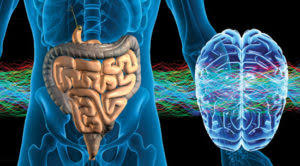
Connection of the gut with the neurological system

Different research studies and medical journals demonstrate the connection between our healthy bacteria and the brain. In fact, neurotransmitters like serotonin and dopamine are actually manufactured in the gut. Serotonin is used inside the brain and it affects our mood, social behaviour, appetite, sleep, memory and sexual function. Lack of serotonin leads to depression, anxiety, autism, schizophrenia among others. On the other hand, dopamine, being another messenger in the brain, is involved with many activities such as behaviour patterns, mood swings, learning, motivational factors (reward and reinforcement). When we lack dopamine diseases like Parkinson’s, schizophrenia and ADHD are more likely to happen.

For more information on this subject, click here.
images-2

Photo by Gutmicrobiotaforhealth.com

Connection of the Gut with the immunological system

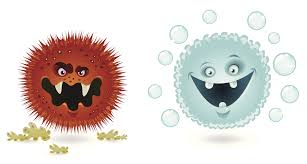
Did you know that feeding your good bacteria is the key to fight diseases? And did you know that 80% of your immune system is located in your gut? I bet you didn’t, but it’s absolutely true. Everyday, there are more studies that show that all diseases originate in the digestive system and it all starts with inflammation in the gut. Inflammation happens every time we eat the wrong stuff (fried foods, processed foods, foods with additives and hormones, refined sugars). You can live many years with inflammation and don’t realize it and before you know it, disease is already living in your body. Our good bacteria decreases every time we eat the wrong foods and the only way we can support it (so they can fight the bad bacteria and we avoid diseases) is to feed it with real nutrients.

For more information on this topic click here.

Lastly, we have the connection between the gut and our genes. Amazingly, the microbiome communicates constantly with our genes and it has the power to transform them. Our metabolic responses are affected by this relationship in the sense that if we do the “right things” we will help to transform that gene expression into a positive one and therefore, we will be healthy and happy. On the contrary, if we continue living with bad habits, eating unhealthy, encouraging high stress and lack of physical activity, we will communicate this to our genes instead.

So the question is: what can we do to make it easier for our neurotransmitters to do their job properly? How can we avoid getting sick?

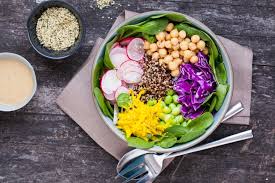
The answer my friends is very simple: eat a diet rich in vegetables, fruits, whole foods and clean proteins. Easy, right?
images-3

Photo by Wellandgood.com

Not only that, for those who are already showing signs of diseases, an elimination diet or fasting can help your body heal and reset. (I plan to write a blog about this soon)  Something you can start practicing now is mindful eating: chewing enough, finding the space to nourish yourself with respect and love for your body and of course eating healthy food.

My opinion is that changes are easy to integrate when you are aware of the connections inside our body as well as those in the outside world. Everything affects our wellbeing: the food we eat, the lifestyle we choose, the relationships we cultivate, our connection with ourselves and also with our microbiome.

I trust this blog inspires you to find out more information and start implementing changes in your diet. If you need help, let me know and I will happily assist you.


As usual, don’t forget to share, this information is useful for everyone.


Bear hugs!



Sweetened or unsweetened?

images

By no means this is a reflection of my music preferences, but I am very sure you have heard this song at least once in your life: “Sugar..oh honey honey, you are my candy girl and you got me wanting you..” (By The Archies and the Spanish version is sang by Magneto and Mercurio, look for it on Youtube just to refresh your memory, yes I know is a cheesy song). Have you noticed all the songs and expressions used worldwide that have to do with sugar? (sweetheart, honey, sugar daddy, sweet revenge) Even better, do you realized that as human beings when we wish to celebrate or cheer someone up or say I am sorry, we tend to choose sugary foods to show our appreciation, love, and care for others? When I was little, I remember when my dad used to take us for ice cream and it was a real treat (even if you knew that he could easily be tempted to bite your popsicle once he was done with his own). It seems like all through our lives sugar has been a silent close companion, it’s always there to make us happy and make everything better. However, we know it’s the cause of many diseases: obesity, heart disease, diabetes and attention disorders in children among other health issues.

So if we know how harmful it is for us, why is it that we eat it so much?

images-26

Because in the society that we live in, it’s very hard to ignore it. We are constantly bombarded with savvy marketing campaigns and advertising that entice us to eat and indulge in it. Also the fact that we have lived eating sugar throughout our lives (birthdays, Christmas, weddings, valentines and the list goes on and on) it makes it almost impossible to be sugar-free or let’s just say moderate. In the United States, companies spend $17 billion annually marketing to children[1], a staggering increase from the $100 million spent in 1983.[2] Even when taking into account the net present value of $100 million over 34 years, it still equates to a 300% increase in Marketing.  Companies know that by “investing” early in the young consumers, it will create adults that will be hooked on their products from an early age. That’s’ a smart strategy. It’s not a surprise that in this country children obesity is an epidemic. And let’s not forget that about 40% of the population in the US is considered obese. According to the WHO, in the world “in 2014 more than 1.9 billion adults 18 years of age and older were overweight and of these 600 million were obese.” (Clearly, fat foods also are an important factor)

On the other hand, we have our own habits that make it also hard to overcome. Personally, I have a sweet tooth (and my husband is even worse). It has been a constant battle because I know it’s not good for me, but at the same time, it makes me so happy when I have a brownie with vanilla ice cream! So difficult! (Why is it that we don’t crave spinach?) However, going through this path of becoming a healthier version of me, I discovered that I could do some changes to set myself for success.

What are the healthier alternatives?

  • Choose dark chocolate instead of milk chocolate (It was an acquired taste and I totally love dark chocolate now)
  • Choose honey, stevia or agave to sweeten my food. (Sugar is not welcomed in my home)
  • Buy more sweet fruits and veggies and experiment baking cookies, cakes and making ice cream
  • Eat more dry fruit (but be careful because some dry fruit are high in calories, when you buy them, look at the label and check the recommended portion size)

I think we can still enjoy the sweetness of what nature has for us with simple sugars instead of processed sugars.

Be mindful that sugar is not only present in cakes and candy, many processed foods are loaded with sugar (canned food, processed meats, dairy) so make sure you read the nutritional facts label to check the sugar content before you buy it.


images-21

Another great source of information is MD. Mark Hymann, the best-selling author, Director at the Cleveland Clinic Center for Functional Medicine, internationally recognized for his studies in childhood obesity and food addictions among other topics. He is well known and respected for his research about food addictions, especially to sugar. He explains there is evidence that sugar can be as addictive as heroin. When we eat sugary food, it leads to dopamine release associated with pleasure and reward in the brain. The more sugar we eat, the more tolerant we become. So with time, we need to eat more sugar to find pleasure. There is a lot of literature about this topic, so I encourage you to read and find more information on your own.

My recommendations above are only for the purpose of reducing consumption of processed sugars, so you need to be aware that even with these less processed options, moderation is the key. (I don’t treat myself every day because that means it’s not a treat) Sugar is hidden in many foods and drinks we consume so let’s be more conscious of what we put in our bodies and how we feed our families. Healthy snacks for kids and the family could be as simple as homemade fruit ice pops or oatmeal cookies. Kids can be enticed to eat certain foods but you are the one in control of the ship.


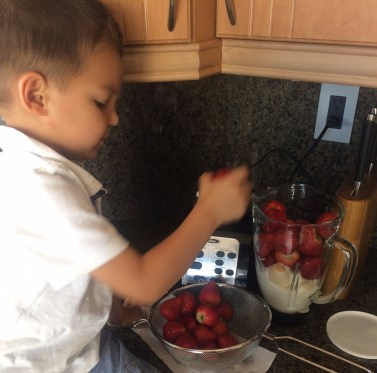
Personally, I love to experience cooking with my nephew, he gets excited to see what colors and tastes will be part of the treats we do together. It is a fun and bonding experience that I hope he can extend to his own family when he grows up.


IMG_3623

If you like this blog, share it and let me know what you think on my Facebook page. Alternatively, you can follow me on my website.

Hasta pronto!


References
[1] James McNeil quoted in Horovitz, B. (2006, November 22). Six Strategies Marketers use to Make Kids Want Things Bad. USA Today, p. 1B. Retrieved March 2, 2008, fromhttp://www.usatoday.com/money/advertising/2006-11-21-toy-strategies-usat…
[2] Schor, J. (2004). Born to Buy: The Commercialized Child and the New Consumer Culture. New York: Scribner, p. 21.