The Powerhouse inside us

Hi there my friends!

Remember my blog about Gut Health? I find this topic fascinating because there is a lot that we still don’t know about the benefits of looking after our microbiome. If you don’t know what I mean by microbiome, I recommend reading that blog so you are fully connected to what I am about to share here.

Basically, our microbiome (The community of good and bad bacteria living in our gastro intestinal tract) is like the Amazon jungle: diverse but also vulnerable if we don’t care for it, as we should.

In order for human beings to have optimal health, we need to protect the diversity of the microbiome. These tiny critters are essential to our wellbeing. I think I can predict what you are thinking: she is talking about eating healthy to avoid overweight and digestive issues. Well, there is a little of that but there is so much more to it.

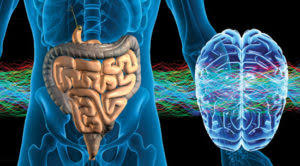
Numerous studies show us the connection between our gut and the neurological, and immunological system as well as the influence of the microbiome on gene expression and the most obvious, the role in the absorption of nutrients for proper body functioning.

I want to focus on the first three connections because I feel there isn’t enough information available (unless you really look for it) and I am sure you can learn something new today.
images-1

Photo by Regeneratemagazine.com

Connection of the gut with the neurological system

Different research studies and medical journals demonstrate the connection between our healthy bacteria and the brain. In fact, neurotransmitters like serotonin and dopamine are actually manufactured in the gut. Serotonin is used inside the brain and it affects our mood, social behaviour, appetite, sleep, memory and sexual function. Lack of serotonin leads to depression, anxiety, autism, schizophrenia among others. On the other hand, dopamine, being another messenger in the brain, is involved with many activities such as behaviour patterns, mood swings, learning, motivational factors (reward and reinforcement). When we lack dopamine diseases like Parkinson’s, schizophrenia and ADHD are more likely to happen.

For more information on this subject, click here.
images-2

Photo by Gutmicrobiotaforhealth.com

Connection of the Gut with the immunological system

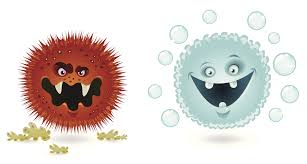
Did you know that feeding your good bacteria is the key to fight diseases? And did you know that 80% of your immune system is located in your gut? I bet you didn’t, but it’s absolutely true. Everyday, there are more studies that show that all diseases originate in the digestive system and it all starts with inflammation in the gut. Inflammation happens every time we eat the wrong stuff (fried foods, processed foods, foods with additives and hormones, refined sugars). You can live many years with inflammation and don’t realize it and before you know it, disease is already living in your body. Our good bacteria decreases every time we eat the wrong foods and the only way we can support it (so they can fight the bad bacteria and we avoid diseases) is to feed it with real nutrients.

For more information on this topic click here.

Lastly, we have the connection between the gut and our genes. Amazingly, the microbiome communicates constantly with our genes and it has the power to transform them. Our metabolic responses are affected by this relationship in the sense that if we do the “right things” we will help to transform that gene expression into a positive one and therefore, we will be healthy and happy. On the contrary, if we continue living with bad habits, eating unhealthy, encouraging high stress and lack of physical activity, we will communicate this to our genes instead.

So the question is: what can we do to make it easier for our neurotransmitters to do their job properly? How can we avoid getting sick?

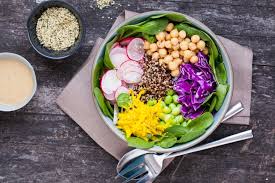
The answer my friends is very simple: eat a diet rich in vegetables, fruits, whole foods and clean proteins. Easy, right?
images-3

Photo by Wellandgood.com

Not only that, for those who are already showing signs of diseases, an elimination diet or fasting can help your body heal and reset. (I plan to write a blog about this soon)  Something you can start practicing now is mindful eating: chewing enough, finding the space to nourish yourself with respect and love for your body and of course eating healthy food.

My opinion is that changes are easy to integrate when you are aware of the connections inside our body as well as those in the outside world. Everything affects our wellbeing: the food we eat, the lifestyle we choose, the relationships we cultivate, our connection with ourselves and also with our microbiome.

I trust this blog inspires you to find out more information and start implementing changes in your diet. If you need help, let me know and I will happily assist you.


As usual, don’t forget to share, this information is useful for everyone.


Bear hugs!



Interview with Dr. Pamela Popper

Highlights of the interview with Dr. Pamela Popper author of the book “Food as Medicine”

imgres-1

There are lots and lots of books related to health and dieting but there are a few authors who have the courage to say things as they really are. What do I mean by that? Doctors who publically raise the issue that the health system in the United States is not a health system but a sick system considering the influence of the food and pharmaceutical industries in our decision making, food politics and lack of clear information to consumers like you and me. This is the reason I got interested in Dr. Pamela Popper.

I first heard about Dr. Popper watching the documentary “Food Choices” and later on I read her book “Food as Medicine” where she talks about these specific aspects: food as a way to avoid diseases, over medication and lack of honest information for consumers. So to make the story short, I had the incredible opportunity to interview Dr. Popper and ask her about specific parts of her book which now I can share with you. The full interview was 40 mins so I decided to summarize the session and show you the highlights. Everything I write and share is with a high dose of love and dedication so I hope you find it useful.

MXO: Dr. Popper you are an advocate for a plant based diet. Can you briefly, in layman terms, explain why you recommend this diet?

Dr.Popper: Well, there are two major  examples to show why this diet is the best for humans. The first thing is that if you look around the world, there are still a few places left where the diabetes rate, cancer rate, heart diseases rate are very low, and these people eat a plant-based diet, and this should be a clue. I mean our health statistics in the United States are terrible, we are eating a diet that is comprised of animal foods and processed foods so that is a clue. Another very significant clue we have is a growing number of studies where using a plant-based diet has shown to stop the progression of or reverse conditions like diabetes, coronary artery disease, even some cancers, so between those two we have a pretty powerful case we can make for eating a plant based diet.

MXO: What do think about animal protein? Do we really need it?

Dr. Popper: There are economical reasons throughout history to explain why eating animal protein became popular. In wealthy areas, people would eat more and more animal foods, and it was considered the food of rich people which many aspires to. And it’s an honest inverse relation between the increase of animal food intake and the health status which goes down at the same time, so that is what’s actually happening. We have been told that we need animal protein and this is mythology. My take is that there is no compelling reason to include it in the diet. For people like me who don’t eat any of it, I am not missing out on something, I am not going to be deficient in anything. For people who insist that they must have some, then at least limit it to the amount that is eaten by people who live in areas of the world where they have significantly better health.

MXO: Moving away from animal protein also means we need to bring more variety of food in our plate. What can you advise people to start diversifying their foods?

Dr. Popper: I have a lot of clients is my wellness center who are picky eaters and what I tell them is that variety is a luxury of western civilization. The story of a specific person comes to me, a guy who had very compelling medical reason to change his diet, he was scared to death. Right away he said to me “I don’t like the food that you eat” however, I am willing to do it. So I said to him “every so often I would like you to try something that is just new”, we went through the foods that he likes (that are healthy) and he started adding new ones every now and then. Last time I saw him he said “Guess what? I ate kohlrabi” and I thought, now he is getting adventurous! I can see that giving him a comfort zone to start from and get more adventurous later on was the way to go.

I also tell people they need to have this visualization in your head, when you go into the grocery store, farmer’s market or whatever, I want you to think about food as drugs as my book Food over Medicine like this: There are some vegetables that are called cruciferous vegetables, I want to choose a couple of those “drugs”, there’s a class of fruits called stone fruits, so pick some of those “drugs” too (peaches, cherries), then we have leafy greens, this one is a great set of drugs too, tubers, etc. When you start seeing these foods as foods that can heal your body, and maintain your body, this will make a huge difference.

MXO: Let’s talk about over testing and overmedication. You mentioned in the book that many times patients are asked to get a lot of unnecessary tests that can actually cause health problems such as infections or simply create unnecessary panic. What would you recommend to people when they are faced with this situation?

Dr. Popper: Well, unless it is an emergency, If I was in a car accident and I am bleeding, I don’t want a bake potatoe and a copy of the China Study (Study about effects of nutrition in health), I want to be taken to a hospital and get the best of western medicine: anesthesia, drugs, surgery, anything that is required. Most of the time medicine is about sitting in a doctor’s office and been told to take this drug, do this treatment, get this test, so the answer (from consumers) should be “that’s an interesting idea, I want to research about this information you are giving me so please provide me with information sources that back up what you are advising me to do. Once I review it I will come back to you with my decision”. Medicine should not be about a patient agreeing to anything the doctors says, we need to ask ourselves: what are the side effects of taking the drugs or having a test done? Will the testing reduce my risk of dying? If the answer is no, then don’t do it. Basically, assess the risks and the benefits of doing what the doctor is advising. If you buy a house in this country, you make sure you understand all the details of the house and the commitment you are getting yourself into. It should be the same approach.

MXO: How can health coaches work together with medical professionals to improve the health of the population?

Dr. Popper: There are good medical professionals who are out there and take their profession very seriously. Some even take nutrition classes which is great. What health coaches can do is to empower the patients, prepare them to have a real conversation with their doctor, to help them look at everything: is this a good idea or a bad idea? ask more questions and take control of the situation.

Health coaches can help educate consumers and guide people through habit change in a way it is sustainable and lasting.

I am grateful that I had the chance to talk with Dr.Popper and be able to share valuable information with all of you. If you want to learn more about her work visit her websites: http://drpampopper.com/ , http://wellnessforumhealth.com/about/dr-pamela-popper/ .


Hasta la proxima!