Can you be healthy during Christmas season?

imgres-1

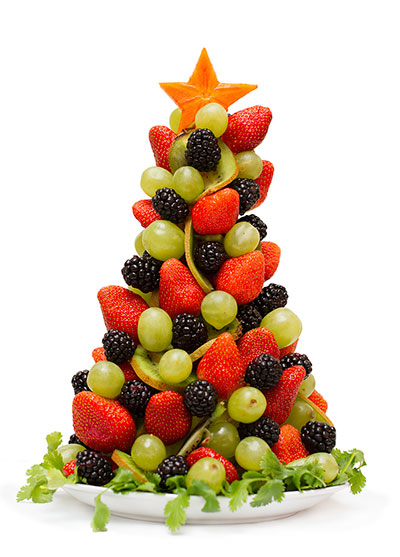
Photo by dienut.com

Christmas is here my dear friends!

I think most of us love this time of the year, family time, vacations, traveling, celebrations filled with food and drinks, late nights, presents, what’s not to like? In our minds, we have all the best reasons to let it go because next year, (about 30 days away) we will set our resolutions and get serious again. So basically this is the month to indulge because the year it’s almost over. Ok, I get it, we work hard through the year and we feel we deserve to have some fun. I am with you, I also want to have fun, I enjoy christmas cake, drinking wine and having long christmas lunches filled with friends and family. But I have to admit that it’s more fun when I know I don’t feel guilty for exceeding myself.

It must be “wisdom” (not age) that I recognize that overeating without any physical activity just doesn’t work for me. I will indulge with some favorite foods and cocktails but keeping active is part of my life routine and this needs to remain so that I am able to navigate better all the social activities at the end of the year. Keeping active helps me with digestion, have the stamina to do all my christmas shores (decorate the apartment, prepare foods, go shopping, pack presents), and more importantly it fills me with energy to finish the year on a high note.

Personally I apply the 80/20 rule: 80% of the time I follow a healthy routine and 20% and indulge with my favorite poisons (Tito’s vodka with soda and a dash of cranberry juice, mulled wine and of course the amazing christmas cake). Having set my boundaries, makes it easier to be guilt free, work consistently 80% and enjoy to the fullest my 20% playtime.

healthy-christmas-treats-5

Someone told me not long ago that moderation is the key to keep balance but my opinion is that moderation has a different meaning for everyone. If you eat chocolates everyday (say a small portion after dinner) and during Christmas you decide to eat the box of truffles your neighbor gave you in one hit, in your mind it’s ok because you think you are being moderate. However, if you compared to someone who eats chocolates as a treat only the weekends and then gorges that same box of truffles, this can be seemed as going a bit too far. So my suggestion for all of you ladies and also gents  (because we all tend to do the same) is to keep active and create a rule that works for you to not lose track and avoid starting the year feeling sluggish and overweight. But be real, don’t cheat yourself with a 80/20 rule that looks more like a 50/50 rule.

Life is short and we should enjoy it, I am totally in for that, I am not a slave of my body or keeping appearances but I do believe in listening to my body, I believe in the power of food to energize me, in the benefits of physical activity and more importantly in keeping balance. Because who wants to be fatigued and gain unnecessary weight? Who wants to start the year tired? I have a feeling you don’t. But just in case this happens, I can help you get in the right track.

I am exploring recipes for this holidays season to give you some ideas so that you eat less processed sugars and unhealthy fats and instead you keep nourishing your body the right way: with good food and love.  


Stay tuned my friends!


Bear christmas hugs,


Xime


Gut health

images-1

If someone told you the food you eat not only nourishes you but also the 100 trillion bacteria, fungi, and viruses that live inside your body, do you think you will eat differently?

I mean, they are only small right? With the knowledge you have right now, what is your gut feeling about the best or worse food for your bacteria? And does it really matter anyway? After researching on this topic, and trust me, I am only scratching the surface here, there is a lot we need to learn about the way our critters live and nourish from us. Why? Because their health is crucial for our own health.

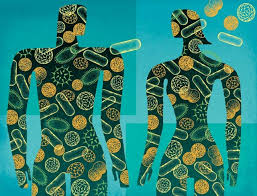
Research shows that we have about 100 trillion bacteria living in our bodies. Did you know that these bacteria outnumber your body cells by 10 to 1? I didn’t. This means we basically are a hybrid being: half human (or probably less than half) + microbiome.

To start this topic, it is crucial to understand the concept of the microbiome, and I will explain it in simple words. The microbiome is a community of microbes that live in our body, however, the biggest colony is in our GI tract. We start building microbiome the moment we are born when we exit our mother’s body either through natural birth or cesarean and also through breastfeeding. As years passed and we keep growing, our microbiome also grows and diversifies. It feeds on the food and the environment we live in. There are many research studies that show that the health of the microbiome contributes to our health in many ways: control mood swings, brain fog, fight auto immune diseases, absorb nutrients and reduce or increase the incidence of chronic diseases such as diabetes 1 and 2, obesity, arthritis, heart and brain diseases.

images-2

I must admit I had no idea we had so many critters living in our guts. It almost sounded like a science fiction movie, if you think of the 100 trillion bacteria that live inside our bodies and the fact they communicate with our genes it’s amazing. At the same time, realizing the connection between our brain, nervous system and microbes is mindblowing.  So considering the microbiome has the power to drive our genetic expression, (meaning they can turn on or off certain genes that can cause diseases) I think it’s very important that we learn how to nourish ourselves and our community of microbes. What research studies show us is that we need to diversify the bacteria in our bodies because it will help us fight diseases in a more efficient way.

I dare to say the general understanding on bacteria goes like this: we all have good and bad bacteria. When we take antibiotics, we kill good and bad bacteria, which is why we take probiotics to help rebuild the good bacteria. However, as I learn more about this topic, I realized that our gut health goes far beyond the standard media recommendations to focus on probiotics as a way to maintain gut health.

Not surprisingly, there are certain foods that our bad bacteria love and others that our good bacteria need in order to maintain good health. There is a constant battle for power between good and bad bacteria so we need to identify the foods that help good bacteria to succeed.

Let’s go over them.

Recommended foods:

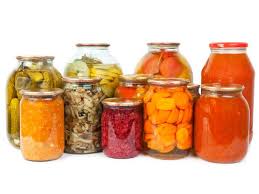
  • Fermented foods like yogurt, fermented vegetables, and kombucha. Check out this link for more information on fermented vegetables. http://articles.mercola.com/fermented-foods.aspx
  • Polyphenol rich foods like blueberries, raw cacao, broccoli and green tea.
  • Plant –based foods add fiber to our diet, which prevents bacteria from eating the mucus in your intestines. This is clearly explained by Dr. Mercola in his blog. I became a fan of Dr. Joseph Mercola because of his extensive work to create more educated consumers and patients. imgres-3

Also, it’s important to add a variety of foods. Research studies show that 75% of the standard western diet is based on 12 plants and 5 animal species. [1] So, in regards to taking probiotics, of course, they help our gut health but food is a stronger influence in terms of long lasting results.

Now, let’s go over the not so recommended foods:imgres-5

  • Fat and  Sugary processed foods – These are huge disruptors of microbial balance. Bad bacteria love sugar (and fat). The more we eat it, the more bad bacteria grow while good bacteria decrease in number. When this happens, we decrease our ability to fight diseases.
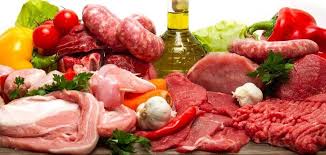
  • Conventionally raised animals (and its products) – Due to the antibiotics they are fed while raised.
  • Antibiotics – It is best to avoid them unless you really need to take them for medical reasons. 

If you compare this information to that shared previously in my blogs it all seems to head in the same direction. The best options to keep healthy are foods in their natural form (not processed), fresh, whole and organic.

I found this video, which gives a short but complete picture of how the microbiome world works inside us. You might want to look at it and while you do it, you can share it with everyone you care for. https://www.youtube.com/watch?v=1sISguPDlhY

Becoming a conscious consumer is something attainable. Trust me, it is not that difficult, if you are reading this, you are already on the right path. So keep tuned and stay connected.

What’s your gut feeling after reading this? I would love to hear from you!


Hasta pronto!


[1]Molecular Metabolism 2016 Mar 5;5(5): 317-20


Healthy holidays

imgres

Traveling is something that many of us love to do, especially if it is a holiday. If someone asked me to choose between traveling to a new place and the latest Channel handbag, I would definitely go for the trip. The thought of breathing a different air and exploring other cultures is the most exciting thing for me. Even going back to my home country, which I am lucky enough to visit a few times a year it’s always a great feeling. And of course, with the change of scenery comes a change in food. In my case, I get excited when I know I am going to find different food and flavors. Everywhere I have been, I make an effort to try something local and go to the market and see what people shop and indulge. In most cases, I find something that resonates with me: cactus salad (or nopal as it’s called in Mexico), Lebanese vegetable moussaka, Peruvian ceviche, Ajiaco.

But what happens when you know the food options are not going to be that appealing? Or maybe they are appealing just not too healthy. What do you do? You want to keep a balance: enjoy the trip, enjoy the food, avoid getting sick by eating too much of something you are not used to, keep hydrated (not with beer, this doesn’t count), stay active and at the same time be adventurous and try new foods ( wow…it already sounds like a lot of work and you are supposed to be doing this for fun!)

So what do we do? We don’t want to be the picky eater that no one wants to hang out with but at the same time you also want to keep balance and feel good while you are on a holiday.

imgres-1

I used to do a lot traveling when I had a corporate job and for me, it was always a struggle to keep balance, holidays were no different. However, there are certain tips that I apply when I travel and they make my life easier when I am away from home. I want to share them with you because at some point you can find yourself in a situation where you feel so out of balance that it can potentially spoil your holiday.

  • Food-kit

If you know there are some items that will be very hard to find where you go, always bring some with you. I normally carry green tea bags, a small bag of flax seeds (to keep my bowels moving) and dark chocolate. I am not a coffee drinker so green tea is a must. You can take it in a small zip log bag and that’s it. Be practical; take just enough for the days you will be traveling.

  • Baking soda

This is a very inexpensive product that is great for many things but the way I use it when traveling is to ease stomach pain when you have indigestion, bloating or gas. It also helps to soothe bug bites. Create a paste with a little bit of water and apply it on the bug bites, it will help to reduce itching.

  • Drink plenty of purified water (no tap water)

It sounds pretty obvious but many people don’t drink enough water as it is. When we are on a holiday we tend to drink more alcoholic drinks and food is quite different, which creates an imbalance in your diet. Lack of water can cause indigestion and dehydration so drinking water will help to recover from a hung over and keep your bowels moving to flush out anything that is not supposed to be inside your body.

  • Keep active

Staying by the pool or the beach and drink cocktails all afternoon is super fun, but make an effort to have a couple of days where there is some physical activity involved. Eating and drinking are fun, especially if you are with friends and family but find activities (or let your husband or friends do it for you) where you will be moving: walking, sight seeing, biking, dancing, anything that gets you moving. If you are an active person like I am, your body actually tells you that you need some activity. I personally take a skipping rope and check some online workouts and make sure I work out at least 30 mins a day (if I know I won’t be doing much physical activity). It helps me to sleep better and to digest food better.

imgres-2

  • Pool healthy snacks

Snacks come in many forms but why not making popcorn and flavor it with lime and chili powder? (Check these recipes http://www.jollytime.com/popcorn-recipes/healthy

It’s a healthier option than eating chips. Also, you can chop some seasonal fruit and place it in the fridge. You know it will be available anytime you or your family feel like a little something sweet.

  • Indulgence management

If you are like me, who loves sweet stuff, my best way to keep it under control is not to buy anything that is loaded with sugar. Instead, I buy fruit that is sweet and I manage my cravings that way (cherries, mangoes) or I get my dark chocolate bar from my bag and that’s it. Another method that may work (this one is a bit tricky) is to share it with someone who is also mindful of his or her weight and health. When you split a cake 2 or 3 ways it’s less sugar and fat you are eating in one hit. (The downside is that you will need a partner in crime for this last one, I have a couple around)

images

  • Be both moderate and bold

If you are trying new food, just be aware that it’s new and your body will inevitably react to it. This is when you want to be moderate and eat small portions, wait until next day to see how you feel. What’s the point in overdoing it and later feel sick? On the other hand, be bold to discover different cooking methods and flavors, there is always something new you can learn from other cultures or your own friends and family that you can apply in your own kitchen. (Obviously, I am referring to healthy habits, not bad ones)

Overall, I would say the best way to keep balance while traveling is to be open to new flavors and ways of eating, but also be mindful about the options that are presented to you and don’t feel guilty if you didn’t stick to your healthy diet every day. If you decide to have that piece of cake, enjoy it with pleasure, focus all your attention on that moment, chew it slowly, savor every bite and make it worth. You know it is a treat and so be grateful for that moment, no guilt whatsoever. Next day you can focus on choosing healthier options.

If you have any tips you want to share with me, don’t be shy and leave a comment. I would LOVE to hear from you.


Besos a todos!

Optimal nutrition: Plant-based protein

images-3

For many years I have heard that the best approach to have a balanced diet is to eat less carbs and more protein. I believe I am not the only one who heard this. In fact, there is a lot of information online that swear by it. I have never followed a specific diet but I am mindful about including complex carbs and protein in my diet, mostly animal protein. (Until a few months ago that I started making some changes) As I am digging deeper into the best ways to keep myself energized, healthy and fit, I keep finding information that leads to the same conclusion: a plant-based diet is the most recommended diet for long-lasting health. It is also rich in proteins so there is no reason why we should believe the best way to nourish our bodies is by only eating animal protein (red meats, poultry, fish, eggs, and dairy).

Another point we need to consider is that we all have different nutritional needs. (Different protein needs for women, men, children, babies) Lifestyle choices also play an important part: if you work out or intend to lose weight or you are a couch potato will also determine how much protein you need. At the end of the day, optimal nutrition is about keeping balance.

Ok, so all this information is clear. However, when I kept searching trustworthy sources to determine if we are actually eating too much protein or not, it got quite confusing. In some articles and studies, it says we need to eat more protein and on the other hand, there are others that say we eat more than enough protein. So whom do you believe?
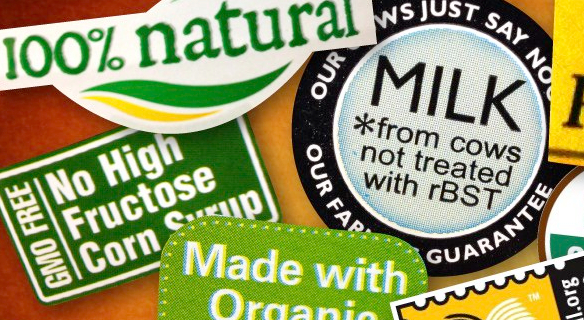
 

clean_labels_1

I guess the simple answer is that it depends on who pays for the studies and publishes information. Unfortunately, there is a lot of advertising (hidden in the form of research studies published in fancy health magazines and the sort) that lead us to believe we need a lot of animal protein. Don’t get me wrong, of course we need protein, they are the basic blocks of life. We need it to repair cells and make new ones apart from growth and development functions. But animal protein is not the only and best source available. In fact, animal protein has been linked to increasing cholesterol levels (due to saturated fats), inflammation at a cellular level, proliferation of cancer cells, diabetes and kidney issues apart from the fact that it doesn’t add any fiber to our diet.

A healthier alternative? Plant-based protein. Not only will you get protein but fiber that is so much-needed for proper body functioning. In the western diet, it is more common to get less fiber and more protein, so if you are concerned about not getting enough protein, maybe you should be more concerned about fiber + protein instead.

I would like to recommend some options (some of you might already know) to include in your weekly meals so that you give your body a break from animal protein. Doing so will also help you knock out some of the saturated fat.
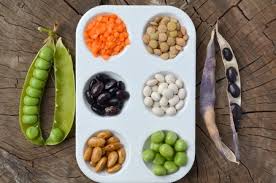
images-11. Beans

Being Colombian, this is my first choice. (I am already experimenting cooking a healthy version of Bandeja Paisa without chicharron and chorizo of course). There are so many varieties of beans (kidney, green beans, chickpeas, lentils, and more). They are high in fiber so they keep you full for longer, and each of them has their own benefits for our health:

Lentils – Great to fight cancer cells. They are packed with folate and magnesium. Excellent to prevent heart disease.

Kidney beans – Packed with antioxidants and omega 3’s polyunsaturated fatty acids. It helps to protect against Alzheimer’s disease.

Black beans – Full of anthocyanin that help protect brain function.

Chickpeas – High in fiber which helps to improve blood sugar, lipids and insulin levels.

There are so many more, so dare to try different kinds.

2. Quinoa

One of my favorites. I used to eat white rice and since I discovered quinoa it was pretty much love at first sight. It’s a gluten-free grain (technically is a seed) high in protein that is also used as a carbohydrate, it’s full of fiber and its one of the few foods that contain the nine essential amino acids. I eat it at least twice a week, it’s cooked pretty much like white rice and you can flavor it any way you wish. It goes great in salads, soups as a side dish or you can eat as cereal. There are different types; I prefer the white and red quinoa. It has become trendy in the last few years but it has been around for many, many years.

3. Nutritional Yeast

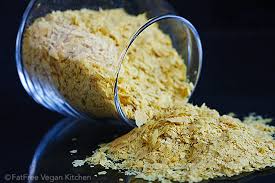
This one is a newcomer for me. Apart from its protein content, it’s also packed with B vitamins. It is an inactive form of yeast and comes as flakes. Normally it’s mixed with water or almond milk and mashed nuts and it has a nutty cheese flavor. This is the vegan version of a cheese sauce. I recently made a batch of this and I am getting used to the flavor. Some people like to sprinkle it on salads pasta and rice dishes.
imgres-1

4. Nuts

Who doesn’t like nuts? Not only they are full of protein, they are also rich in minerals, vitamin E and healthy fats. You can eat them in granola bars, spread them in a toast (almond or peanut butter), and sprinkle over granola, rice dishes or salads.

5. Tempeh

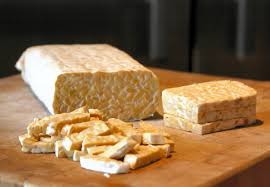
Also a new one for me. This is a fermented soy-based product originally from Indonesia (similar to tofu) that is full of calcium as well as manganese, copper, phosphorus and vitamin B2. There is controversy around soy-based products because in the US many of these products are highly processed and the soybeans have been genetically modified. Tempeh is produced with significantly less processing so it’s a safe and healthy option. It helps to reduce cholesterol and fight cancer cells. It can be stir-fried, baked, pan-fried or eaten raw. For more information on this topic, I recommend you read Dr. Mark Hyman’s blog. I have already mentioned Dr. Hyman in a previous blog. His comments on the numerous studies on soy (organic and processed) are eye-opening for those who have doubts.
imgres

I am currently experimenting with all these ingredients and of course, it is a bit intimidating to cook with new ingredients but so far is going well. Even my meat-eater husband is eating them, (in small bits of course).

Personally, I find these options fill me up with good energy to work out and function through the day. I am not ready to become a vegetarian or vegan (yet) but I must admit that I am feeling amazing. My digestion has improved significantly, my energy levels are up and I feel I am even losing weight.

If you want to learn more about the benefits of a plant-based diet and how it relates to better health, I totally recommend MD. Neil Barnard. He is also the president of the Physicians Committee for Responsible Medicine and has done lots of studies about health and nutrition.

My take? Aim for 3 days of animal protein + 4 days of plant-based protein for a week and see how you feel and when you choose animal protein, make sure is of good quality (grass-fed, organic and responsibly raised).

We are all different and what works for one person might not necessarily work for another, so it’s important to keep this in mind as we dare to diversify our food sources.

This is all for now, don’t forget to follow me on Facebook or Instagram to see some of the meals I am cooking and if you are trying new recipes please share I would love to hear from you.


Happy week!



Sweetened or unsweetened?

images

By no means this is a reflection of my music preferences, but I am very sure you have heard this song at least once in your life: “Sugar..oh honey honey, you are my candy girl and you got me wanting you..” (By The Archies and the Spanish version is sang by Magneto and Mercurio, look for it on Youtube just to refresh your memory, yes I know is a cheesy song). Have you noticed all the songs and expressions used worldwide that have to do with sugar? (sweetheart, honey, sugar daddy, sweet revenge) Even better, do you realized that as human beings when we wish to celebrate or cheer someone up or say I am sorry, we tend to choose sugary foods to show our appreciation, love, and care for others? When I was little, I remember when my dad used to take us for ice cream and it was a real treat (even if you knew that he could easily be tempted to bite your popsicle once he was done with his own). It seems like all through our lives sugar has been a silent close companion, it’s always there to make us happy and make everything better. However, we know it’s the cause of many diseases: obesity, heart disease, diabetes and attention disorders in children among other health issues.

So if we know how harmful it is for us, why is it that we eat it so much?

images-26

Because in the society that we live in, it’s very hard to ignore it. We are constantly bombarded with savvy marketing campaigns and advertising that entice us to eat and indulge in it. Also the fact that we have lived eating sugar throughout our lives (birthdays, Christmas, weddings, valentines and the list goes on and on) it makes it almost impossible to be sugar-free or let’s just say moderate. In the United States, companies spend $17 billion annually marketing to children[1], a staggering increase from the $100 million spent in 1983.[2] Even when taking into account the net present value of $100 million over 34 years, it still equates to a 300% increase in Marketing.  Companies know that by “investing” early in the young consumers, it will create adults that will be hooked on their products from an early age. That’s’ a smart strategy. It’s not a surprise that in this country children obesity is an epidemic. And let’s not forget that about 40% of the population in the US is considered obese. According to the WHO, in the world “in 2014 more than 1.9 billion adults 18 years of age and older were overweight and of these 600 million were obese.” (Clearly, fat foods also are an important factor)

On the other hand, we have our own habits that make it also hard to overcome. Personally, I have a sweet tooth (and my husband is even worse). It has been a constant battle because I know it’s not good for me, but at the same time, it makes me so happy when I have a brownie with vanilla ice cream! So difficult! (Why is it that we don’t crave spinach?) However, going through this path of becoming a healthier version of me, I discovered that I could do some changes to set myself for success.

What are the healthier alternatives?

  • Choose dark chocolate instead of milk chocolate (It was an acquired taste and I totally love dark chocolate now)
  • Choose honey, stevia or agave to sweeten my food. (Sugar is not welcomed in my home)
  • Buy more sweet fruits and veggies and experiment baking cookies, cakes and making ice cream
  • Eat more dry fruit (but be careful because some dry fruit are high in calories, when you buy them, look at the label and check the recommended portion size)

I think we can still enjoy the sweetness of what nature has for us with simple sugars instead of processed sugars.

Be mindful that sugar is not only present in cakes and candy, many processed foods are loaded with sugar (canned food, processed meats, dairy) so make sure you read the nutritional facts label to check the sugar content before you buy it.


images-21

Another great source of information is MD. Mark Hymann, the best-selling author, Director at the Cleveland Clinic Center for Functional Medicine, internationally recognized for his studies in childhood obesity and food addictions among other topics. He is well known and respected for his research about food addictions, especially to sugar. He explains there is evidence that sugar can be as addictive as heroin. When we eat sugary food, it leads to dopamine release associated with pleasure and reward in the brain. The more sugar we eat, the more tolerant we become. So with time, we need to eat more sugar to find pleasure. There is a lot of literature about this topic, so I encourage you to read and find more information on your own.

My recommendations above are only for the purpose of reducing consumption of processed sugars, so you need to be aware that even with these less processed options, moderation is the key. (I don’t treat myself every day because that means it’s not a treat) Sugar is hidden in many foods and drinks we consume so let’s be more conscious of what we put in our bodies and how we feed our families. Healthy snacks for kids and the family could be as simple as homemade fruit ice pops or oatmeal cookies. Kids can be enticed to eat certain foods but you are the one in control of the ship.


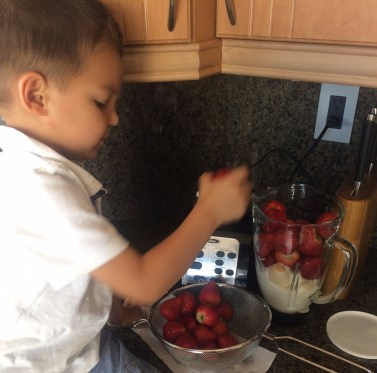
Personally, I love to experience cooking with my nephew, he gets excited to see what colors and tastes will be part of the treats we do together. It is a fun and bonding experience that I hope he can extend to his own family when he grows up.


IMG_3623

If you like this blog, share it and let me know what you think on my Facebook page. Alternatively, you can follow me on my website.

Hasta pronto!


References
[1] James McNeil quoted in Horovitz, B. (2006, November 22). Six Strategies Marketers use to Make Kids Want Things Bad. USA Today, p. 1B. Retrieved March 2, 2008, fromhttp://www.usatoday.com/money/advertising/2006-11-21-toy-strategies-usat…
[2] Schor, J. (2004). Born to Buy: The Commercialized Child and the New Consumer Culture. New York: Scribner, p. 21.


Is eating healthy really that expensive?

images-14

Last week I was having a conversation with someone I recently met and we were talking about healthy eating and the weekly food shopping. (For the record, she has 2 teenagers and a husband) We both agreed that we could definitely bring changes to our diets and implement them more effectively if we involve every member of the family in the process. However, I didn’t agree when she said, “eating healthy is expensive”. If you think eating healthy is achievable only by shopping at the Wholefoods, Fresh Market (or any other equivalent high-end market in other parts of the country or the world), then she might be right. I personally love both stores, there are quality meats, cheeses, vegetables and fruits (among other stuff) and everything looks and smells good. However, there are other options we should consider when we go shopping for healthy food. I want to share some of them here with you (and you can easily find them in local supermarkets).

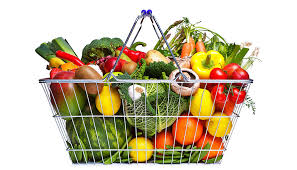
Buy seasonal fruit and veggies

imgres-2It sounds obvious but I don’t think many people realize that each season brings abundance of certain fruits and veggies compared to other months of the year. For example, in Miami, being the summer, there are lots of watermelons, mangoes and strawberries. Actually, I think we are blessed in this part of the US because we have a great variety of fruits and vegetables all year round. (Still some fruits are imported) However, for those who live in cooler areas or farther from the equator or in a remote island (I lived in Barbados so I can say this happens in the Caribbean islands) it’s crucial to understand what’s in season so you can buy fresh produce for a reasonable price. Most supermarkets and farmers will tell you what’s in season, normally the produce looks bright and beautiful, it has better flavour and it’s cheaper. Once you identify what you want to buy, plan meals around these food options. In some places, this approach to eating is called sustainable table. If you want to nourish yourself, your family and also care for the planet, this is great way to start. You will be happy to know you are supporting local farmers and you are creating a synchronicity with nature by eating what its offered to us in that specific time of the year.

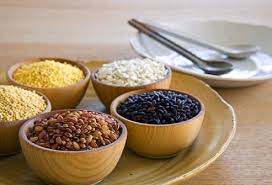
Experiment with grains

 When I was a little girl growing in Colombia, the main grain (and I ate it almost everyday) was white rice. To be fair with my parents, they also fed me oats, corn and barley soup. I only discovered whole grains in my late 20’s and even thenimages-13, I didn’t really eat whole grains. In my mind, they were only good if one was planning to loose weight (and I wasn’t) so I didn’t see the point in experimenting with these grains. Now that I am older and wiser, I realized I was missing out on the great benefits of grains. Yes, I know some people are gluten intolerant but not all of us are like that. If you are gluten intolerant, skip this section completely. But if you aren’t, grains are a great source of energy, they have been around for thousands of years (most ancient civilizations lived out of corn, quinoa, rice, among others) and they are not expensive. Of course, there are some that may be a bit more costly because they are imported but most of the time, they are reasonably priced. What type of grains? quinoa, amaranth (this one is gluten free), cornmeal, wild rice, brown rice, faro, barley, millet, there’s so many of them. As you embark in this journey, try different spices as well. Normally we tend to use the same spices again and again. Dare to be different, you will be surprised with what you can find.

Cook once eat twice

I am aware not many people enjoy cooking, so my advice is to cook more, divide into separate portions and freeze them. My husband, for example, loves his chilli con carne. When he is inspired to cook it (it takes him a good 2 hours in the kitchen, which he calmly manages with some cold beers) He cooks enough to make five or six portions so he can eat them whenever he pleases. In this way, you know your time in the kitchen is well worth the effort.

I hope with this information I can show you that it isn’t that expensive to eat healthy. Surely, organic is more costly but not every single item you buy has to be organic. If you can afford it, go for it, but if you cant, I still think its better to have a smoothie than a big mac meal. After all, its true that you are what you eat so don’t be easy or fake or cheap.

As I am exploring this path myself, I will also share recipes and tips along the way.

If you are already putting in practice any of these tips and it’s total success, please share it. I would love to know what you are doing.

Abrazos,