Is fasting right for me?

IMG_5571

One of the greatest pleasures for me and surely for many others, is traveling. Knowing other ways of life and exploring the way people in distant cultures relate to their environment, including ways of nourishing, is fascinating to me.

Even though there are many stories to share after traveling through 3 countries and around 15 cities or towns in almost a month, I’m going to focus on an experience I had that I’m sure may happen to others and it can be quite useful to have in hand.

As you can imagine, I applied all the recommendations and common sense to avoid getting sick in my belly since inevitably when the environment changes, our bioecosystem is also affected and digestion is the first aspect that shows. We only ate in known restaurants varieties of salads, and tagines of lamb or chicken with lemon or plums and more vegetables with couscous. (Tagine refers to a clay pot in which a animal protein, spices and vegetables are cooked. It is very common in North Africa and its widely popular and easy to find). Of course , I only drank bottled water without ice.

Anyone would think that when you eat like this for 8 days, there’s no reason to get sick. Right?

IMG_5966

Well, I thought the same until we had a long day traveling and I started feeling sick in my stomach, I was green, had diarrhea, abdominal pain, I was sweating, I felt weak and unhappy. I really did not understand what could have provoked that reaction, I concluded the  vegetables were not washed properly considering I took all the precautions.

This was the breaking point that made me decide to do intermitent fasting, which is what I plan to write about today. Intermittent fasting means not eating food (only water or herbal infusions) for a period of at least 12 hours. I fasted for periods of 12 to 15 hours alternating days and little by little I began to feel much better. (Always hydrating with mineral water and salts, of course)

There are different types of fasting: intermitent fasting for 12-16 hours a day a couple of days a week, calorie-restriction by eating only 500 calories per day (and fasting the rest of the day), 24 hour fasting 2 days of the week or more days.

Some people close to me, fast regularly obtaining good results and some others have asked me several times about this topic. This is the reason I decided its worth explaining the benefits of this practice and what needs to be considered before you attempt to fast.

What happens in the body when you fast?

  • Beneficial bacteria are radically improved in the intestine. Remember that the cells of the microorganisms that inhabit the gastrointestinal tract exceed the human cells in a ratio of 10 to 1. By strengthening the intestinal flora, the immune system is beefed up, mental clarity improves as well as energy levels and it is harder to get sick and to stay sick
  • Changes in metabolic function: By not having glucose (which is the main source of energy in the body), the body begins to burn fat cells as an alternative form of fuel. This means that it helps you lose weight
  • Reduction of cellular inflammation and reduction of free radicals
  • Longevity increases and incidence of diseases are reduced
  • Increase in insulin sensitivity

As you can see, it really has many benefits, I’m just mentioning the most important ones.

In any case, it is crucial that the following points are taken into account to obtain positive results.

Points to consider before fasting

  • Hydration is crucial and should be of good quality: mineral water, herbal infusions for example
  • If you suffer from eating disorders such as bulimia,  fasting is not recommended
  • Consume highly nutritious foods on non-fasting days that contain good quality protein (both vegetable and animal protein unless you are vegetarian), healthy fats (nuts, seeds, olives) and minimize carbohydrates
  • If you suffer from adrenal fatigue, diabetes 1 or hypothyroidism you should not fast because it may generate negative hormonal responses
  • You must have sleep cycles of 8 hours per night

As you can see, fasting is excellent but it is not for everyone. It is important to consider bioindividuality to determine if this option is feasable. Personally, it worked for me and it is very likely that I will do it more often.

As always, I hope this blog is useful and if so, do not forget to share it with everyone you care for.


Bear hugs!


Maria Ximena Ospina
Peligro!!! Te enfadas, huyes o te haces invisible?

imgres-1

Muchos sabemos que el estrés afecta la salud en general pero pienso que todavía nos falta entender y asimilar mejor cuales son los efectos de estar constantemente en este estado (de estrés) puesto que es uno de los grandes causantes de enfermedades degenerativas que afectan a la sociedad hoy en dia. Claramente, vivimos en un mundo donde cada vez es más aceptado vivir a medias. A que me refiero con esto?

A vivir cansados, corriendo de un lado a otro, sin energía, con problemas de sueño y digestión.

Y pasan los años y muchos siguen en este tren que solo trae infelicidad, frustración y problemas no solo de salud, también afectan nuestras relaciones interpersonales que hacen parte fundamental de nuestro entorno. En este blog, quiero enfocarme en las soluciones, porque las hay. Es cuestion de hacerlo de manera consciente y constante.

Así que hablemos del estrés y los procesos bioquímicos de una manera simple.  

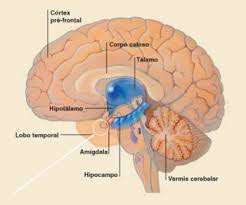
De los varios sistemas que tenemos los humanos, esta en sistema límbico, el cual gestiona respuestas fisiológicas a estímulos emocionales. El hipotálamo y la amígdala cerebral son órganos claves en el desencadenamiento de emociones en nuestro cuerpo.

Cuando la amígdala cerebral se activa, que es nuestro detector de peligro, crea desbalances en la corteza prefrontal del cerebro, la parte que nos permite aprender, tomar decisiones y dirigir la conducta. La amígdala cerebral es algo asi como nuestro botón de alarma interno que nos hace reaccionar al peligro. Nuestro cuerpo no sabe si el peligro está asociado con un tema de supervivencia (si un león nos esta persiguiendo y tenemos que huir como locos) o simplemente si es un disgusto (una discusión con nuestro jefe). El sistema nervioso simpático se enciende y se desencadena una serie de procesos bioquímicos en preparación a “luchar o huir”. Este es nuestro mecanismo de defensa interno primario.

images

Photo by autopsiareview.org

Una vez la amígdala está activada, la glándula pituitaria ordena a las cápsulas adrenales para que emitan adrenalina y cortisol, que son las hormonas del estrés. De aquí en adelante, el cuerpo se prepara para defenderse, por lo cual, se acelera el ritmo cardiaco, se inhiben los movimientos de contracción del estómago, se dilatan las pupilas, se dilatan los bronquios, y las glándulas sudoríparas. (además de otros procesos)

Según varios estudios científicos, en especial me estoy refiriendo a los analizados por el Dr. Mario Alonso Puig (de quien he hablado en varias ocasiones, quien admiro por sus conocimientos sobre comportamiento humano y neurociencia) está demostrado que  mindfulness o la autoconciencia, (desarrollada por medio de la práctica de la meditación), aumenta el tamaño del hipotálamo lo que hace que seamos menos reactivos y podamos regular mejor nuestro estado emocional.  

Igualmente está comprobado, que la actividad física es de gran ayuda para activar nuestro sistema nervioso parasimpático, que es el que nos permite ahorrar energía, recobrar las funciones normales del organismo, pensar y actuar con claridad, y vivir de manera calmada. Ambos sistemas: simpático y parasimpático trabajan en conjunto y nosotros podemos ayudar sus procesos para vivir una vida más plena con nuestros hábitos.

Cultivando nuestros hábitos

images-1

photo by lamenteesmaravillosa.com

La meditación y la actividad física son realmente las soluciones más claras y contundentes.

La meditación hace que podamos modular las reacciones químicas que activan la amígdala cerebral haciendo que seamos menos reactivos. Aceptamos amablemente nuestras emociones y sensaciones y las vemos por lo que son. Sin juicios ni apegos. Aprendemos a dejarlas ir lo que quiere decir que no las guardamos en nuestro organismo como elementos tóxicos. (Que luego nos causan enfermedades como la depresión, fibromialgia, enfermedades digestivas y cardiacas). Les comparto este video del Dr. Mario Alonso Puig para ahondar más en este tema.

Por otro lado, la actividad física aumenta la función cerebral haciendo que mejore la memoria, la capacidad para aprender y oxigenación del cerebro, creación y conexión de las neuronas. Además, a nivel hormonal, las endorfinas, serotonina y dopamina se disparan generando sensaciones de bienestar, calma, alegría y hasta euforia.


Como le dije antes, las soluciones existen y no cuestan dinero ni tratamientos largos, con solo implementar estos dos hábitos en tu vida además de una dieta sana, estaras feliz como una lombriz por mucho tiempo.

Espero hayas aprendido algo nuevo y sobretodo te ayude a ver este tema con otros ojos. Recuerda que siempre se puede cambiar para mejorar.

No olvides compartir este mensaje y darme tus comentarios. Me encantaria saber tu opinión.


Un abrazo grande!