Integrating mind and body

images-1


Hi there my friends,

As you know, my interest is to motivate, educate and, above all, raise awareness to create well-being at all levels. Physical nutrition, (by physical I refer to food), is crucial to have optimal levels of energy and prevent disease. Clearly, nobody wants to be sick. However, physical food is not everything. Drinking smoothies and becoming vegan is not enough if one doesnt cultivate self-awareness (Mindfulness). And how hard it is to practice it every day! The good news is that it is not impossible, we all have the capacity to observe ourselves inwardly and give a name to those tendencies that we have, which lead us to act in a certain way (sometimes constructively and others destructively).

Only when this exercise of self-awareness is done constantly, it is possible to redirect attention in such a way that it helps us to live a life with plenitude and well-being.

Photo by geocities.ws

Some people might think “why are you writing about this topic that has nothing to do with food?” I can say that it has EVERYTHING to do with food. An anti-inflammatory diet is excellent, it will contribute tremendously to improve health but if that person has a negative perception about himself, has low self-esteem and feels lonely, it is very likely that the changes in diet are not entirely effective. The connection between body, mind and spirit is very close, therefore it is necessary to pay attention and cultivate every aspect. Many scientific studies show that problems such as anxiety, chronic pain and depression are curable when a higher level of consciousness develops.

So, friends, this blog is an invitation to self-observation.

In this path of getting out of the usual “autopilot” mode in which we live, I am very interested in what we are taught by experts in mindfulness and neuro-codification. So I’m going to share these authors because I want you to investigate on your own. Do not even believe what I write, I simply wish to encourage you to open your mind so that you can expand your consciousness and thus achieve the fullness and wellbeing that we want so much. (I clarify that I have no relationship with these authors, nor do I get benefits for naming them)

Photo by goodreads.com


“If you increase consciousness, changes come alone”

Jon Kabat -Zinn


Jon Kabat-Zinn – American professor of medicine and molecular biologist, considered as the father of mindfulness, affirms that through mindfulness, (through Zen meditation) it is possible to restore corporal and mental balance creating well-being. The active observation of the present moment without judgments is transformative, it has the ability to change our brain, to expand memory, to increase learning capacity and to manage stress by favorably affecting the amygdala in the brain (which is the internal alarm button that produces stress ). Check out this article and this video.

This topic is closely related to epigenetics which refers to the study of all non-genetic factors that regulate gene expression without altering the DNA sequence. Dr. Nathalie Zammateo, – Belgian Biological Sciences PhD- wrote a book called The Impact of Emotions on DNA, which I think is very interesting because it talks about DNA being information, with millions of neurotransmitters communicating with each other. The activity of these neurotransmitters is affected by the environment and part of the environment are emotions. When emotions are managed (through self-consciousness) it is possible to generate emotional health which is reflected in physical health.

imgres

Every day, there are more scientific studies and more evidence that shows that the mind has an incredible power over health, thoughts whatever they are, generate emotions and when these are very intense and negative they also make us sick and take us off balance.

The Solution?

I have already said it in other blogs and I will continue saying: meditation is a great tool and for this there is a lot of information on YouTube where you can find guided meditations, music to meditate, yoga and many options for everyone.

Stop making excuses for not paying attention, changes start from the inside out and each one of us has the tools to achieve a better version. So I encourage you to get focused. If you need professional help, I am available to device a personalized plan for you.

Namaste!

Maria Ximena Ospina

 

Do you get angry, run away or become invisible?

images-2Many of us know that stress affects health in general but I think we still need to understand and assimilate better what are the effects of being constantly in this state (of stress) since it is one of the main causes of degenerative diseases that affect society nowadays. Clearly, we live in a world where it is increasingly accepted to live half-heartedly. What do I mean by this?

To live tired, running from one side to another, without energy, with sleep and digestion issues.

Years go by and many people continue living this way, which only brings unhappiness, frustration and health problems not to mention the effect on our personal relationships. In this blog, I want to focus on the solutions, because there are solutions. It is a question of doing it consciously and constantly and patiently.

So let’s talk about stress and biochemical processes in a simple way.

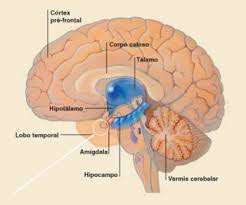
Of the various systems that humans have, it is the limbic system, which manages physiological responses to emotional stimuli. The hypothalamus and the amygdala are key organs in the triggering of emotions in our body. When the brain’s amygdala is activated, our danger detector, it creates imbalances in the prefrontal cortex of the brain, the part that allows us to learn, make decisions and direct behavior. The brain amygdala is like our internal alarm button that makes us react to danger. Our body does not know if the danger is associated with a survival issue (if a lion is chasing us and we have to run for our lives) or simply if it is an argument  with the boss. The sympathetic nervous system is ignited and triggers a series of biochemical processes in preparation to “fight or flight”. This is our primary internal defense mechanism.

Once the amygdala is activated, the pituitary gland orders the adrenal glands to release adrenaline and cortisol, which are the stress hormones. From here onwards, the body is prepared to defend itself, which is why the heart rate is accelerated, the contraction movements of the stomach are inhibited, the pupils are dilated and blood glucose levels raised. (in addition to other processes)

images

Photo by autopsiareview.org

According to several scientific studies, I am referring in particular to those analyzed by Dr. Mario Alonso Puig (of whom I have spoken on several occasions, whom I admire for his knowledge about human behavior and neuroscience), it is demonstrated that mindfulness or self-consciousness, (developed through the practice of meditation), increases the size of the hypothalamus which makes us less reactive and we can better regulate our emotional state.

It is also proven that physical activity is of great help to activate our parasympathetic nervous system, which is what allows us to save energy, recover normal  body functions, think and act clearly and live in a calm manner. Both systems: sympathetic and parasympathetic work together, we can assist these systems to live healthier and happier with good habits.

images-1

photo by lamenteesmaravillosa.com

Cultivating healthy habits

Meditation and physical activity are really the best ways to improve our health.

Meditation allows us to modulate the chemical reactions that activate the amygdala, making us less reactive. We accept our emotions and feelings kindly and see them for what they are. Without judgments or attachments. We learn to let them go which means we do not keep them in our body as toxic elements. (That later on cause diseases such as depression, fibromyalgia, digestive and heart issues).

On the other hand, physical activity increases brain function by improving memory, it increases oxygenation of the brain, creating and connecting of neurons which help us in learning processes. In addition, at a hormonal level, endorphins, serotonin and dopamine are triggered generating feelings of well-being, calm, joy and even euphoria. Its my natural drug of choice!

As I said before, the solutions exist and do not cost money or long treatments, just by implementing these two habits in your life as well as a healthy diet, you will be in the path to wellness and success. I practice both regularly so I can say that they do help me to keep calm and understand better my emotions and reactions.

I hope you have learned something new today, and more importantly, that it inspires you to learn about mindfulness and gets you in the right mindset to start exercising. Remember that anyone has the power to make changes, it is hard, I know that, but it is possible, and you are not alone. I can help you get there.

Do not forget to share this message and give me your comments. I would love to know your opinion.


Bear hugs!

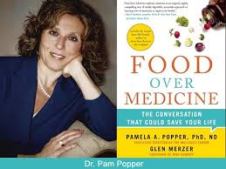
The interview with​ Dr. Pamela Popper

Hi there my friends!

Even though Irma got me a bit distracted (more than distracted), I have not forgotten what I promised: the key highlights of the interview with Dr. Pamela Popper. So stick around, because my next post is ALL about her (Monday). This is why you should be interested in this:

imgres 1. Internationally recognized naturopath and expert in nutrition (her work and research is applicable outside the United States)

2.  Lobbyist and public policy expert who works consistently to protect the rights of consumers of the health care system in the United States (for those who live in the U.S, you know the challenges to have reliable high-quality services)

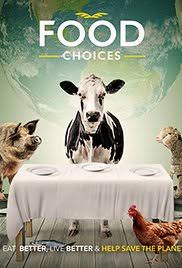
3. Author of different books related to health and one of the lead experts in the documentary Food Choices (2016)

You want to know more? enjoy the weekend and expect my blog next week!


See you soon!


Interview with Dr. Pamela Popper

imgres

Hi there my friends!

I am sure that almost everyone admires an author and secretly wishes to have the chance to have a conversation with this person at some point in their life. Well, ladies and gents, I have the incredible opportunity to have this conversation with a medical doctor who I follow and admire deeply.  Dr. Pamela Popper is an internationally recognized naturopath, expert in nutrition, medicine and health, who lives in Colombus, Ohio. She has been featured in different documentaries like “Food Choices” and “Processed People”.  Click this link Dr. P Popper profile in a nutshell for a brief description of her profile. Why am I excited about this? Because she shares nuggets of wisdom that are relevant to all of us:

  1. Why a plant-based diet is an ideal diet
  2. Changing our relationship with food
  3. Being an informed consumer

The session was about 40 minutes but to make it easy for you (I know everyone is busy), I transcribed the interview and extracted the highlights so it is short and straight to the point. (If you wanted to see the video interview, I am happy to share it, just let me know by email)

For the record, I am not being paid by her to share this information, I am only doing it because I trust her expertise, knowledge and more importantly I trust her judgment. She says things are they are and doesn’t have issues with making a bit of noise. The interview is available for subscribers to my site, so don’t be shy and subscribe. This will also provide you access to more content that is specifically designed for those who want to live fully and happily.

When is it coming? next week!

You can also email me and I’ll subscribe you: mxospina@nourishmegood.com.

Hasta pronto!


Gut health

images-1

If someone told you the food you eat not only nourishes you but also the 100 trillion bacteria, fungi, and viruses that live inside your body, do you think you will eat differently?

I mean, they are only small right? With the knowledge you have right now, what is your gut feeling about the best or worse food for your bacteria? And does it really matter anyway? After researching on this topic, and trust me, I am only scratching the surface here, there is a lot we need to learn about the way our critters live and nourish from us. Why? Because their health is crucial for our own health.

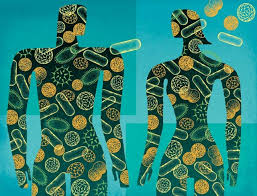
Research shows that we have about 100 trillion bacteria living in our bodies. Did you know that these bacteria outnumber your body cells by 10 to 1? I didn’t. This means we basically are a hybrid being: half human (or probably less than half) + microbiome.

To start this topic, it is crucial to understand the concept of the microbiome, and I will explain it in simple words. The microbiome is a community of microbes that live in our body, however, the biggest colony is in our GI tract. We start building microbiome the moment we are born when we exit our mother’s body either through natural birth or cesarean and also through breastfeeding. As years passed and we keep growing, our microbiome also grows and diversifies. It feeds on the food and the environment we live in. There are many research studies that show that the health of the microbiome contributes to our health in many ways: control mood swings, brain fog, fight auto immune diseases, absorb nutrients and reduce or increase the incidence of chronic diseases such as diabetes 1 and 2, obesity, arthritis, heart and brain diseases.

images-2

I must admit I had no idea we had so many critters living in our guts. It almost sounded like a science fiction movie, if you think of the 100 trillion bacteria that live inside our bodies and the fact they communicate with our genes it’s amazing. At the same time, realizing the connection between our brain, nervous system and microbes is mindblowing.  So considering the microbiome has the power to drive our genetic expression, (meaning they can turn on or off certain genes that can cause diseases) I think it’s very important that we learn how to nourish ourselves and our community of microbes. What research studies show us is that we need to diversify the bacteria in our bodies because it will help us fight diseases in a more efficient way.

I dare to say the general understanding on bacteria goes like this: we all have good and bad bacteria. When we take antibiotics, we kill good and bad bacteria, which is why we take probiotics to help rebuild the good bacteria. However, as I learn more about this topic, I realized that our gut health goes far beyond the standard media recommendations to focus on probiotics as a way to maintain gut health.

Not surprisingly, there are certain foods that our bad bacteria love and others that our good bacteria need in order to maintain good health. There is a constant battle for power between good and bad bacteria so we need to identify the foods that help good bacteria to succeed.

Let’s go over them.

Recommended foods:

  • Fermented foods like yogurt, fermented vegetables, and kombucha. Check out this link for more information on fermented vegetables. http://articles.mercola.com/fermented-foods.aspx
  • Polyphenol rich foods like blueberries, raw cacao, broccoli and green tea.
  • Plant –based foods add fiber to our diet, which prevents bacteria from eating the mucus in your intestines. This is clearly explained by Dr. Mercola in his blog. I became a fan of Dr. Joseph Mercola because of his extensive work to create more educated consumers and patients. imgres-3

Also, it’s important to add a variety of foods. Research studies show that 75% of the standard western diet is based on 12 plants and 5 animal species. [1] So, in regards to taking probiotics, of course, they help our gut health but food is a stronger influence in terms of long lasting results.

Now, let’s go over the not so recommended foods:imgres-5

  • Fat and  Sugary processed foods – These are huge disruptors of microbial balance. Bad bacteria love sugar (and fat). The more we eat it, the more bad bacteria grow while good bacteria decrease in number. When this happens, we decrease our ability to fight diseases.
  • Conventionally raised animals (and its products) – Due to the antibiotics they are fed while raised.
  • Antibiotics – It is best to avoid them unless you really need to take them for medical reasons. 

If you compare this information to that shared previously in my blogs it all seems to head in the same direction. The best options to keep healthy are foods in their natural form (not processed), fresh, whole and organic.

I found this video, which gives a short but complete picture of how the microbiome world works inside us. You might want to look at it and while you do it, you can share it with everyone you care for. https://www.youtube.com/watch?v=1sISguPDlhY

Becoming a conscious consumer is something attainable. Trust me, it is not that difficult, if you are reading this, you are already on the right path. So keep tuned and stay connected.

What’s your gut feeling after reading this? I would love to hear from you!


Hasta pronto!


[1]Molecular Metabolism 2016 Mar 5;5(5): 317-20


Optimal nutrition: Plant-based protein

images-3

For many years I have heard that the best approach to have a balanced diet is to eat less carbs and more protein. I believe I am not the only one who heard this. In fact, there is a lot of information online that swear by it. I have never followed a specific diet but I am mindful about including complex carbs and protein in my diet, mostly animal protein. (Until a few months ago that I started making some changes) As I am digging deeper into the best ways to keep myself energized, healthy and fit, I keep finding information that leads to the same conclusion: a plant-based diet is the most recommended diet for long-lasting health. It is also rich in proteins so there is no reason why we should believe the best way to nourish our bodies is by only eating animal protein (red meats, poultry, fish, eggs, and dairy).

Another point we need to consider is that we all have different nutritional needs. (Different protein needs for women, men, children, babies) Lifestyle choices also play an important part: if you work out or intend to lose weight or you are a couch potato will also determine how much protein you need. At the end of the day, optimal nutrition is about keeping balance.

Ok, so all this information is clear. However, when I kept searching trustworthy sources to determine if we are actually eating too much protein or not, it got quite confusing. In some articles and studies, it says we need to eat more protein and on the other hand, there are others that say we eat more than enough protein. So whom do you believe?


clean_labels_1

I guess the simple answer is that it depends on who pays for the studies and publishes information. Unfortunately, there is a lot of advertising (hidden in the form of research studies published in fancy health magazines and the sort) that lead us to believe we need a lot of animal protein. Don’t get me wrong, of course we need protein, they are the basic blocks of life. We need it to repair cells and make new ones apart from growth and development functions. But animal protein is not the only and best source available. In fact, animal protein has been linked to increasing cholesterol levels (due to saturated fats), inflammation at a cellular level, proliferation of cancer cells, diabetes and kidney issues apart from the fact that it doesn’t add any fiber to our diet.

A healthier alternative? Plant-based protein. Not only will you get protein but fiber that is so much-needed for proper body functioning. In the western diet, it is more common to get less fiber and more protein, so if you are concerned about not getting enough protein, maybe you should be more concerned about fiber + protein instead.

I would like to recommend some options (some of you might already know) to include in your weekly meals so that you give your body a break from animal protein. Doing so will also help you knock out some of the saturated fat.

images-11. Beans

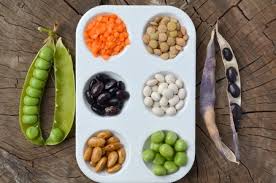
Being Colombian, this is my first choice. (I am already experimenting cooking a healthy version of Bandeja Paisa without chicharron and chorizo of course). There are so many varieties of beans (kidney, green beans, chickpeas, lentils, and more). They are high in fiber so they keep you full for longer, and each of them has their own benefits for our health:

Lentils – Great to fight cancer cells. They are packed with folate and magnesium. Excellent to prevent heart disease.

Kidney beans – Packed with antioxidants and omega 3’s polyunsaturated fatty acids. It helps to protect against Alzheimer’s disease.

Black beans – Full of anthocyanin that help protect brain function.

Chickpeas – High in fiber which helps to improve blood sugar, lipids and insulin levels.

There are so many more, so dare to try different kinds.

2. Quinoa

One of my favorites. I used to eat white rice and since I discovered quinoa it was pretty much love at first sight. It’s a gluten-free grain (technically is a seed) high in protein that is also used as a carbohydrate, it’s full of fiber and its one of the few foods that contain the nine essential amino acids. I eat it at least twice a week, it’s cooked pretty much like white rice and you can flavor it any way you wish. It goes great in salads, soups as a side dish or you can eat as cereal. There are different types; I prefer the white and red quinoa. It has become trendy in the last few years but it has been around for many, many years.

3. Nutritional Yeast

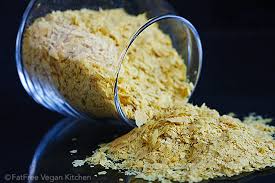
This one is a newcomer for me. Apart from its protein content, it’s also packed with B vitamins. It is an inactive form of yeast and comes as flakes. Normally it’s mixed with water or almond milk and mashed nuts and it has a nutty cheese flavor. This is the vegan version of a cheese sauce. I recently made a batch of this and I am getting used to the flavor. Some people like to sprinkle it on salads pasta and rice dishes.

imgres-1

4. Nuts

Who doesn’t like nuts? Not only they are full of protein, they are also rich in minerals, vitamin E and healthy fats. You can eat them in granola bars, spread them in a toast (almond or peanut butter), and sprinkle over granola, rice dishes or salads.

5. Tempeh

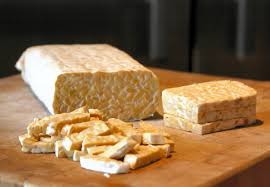
Also a new one for me. This is a fermented soy-based product originally from Indonesia (similar to tofu) that is full of calcium as well as manganese, copper, phosphorus and vitamin B2. There is controversy around soy-based products because in the US many of these products are highly processed and the soybeans have been genetically modified. Tempeh is produced with significantly less processing so it’s a safe and healthy option. It helps to reduce cholesterol and fight cancer cells. It can be stir-fried, baked, pan-fried or eaten raw. For more information on this topic, I recommend you read Dr. Mark Hyman’s blog. I have already mentioned Dr. Hyman in a previous blog. His comments on the numerous studies on soy (organic and processed) are eye-opening for those who have doubts.

imgres

I am currently experimenting with all these ingredients and of course, it is a bit intimidating to cook with new ingredients but so far is going well. Even my meat-eater husband is eating them, (in small bits of course).

Personally, I find these options fill me up with good energy to work out and function through the day. I am not ready to become a vegetarian or vegan (yet) but I must admit that I am feeling amazing. My digestion has improved significantly, my energy levels are up and I feel I am even losing weight.

If you want to learn more about the benefits of a plant-based diet and how it relates to better health, I totally recommend MD. Neil Barnard. He is also the president of the Physicians Committee for Responsible Medicine and has done lots of studies about health and nutrition.

My take? Aim for 3 days of animal protein + 4 days of plant-based protein for a week and see how you feel and when you choose animal protein, make sure is of good quality (grass-fed, organic and responsibly raised).

We are all different and what works for one person might not necessarily work for another, so it’s important to keep this in mind as we dare to diversify our food sources.

This is all for now, don’t forget to follow me on Facebook or Instagram to see some of the meals I am cooking and if you are trying new recipes please share I would love to hear from you.


Happy week!


Healthy living tips

imgres-3As I keep digging into the subject of nutrition and the present health crisis we are facing, I realized from a consumer’s perspective, we have been so misinformed and misguided for many years. I knew there are political forces and corporations’ interests behind many of the food options that are available to us. However, I never thought it was to the extent it is today, which only makes me reflect even more about the fact that we need to become more aware of what’s offered to us to be able to make intelligent decisions about our health.


Also, there is contradictory information about what’s good and bad (animal protein, dairy, gluten), and to top it up there’s a lot of diet books in the market that promise miracle results. Lots of confusing information. So, whom do you trust? Your doctor? Your friends? Your family?

I don’t have the magical answer but I can surely share some facts with you that personally have opened my perspective about the topic. We tend to think that if our family or friends or both are making the same or similar choices and it’s working for them, why would you need to think differently? I will tell you why: because we are getting ourselves sick with the food choices and lifestyle that we choose. Many of the chronic diseases around the world such as cardiovascular disease, obesity, diabetes and cancer can be prevented even if we have a genetic disposition to get the disease at some point in our lives. It is not true that because there is a history of heart disease in the family, you are condemned to suffer from the same condition. There are different health sites including medical studies, research papers, documentaries, articles that explain the close relationship between nutrition and lifestyle with chronic diseases. I want to share some of them in this blog.

If you like to watch documentaries, I strongly recommend Food Choices (http://www.foodchoicesmovie.com/), available on Netflix, it is very informative and definitely eye opening. It includes topics such as the worlds’ diet, and how our food choices affect our health and the planet.

imgres-4

Now, if you prefer to research yourself, I recommend Dr. Pamela Popper,  she is a naturopath, internationally recognized expert in nutrition, healthcare and medicine. There is plenty of information about her work online. What I like about Dr. Popper is the fact that she has no issues in saying things as they are. She has criticized government organizations, health associations and even private sector like pharmaceutical companies for their role in misinforming and misguiding the public. In her book Food over Medicine she emphasizes that we need to become educated consumers, and this is exactly what I am doing with this blog. Most of us live in “auto pilot”, we think that making changes is very hard, and I wont lie, it takes commitment, but its so well worth it that you would hate yourself when you find out how good you feel and look after you readjust to a healthy diet and lifestyle.

For some people, its easier to make changes and for others isn’t. This is where a health coach can help significantly; to rethink you approach to food and find alternative ways that are sustainable.

My take is that we all need to take responsibility for our own health. Being aware of the fact that we don’t have direct control over government food policies (even though we could protest if we really were that motivated), mass media influence, corporations’ power, its crucial that we empower ourselves to control what we can.


imgres-5

What is in our control as individuals? The food we buy and eat. Finding moments to become more active, not necessarily going to the gym if that’s not your cup of tea (I will write a full blog on this topic another time), and create or nurture a spiritual practice. All of them equally important. For now, I just want to motivate you to find more information on your own.

Who cares if others think you are getting too geeky when you start questioning your food options, your medical doctor or your Sunday lunch. You only have one body in this life so its time we take action. In the meantime, I will be here sharing all the information I find useful.

If you have time, I also recommend you check The Institute for Health Metrics and Evaluation (http://www.healthdata.org/results/country-profiles), there is a lot of information in this site, but the one I am more interested in, is the country profile. You type in the country name and it will show a comparison of the health profile between 1990 and 2015. You can see the mortality trends, top causes of death, top causes of premature death and disability among other information. It’s not surprising to see that heart disease, cerebrovascular disease and cancer are consistently in the top ten.

I hope this blog shed some light about this topic and helps you realize that to become a better version of ourselves, we need to be informed, active, curious and don’t swallow whole.

If you like this blog, don’t forget to share it and follow me.


Hasta pronto!


Medical check up: should I wait or book it?

As I started this path of becoming a healthier happier version of myself, I did something I should have done a while ago. A complete medical check up. Do you remember when was the last time you had a medical check up? It doesn’t count if you are going to the doctor to take your child, your mom or your husband, I mean a real visit to check how things are inside you. I am not proud to say it took me about two years to get this done, but life gets in the way, commitments, trips, holidays, and before you know its been a year and you haven’t booked that medical appointment. My other challenge, and I am sure you can relate to this if you don’t live in your home country, is to find a reliable doctor, someone you can trust and who is within the medical network (meaning covered by your insurance company…I wont get into too much detail because it’s very complicated), but it is a huge deal in the US because costs can increase significantly if you don’t have an insurance. Lastly, and this reason is probably the first reason, who likes to go to the doctor? There are so many other fun places and cool people to meet (and little time) that who wants to actually take the time to deal with call centres, doctors, lab tests, x-ray’s? Nobody.

Yes it is boring, I totally agree but my dear friends, we all need to make it a habit, at least once a year. Why wait until our body is collapsing or taken to the limit? It will also be cheaper to prevent than to treat illnesses.

So, we need to ask ourselves what are the minimal/general considerations when we finally go to see the doctor? (We know it is not a fun visit, so you might as well get the best out of it, right?) I have a few recommendations that will make the visit more productive. The tests below are common practice so be mindful of what they look for, and in case the doctor doesn’t order them, ask for them.

images-10

  • Complete blood count (CBC) checks white blood cells, red blood cells, haemoglobin and platelets. This test can uncover anaemia, infections and even cancer of the blood.
  • Metabolic Panel tests glucose in your blood, which can show if your heart, kidneys and liver are functioning well.
  • Lipid Panel tests for good cholesterol (HDL), bad cholesterol (LDL), triglycerides and calcium among others. It can show if there are risks associated with cardiovascular diseases.
  • Urine Analysis tests for bacteria and infections that in women can lead to cystitis and bladder complications.
  • Stool tests show parasites, bacteria that may be present in your digestive system that can cause a lot of different digestive issues.
  • Breast mammogram – for women over 40, its important to also get your breast checked, it’s definitely not a fun experience but so worth doing it.

Remember that some tests can be false positives and false negatives; apparently this happens more often than we think. So if you feel something is not quite right, get a second opinion. Don’t be shy, question your doctor and ask for alternative options to medication.

For the record, I got checked for ALL of these and even though I have healthy habits, I was a bit nervous to see the results. (After all, many things can change in a year). Luckily, I got positive news, my doctor took the time (because I asked for it) to go over every detail in the tests and he was kind enough to explain absolutely everything. I have to increase vitamin D and I decided to look for natural ways to increase it but supplements are an option as well. My next challenge is to get my husband to complete a full medical check up. (Work in progress)

So the question for you is: when are you going to book for your medical check up?

Don’t wait until your body is falling apart; make it a priority if you haven’t done it yet.

If you find this information relevant, please share it and let me know your thoughts.

Hasta pronto!

Note: This blog is meant to be a general guideline. If you have already been diagnosed with any illness there will be other tests that should be included and discussed with a specialist doctor.