Become a food label detective

ben-jerry-dublin-mudslide-ice-cream-nutrition

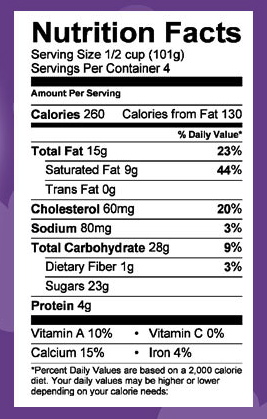
Hi there my friends! As mentioned in previous blogs, the best way to start your path to wellness is to eat fresh unprocessed foods, meaning eat from the earth and not from packages. However, I am aware there are certain foods that will come in packages and we will continue buying them because they are convenient and also because they are part of what we know. So knowing this is going to be the case, let’s talk about the food label in packaging.

I know some people look at the label in the product, but do you actually understand what it says? This is very important because it provides the information you need to make an informed decision.

So let’s go over the label.

  • Ingredients are listed in descending order by weight. So if you see sugar on the top, for example, put it back on the shelf. There are at least 61 names for sugar used in food labels and many times there are quite a few in one product. If you want to see the list, click here. Another clue is, if you can’t pronounce the word, it is not safe for you so don’t eat it.
  • Avoid partially hydrogenated fats which are also known as trans fats. They are chemically processed, which raises bad cholesterol (LDL) and lowers good cholesterol (HDL). Normally you can find them in bacon, ham, sausages, frozen foods and some can foods.
  • Salt (made of sodium 40% and chloride 60%) is in many foods and we tend to add more before eating it. Look for foods that have no added sodium and if you do, choose those labeled “sodium free”, which have less than 5g in a serving or “low sodium” which have less than 140g per serving. For your reference, 1500 mg of sodium amounts to 0.75 teaspoons or 3.75 grams of salt per day. This amount is the ideal limit for most adults. Check this link for more information.
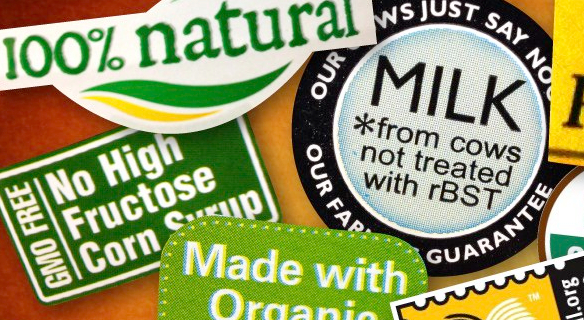
  • Be aware of marketing tactics. In the United States, for example, the use of the word “natural” to describe human food products is not strictly defined by the FDA. Many foods can have this word in the package but there is nothing natural in them. So again, check the ingredients to see the details.

And if you eat two servings, multiply x 2 the quantities of the ingredient. I don’t expect that you carry a calculator to see how much of this or that you are eating, my point is to be mindful of the servings. Because when you multiply that for x 3 meals a day x week x month x year…it all adds up.

images-3

Other points to consider:

  • Some canned foods are healthy options: legumes are good examples. If you don’t have the time to cook or soak beans overnight, canned legumes are a great second best option. Just make sure they are low in sodium (or salt) and there are no added ingredients.
  • Yogurt is not meant to be sweet so to really get the benefits avoid buying sweet yogurt. If you want to add sweetness to it, you can find healthier options such as raw honey, stevia or agave nectar. Also, do not assume that because they are natural sweeteners they don’t add calories! If you are looking to keep your weight down, be aware of the amounts you are consuming.

The American Heart Association (AHA) recommends:

Daily added sugar limits:

Women: 6 tsp (25 g)

Men: 9 tsp (38g)

Children 3-6 tsp (12-25g)

Be aware that I am not even discussing calories here, my main point is the ingredients.  So be a detective! Remember that you are in control, you are the best person to look after yourself.

In my next blog, I will show a video about how to best understand food labeling, so keep an eye on it. (Next week)


Thank you for reading this blog and as always if you are learning something new, don’t forget to share. Everything I share with you is with love and dedication hoping to guide you in your path to become a healthier happier YOU.


Other references

http://elevate.com.au/supermarket-sugar-connection-guide/

http://sugarscience.ucsf.edu/hidden-in-plain-sight/#.WcufHyMrIgp



Healthy holidays

imgres

Traveling is something that many of us love to do, especially if it is a holiday. If someone asked me to choose between traveling to a new place and the latest Channel handbag, I would definitely go for the trip. The thought of breathing a different air and exploring other cultures is the most exciting thing for me. Even going back to my home country, which I am lucky enough to visit a few times a year it’s always a great feeling. And of course, with the change of scenery comes a change in food. In my case, I get excited when I know I am going to find different food and flavors. Everywhere I have been, I make an effort to try something local and go to the market and see what people shop and indulge. In most cases, I find something that resonates with me: cactus salad (or nopal as it’s called in Mexico), Lebanese vegetable moussaka, Peruvian ceviche, Ajiaco.

But what happens when you know the food options are not going to be that appealing? Or maybe they are appealing just not too healthy. What do you do? You want to keep a balance: enjoy the trip, enjoy the food, avoid getting sick by eating too much of something you are not used to, keep hydrated (not with beer, this doesn’t count), stay active and at the same time be adventurous and try new foods ( wow…it already sounds like a lot of work and you are supposed to be doing this for fun!)

So what do we do? We don’t want to be the picky eater that no one wants to hang out with but at the same time you also want to keep balance and feel good while you are on a holiday.

imgres-1

I used to do a lot traveling when I had a corporate job and for me, it was always a struggle to keep balance, holidays were no different. However, there are certain tips that I apply when I travel and they make my life easier when I am away from home. I want to share them with you because at some point you can find yourself in a situation where you feel so out of balance that it can potentially spoil your holiday.

  • Food-kit

If you know there are some items that will be very hard to find where you go, always bring some with you. I normally carry green tea bags, a small bag of flax seeds (to keep my bowels moving) and dark chocolate. I am not a coffee drinker so green tea is a must. You can take it in a small zip log bag and that’s it. Be practical; take just enough for the days you will be traveling.

  • Baking soda

This is a very inexpensive product that is great for many things but the way I use it when traveling is to ease stomach pain when you have indigestion, bloating or gas. It also helps to soothe bug bites. Create a paste with a little bit of water and apply it on the bug bites, it will help to reduce itching.

  • Drink plenty of purified water (no tap water)

It sounds pretty obvious but many people don’t drink enough water as it is. When we are on a holiday we tend to drink more alcoholic drinks and food is quite different, which creates an imbalance in your diet. Lack of water can cause indigestion and dehydration so drinking water will help to recover from a hung over and keep your bowels moving to flush out anything that is not supposed to be inside your body.

  • Keep active

Staying by the pool or the beach and drink cocktails all afternoon is super fun, but make an effort to have a couple of days where there is some physical activity involved. Eating and drinking are fun, especially if you are with friends and family but find activities (or let your husband or friends do it for you) where you will be moving: walking, sight seeing, biking, dancing, anything that gets you moving. If you are an active person like I am, your body actually tells you that you need some activity. I personally take a skipping rope and check some online workouts and make sure I work out at least 30 mins a day (if I know I won’t be doing much physical activity). It helps me to sleep better and to digest food better.

imgres-2

  • Pool healthy snacks

Snacks come in many forms but why not making popcorn and flavor it with lime and chili powder? (Check these recipes http://www.jollytime.com/popcorn-recipes/healthy

It’s a healthier option than eating chips. Also, you can chop some seasonal fruit and place it in the fridge. You know it will be available anytime you or your family feel like a little something sweet.

  • Indulgence management

If you are like me, who loves sweet stuff, my best way to keep it under control is not to buy anything that is loaded with sugar. Instead, I buy fruit that is sweet and I manage my cravings that way (cherries, mangoes) or I get my dark chocolate bar from my bag and that’s it. Another method that may work (this one is a bit tricky) is to share it with someone who is also mindful of his or her weight and health. When you split a cake 2 or 3 ways it’s less sugar and fat you are eating in one hit. (The downside is that you will need a partner in crime for this last one, I have a couple around)

images

  • Be both moderate and bold

If you are trying new food, just be aware that it’s new and your body will inevitably react to it. This is when you want to be moderate and eat small portions, wait until next day to see how you feel. What’s the point in overdoing it and later feel sick? On the other hand, be bold to discover different cooking methods and flavors, there is always something new you can learn from other cultures or your own friends and family that you can apply in your own kitchen. (Obviously, I am referring to healthy habits, not bad ones)

Overall, I would say the best way to keep balance while traveling is to be open to new flavors and ways of eating, but also be mindful about the options that are presented to you and don’t feel guilty if you didn’t stick to your healthy diet every day. If you decide to have that piece of cake, enjoy it with pleasure, focus all your attention on that moment, chew it slowly, savor every bite and make it worth. You know it is a treat and so be grateful for that moment, no guilt whatsoever. Next day you can focus on choosing healthier options.

If you have any tips you want to share with me, don’t be shy and leave a comment. I would LOVE to hear from you.


Besos a todos!

Optimal nutrition: Plant-based protein

images-3

For many years I have heard that the best approach to have a balanced diet is to eat less carbs and more protein. I believe I am not the only one who heard this. In fact, there is a lot of information online that swear by it. I have never followed a specific diet but I am mindful about including complex carbs and protein in my diet, mostly animal protein. (Until a few months ago that I started making some changes) As I am digging deeper into the best ways to keep myself energized, healthy and fit, I keep finding information that leads to the same conclusion: a plant-based diet is the most recommended diet for long-lasting health. It is also rich in proteins so there is no reason why we should believe the best way to nourish our bodies is by only eating animal protein (red meats, poultry, fish, eggs, and dairy).

Another point we need to consider is that we all have different nutritional needs. (Different protein needs for women, men, children, babies) Lifestyle choices also play an important part: if you work out or intend to lose weight or you are a couch potato will also determine how much protein you need. At the end of the day, optimal nutrition is about keeping balance.

Ok, so all this information is clear. However, when I kept searching trustworthy sources to determine if we are actually eating too much protein or not, it got quite confusing. In some articles and studies, it says we need to eat more protein and on the other hand, there are others that say we eat more than enough protein. So whom do you believe?


clean_labels_1

I guess the simple answer is that it depends on who pays for the studies and publishes information. Unfortunately, there is a lot of advertising (hidden in the form of research studies published in fancy health magazines and the sort) that lead us to believe we need a lot of animal protein. Don’t get me wrong, of course we need protein, they are the basic blocks of life. We need it to repair cells and make new ones apart from growth and development functions. But animal protein is not the only and best source available. In fact, animal protein has been linked to increasing cholesterol levels (due to saturated fats), inflammation at a cellular level, proliferation of cancer cells, diabetes and kidney issues apart from the fact that it doesn’t add any fiber to our diet.

A healthier alternative? Plant-based protein. Not only will you get protein but fiber that is so much-needed for proper body functioning. In the western diet, it is more common to get less fiber and more protein, so if you are concerned about not getting enough protein, maybe you should be more concerned about fiber + protein instead.

I would like to recommend some options (some of you might already know) to include in your weekly meals so that you give your body a break from animal protein. Doing so will also help you knock out some of the saturated fat.

images-11. Beans

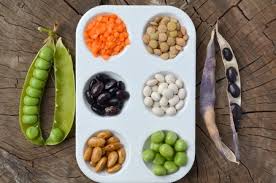
Being Colombian, this is my first choice. (I am already experimenting cooking a healthy version of Bandeja Paisa without chicharron and chorizo of course). There are so many varieties of beans (kidney, green beans, chickpeas, lentils, and more). They are high in fiber so they keep you full for longer, and each of them has their own benefits for our health:

Lentils – Great to fight cancer cells. They are packed with folate and magnesium. Excellent to prevent heart disease.

Kidney beans – Packed with antioxidants and omega 3’s polyunsaturated fatty acids. It helps to protect against Alzheimer’s disease.

Black beans – Full of anthocyanin that help protect brain function.

Chickpeas – High in fiber which helps to improve blood sugar, lipids and insulin levels.

There are so many more, so dare to try different kinds.

2. Quinoa

One of my favorites. I used to eat white rice and since I discovered quinoa it was pretty much love at first sight. It’s a gluten-free grain (technically is a seed) high in protein that is also used as a carbohydrate, it’s full of fiber and its one of the few foods that contain the nine essential amino acids. I eat it at least twice a week, it’s cooked pretty much like white rice and you can flavor it any way you wish. It goes great in salads, soups as a side dish or you can eat as cereal. There are different types; I prefer the white and red quinoa. It has become trendy in the last few years but it has been around for many, many years.

3. Nutritional Yeast

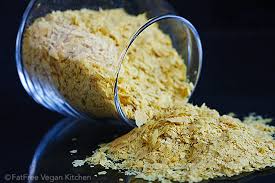
This one is a newcomer for me. Apart from its protein content, it’s also packed with B vitamins. It is an inactive form of yeast and comes as flakes. Normally it’s mixed with water or almond milk and mashed nuts and it has a nutty cheese flavor. This is the vegan version of a cheese sauce. I recently made a batch of this and I am getting used to the flavor. Some people like to sprinkle it on salads pasta and rice dishes.

imgres-1

4. Nuts

Who doesn’t like nuts? Not only they are full of protein, they are also rich in minerals, vitamin E and healthy fats. You can eat them in granola bars, spread them in a toast (almond or peanut butter), and sprinkle over granola, rice dishes or salads.

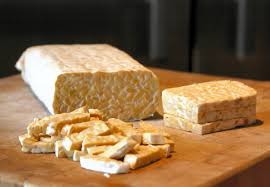
5. Tempeh

Also a new one for me. This is a fermented soy-based product originally from Indonesia (similar to tofu) that is full of calcium as well as manganese, copper, phosphorus and vitamin B2. There is controversy around soy-based products because in the US many of these products are highly processed and the soybeans have been genetically modified. Tempeh is produced with significantly less processing so it’s a safe and healthy option. It helps to reduce cholesterol and fight cancer cells. It can be stir-fried, baked, pan-fried or eaten raw. For more information on this topic, I recommend you read Dr. Mark Hyman’s blog. I have already mentioned Dr. Hyman in a previous blog. His comments on the numerous studies on soy (organic and processed) are eye-opening for those who have doubts.

imgres

I am currently experimenting with all these ingredients and of course, it is a bit intimidating to cook with new ingredients but so far is going well. Even my meat-eater husband is eating them, (in small bits of course).

Personally, I find these options fill me up with good energy to work out and function through the day. I am not ready to become a vegetarian or vegan (yet) but I must admit that I am feeling amazing. My digestion has improved significantly, my energy levels are up and I feel I am even losing weight.

If you want to learn more about the benefits of a plant-based diet and how it relates to better health, I totally recommend MD. Neil Barnard. He is also the president of the Physicians Committee for Responsible Medicine and has done lots of studies about health and nutrition.

My take? Aim for 3 days of animal protein + 4 days of plant-based protein for a week and see how you feel and when you choose animal protein, make sure is of good quality (grass-fed, organic and responsibly raised).

We are all different and what works for one person might not necessarily work for another, so it’s important to keep this in mind as we dare to diversify our food sources.

This is all for now, don’t forget to follow me on Facebook or Instagram to see some of the meals I am cooking and if you are trying new recipes please share I would love to hear from you.


Happy week!


Healthy lifestyle habits

imgres-7

The other day I was listening to a woman in the elevator talking to someone on the phone and she was saying to her friend something like “well, you know how it is, marriage is like a roller coaster, it has ups and downs…” and that got me thinking I should write about what I call spiritual nutrition and how this connects with nutrition in general.

For the record, I don’t consider myself enlightened, but being the curious, emotional woman that I am, I reflect frequently about how to improve my relationships with the people around me in the world we live in.

Something that has really helped me in the self-reflecting process is the meditation practice. I was lucky to complete a 10 day meditation retreat (Vipassana Meditation) in 2004 in Sydney, Australia and it was the beginning of a calmer and happier me. Since then, I make an effort to meditate during the weekdays (unless I am sick or something extraordinary happens) for 15 minutes or more if I have the time. How does it help me? It helps me to reduce anxiety, be focused, calmer, to let go and enjoy the here and now. I should probably add here that to make the meditation practice a successful effort, its important to complement it with the teachings of the Buddha and practice meditation with a group (in Buddhism it’s called Sangha), so I also dedicate time to read, join the Sangha (not as often as I want to) and attend live sessions with spiritual leaders to improve my understanding in this topic. Being born in a catholic family shaped my values and beliefs but I always felt it lack something. I am not going to go into the details of the aspects about Catholicism that I don’t believe in or I don’t relate to, but I can say the more I read and study Buddhism, the more I connect to it. For the purpose of this blog (Because I could easily write a lot about my appreciation for Buddhism) what really speaks to me is the understanding that we have the power to be happy within ourselves. The fact that we have the power to be active and not reactive in our relationships with others and the world in general.

Think of this: When you get angry, have you ever had that feeling inside your gut when you are just about to yell or scream at someone? It’s almost like a click that turns on inside you making you feel hot as if smoke will come out of your ears in a second. This is the time when you have two choices (even though things happen really fast in your brain and you don’t really see the two choices immediately):

images-19

Choice No. 1. React with aggression, say everything that comes to your head without thinking of the consequences, quickly looking for words to offend your opponent and defend yourself.

Choice No. 2. Breath in, breath out, acknowledge the heat inside your body and don’t engage in aggressive behaviour. See the other person with compassion and decide its better to cool off before saying anything else you will regret later.

images-20

Personally, when I get upset, I feel the heat inside my head and I know in the next second I have to make a choice: should I put on my boxing gloves? Or should I just let it go and find another time to choose my words better? It’s not always easy but I have a choice. This is exactly what I mean by becoming active and not reactive. So the question is how do we train our mind to see things with this light? Meditation practice.

You don’t need to change religions to learn how to meditate. But it is crucial to act with intention. How can we expect others to act with wisdom and compassion if we don’t practice it ourselves?

So going back to the roller coaster comment, I could not agree more. Marriage is like a roller coaster, it has ups and downs but we have the choice to make the ups more enjoyable and memorable and the downs less intense and destructive.

Being a healthier person is not just about the physical food you eat, our emotional health is very important, meditation is one way to detox your mind and create the space to be calmer and content. There are different meditation schools and practices; I can suggest these ones: The Diamond Way Buddhism , Bodhy Path , and Vipassana Meditation. But be active and look for other options, you don’t need to start this path alone, there are more people than you think interested in practicing meditation.

Having clarified this point, I want to share with you healthy food options that would help you to focus when you start your meditation practice:

  • Have a herbal tea like ginger and lemon, mint or chamomile before you sit down in your quite area to meditate. Having a full stomach will make it very hard to focus
  • Plant based diet is the ideal option because its lighter and it will not take that long to digest. (Grains, vegetables, fruits, legumes, seeds) If your body is too busy breaking down the food, your attention will be diluted
  • Avoid drinks which are high in sugar and caffeine, they will get you agitated

Now that you have this information, I hope you share with me how’s your meditation practice and what type of healthy foods are you including in your diet. Don’t be shy and share it here.

Hasta pronto!