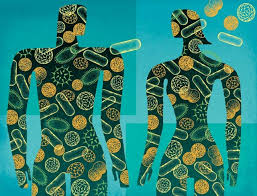
The Powerhouse inside us

Hi there my friends!

Remember my blog about Gut Health? I find this topic fascinating because there is a lot that we still don’t know about the benefits of looking after our microbiome. If you don’t know what I mean by microbiome, I recommend reading that blog so you are fully connected to what I am about to share here.

Basically, our microbiome (The community of good and bad bacteria living in our gastro intestinal tract) is like the Amazon jungle: diverse but also vulnerable if we don’t care for it, as we should.

In order for human beings to have optimal health, we need to protect the diversity of the microbiome. These tiny critters are essential to our wellbeing. I think I can predict what you are thinking: she is talking about eating healthy to avoid overweight and digestive issues. Well, there is a little of that but there is so much more to it.

Numerous studies show us the connection between our gut and the neurological, and immunological system as well as the influence of the microbiome on gene expression and the most obvious, the role in the absorption of nutrients for proper body functioning.

I want to focus on the first three connections because I feel there isn’t enough information available (unless you really look for it) and I am sure you can learn something new today.
images-1

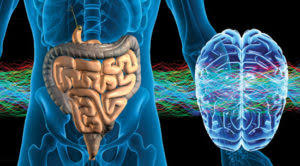
Photo by Regeneratemagazine.com

Connection of the gut with the neurological system

Different research studies and medical journals demonstrate the connection between our healthy bacteria and the brain. In fact, neurotransmitters like serotonin and dopamine are actually manufactured in the gut. Serotonin is used inside the brain and it affects our mood, social behaviour, appetite, sleep, memory and sexual function. Lack of serotonin leads to depression, anxiety, autism, schizophrenia among others. On the other hand, dopamine, being another messenger in the brain, is involved with many activities such as behaviour patterns, mood swings, learning, motivational factors (reward and reinforcement). When we lack dopamine diseases like Parkinson’s, schizophrenia and ADHD are more likely to happen.

For more information on this subject, click here.
images-2

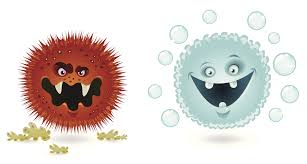
Photo by Gutmicrobiotaforhealth.com

Connection of the Gut with the immunological system

Did you know that feeding your good bacteria is the key to fight diseases? And did you know that 80% of your immune system is located in your gut? I bet you didn’t, but it’s absolutely true. Everyday, there are more studies that show that all diseases originate in the digestive system and it all starts with inflammation in the gut. Inflammation happens every time we eat the wrong stuff (fried foods, processed foods, foods with additives and hormones, refined sugars). You can live many years with inflammation and don’t realize it and before you know it, disease is already living in your body. Our good bacteria decreases every time we eat the wrong foods and the only way we can support it (so they can fight the bad bacteria and we avoid diseases) is to feed it with real nutrients.

For more information on this topic click here.

Lastly, we have the connection between the gut and our genes. Amazingly, the microbiome communicates constantly with our genes and it has the power to transform them. Our metabolic responses are affected by this relationship in the sense that if we do the “right things” we will help to transform that gene expression into a positive one and therefore, we will be healthy and happy. On the contrary, if we continue living with bad habits, eating unhealthy, encouraging high stress and lack of physical activity, we will communicate this to our genes instead.

So the question is: what can we do to make it easier for our neurotransmitters to do their job properly? How can we avoid getting sick?

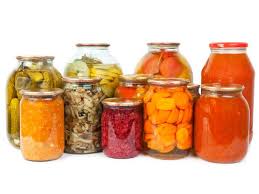
The answer my friends is very simple: eat a diet rich in vegetables, fruits, whole foods and clean proteins. Easy, right?
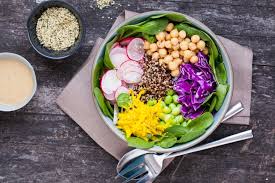
images-3

Photo by Wellandgood.com

Not only that, for those who are already showing signs of diseases, an elimination diet or fasting can help your body heal and reset. (I plan to write a blog about this soon)  Something you can start practicing now is mindful eating: chewing enough, finding the space to nourish yourself with respect and love for your body and of course eating healthy food.

My opinion is that changes are easy to integrate when you are aware of the connections inside our body as well as those in the outside world. Everything affects our wellbeing: the food we eat, the lifestyle we choose, the relationships we cultivate, our connection with ourselves and also with our microbiome.

I trust this blog inspires you to find out more information and start implementing changes in your diet. If you need help, let me know and I will happily assist you.


As usual, don’t forget to share, this information is useful for everyone.


Bear hugs!



Gut health

images-1

If someone told you the food you eat not only nourishes you but also the 100 trillion bacteria, fungi, and viruses that live inside your body, do you think you will eat differently?

I mean, they are only small right? With the knowledge you have right now, what is your gut feeling about the best or worse food for your bacteria? And does it really matter anyway? After researching on this topic, and trust me, I am only scratching the surface here, there is a lot we need to learn about the way our critters live and nourish from us. Why? Because their health is crucial for our own health.

Research shows that we have about 100 trillion bacteria living in our bodies. Did you know that these bacteria outnumber your body cells by 10 to 1? I didn’t. This means we basically are a hybrid being: half human (or probably less than half) + microbiome.

To start this topic, it is crucial to understand the concept of the microbiome, and I will explain it in simple words. The microbiome is a community of microbes that live in our body, however, the biggest colony is in our GI tract. We start building microbiome the moment we are born when we exit our mother’s body either through natural birth or cesarean and also through breastfeeding. As years passed and we keep growing, our microbiome also grows and diversifies. It feeds on the food and the environment we live in. There are many research studies that show that the health of the microbiome contributes to our health in many ways: control mood swings, brain fog, fight auto immune diseases, absorb nutrients and reduce or increase the incidence of chronic diseases such as diabetes 1 and 2, obesity, arthritis, heart and brain diseases.

images-2

I must admit I had no idea we had so many critters living in our guts. It almost sounded like a science fiction movie, if you think of the 100 trillion bacteria that live inside our bodies and the fact they communicate with our genes it’s amazing. At the same time, realizing the connection between our brain, nervous system and microbes is mindblowing.  So considering the microbiome has the power to drive our genetic expression, (meaning they can turn on or off certain genes that can cause diseases) I think it’s very important that we learn how to nourish ourselves and our community of microbes. What research studies show us is that we need to diversify the bacteria in our bodies because it will help us fight diseases in a more efficient way.

I dare to say the general understanding on bacteria goes like this: we all have good and bad bacteria. When we take antibiotics, we kill good and bad bacteria, which is why we take probiotics to help rebuild the good bacteria. However, as I learn more about this topic, I realized that our gut health goes far beyond the standard media recommendations to focus on probiotics as a way to maintain gut health.

Not surprisingly, there are certain foods that our bad bacteria love and others that our good bacteria need in order to maintain good health. There is a constant battle for power between good and bad bacteria so we need to identify the foods that help good bacteria to succeed.

Let’s go over them.

Recommended foods:

  • Fermented foods like yogurt, fermented vegetables, and kombucha. Check out this link for more information on fermented vegetables. http://articles.mercola.com/fermented-foods.aspx
  • Polyphenol rich foods like blueberries, raw cacao, broccoli and green tea.
  • Plant –based foods add fiber to our diet, which prevents bacteria from eating the mucus in your intestines. This is clearly explained by Dr. Mercola in his blog. I became a fan of Dr. Joseph Mercola because of his extensive work to create more educated consumers and patients. imgres-3

Also, it’s important to add a variety of foods. Research studies show that 75% of the standard western diet is based on 12 plants and 5 animal species. [1] So, in regards to taking probiotics, of course, they help our gut health but food is a stronger influence in terms of long lasting results.

Now, let’s go over the not so recommended foods:imgres-5

  • Fat and  Sugary processed foods – These are huge disruptors of microbial balance. Bad bacteria love sugar (and fat). The more we eat it, the more bad bacteria grow while good bacteria decrease in number. When this happens, we decrease our ability to fight diseases.
  • Conventionally raised animals (and its products) – Due to the antibiotics they are fed while raised.
  • Antibiotics – It is best to avoid them unless you really need to take them for medical reasons. 

If you compare this information to that shared previously in my blogs it all seems to head in the same direction. The best options to keep healthy are foods in their natural form (not processed), fresh, whole and organic.

I found this video, which gives a short but complete picture of how the microbiome world works inside us. You might want to look at it and while you do it, you can share it with everyone you care for. https://www.youtube.com/watch?v=1sISguPDlhY

Becoming a conscious consumer is something attainable. Trust me, it is not that difficult, if you are reading this, you are already on the right path. So keep tuned and stay connected.

What’s your gut feeling after reading this? I would love to hear from you!


Hasta pronto!


[1]Molecular Metabolism 2016 Mar 5;5(5): 317-20


Tus peores o mejores aliados

images-1

Si alguien te dijera que los alimentos que consumes no sólo te nutren a ti sino también a los 100 trillones de bacteria que viven en tu cuerpo, crees que te alimentarías de manera diferente?

Los habitantes de nuestro cuerpo son muy pequeños, así que será relevante? Con el conocimiento que tienes actualmente que te dice tu instinto (gut feeling en inglés) sobre cuales serian las mejores o peores opciones alimenticias para tu flora intestinal? Pensarias que este tema realmente importante? Despues de investigar sobre el tema y créanme que solo lo estoy discutiendo de una manera superficial en este blog, pienso que debemos aprender mucho sobre como nuestros bichitos viven y se alimentan de nosotros. Por qué? Porque su salud y bienestar es crucial para nuestra salud.

Los estudios científicos nos muestran que tenemos alrededor de 100 trillones de bacteria viviendo en nuestro cuerpo. Sabias que esto significa una proporción de 10 a 1 comparado con nuestras celulas? Yo no lo sabia. Esto significa que basicamente sómos seres hibrídos: mitad humanos + mitad microbioma.

Para comenzar a abordar este tema es crucial entender el concepto de microbioma y lo voy a explicar de una manera muy simple. El microbioma es una comunidad de microbios que viven en nuestro cuerpo, sin embargo, la colonia más grande esta ubicada en el tracto intestinal. Llamada flora intestinal en español. Empezamos a crear nuestra flora intestinal en el momento en que nacemos y llegamos a este mundo por parto natural o por cesarea y luego por medio de la lecha materna. Con el paso del tiempo y seguimos creciendo, este tambien crece y de diversifica. Hay muchos estudios que demuestran que la salud de nuestro microbioma contribuye a nuestra salud de muchas maneras. Contribuye a controlar los cambios de animo, la niebla cerebral (cuando uno se siente con la cabeza nublada y no puede pensar o actuar claramente), combatir enfermedade autoinmunes, absorber nutrientes y en general reducir o por el otro lado aumentar la incidencia de enfermedades crónicas como son la diabetes 1 y 2, artritis y enfermedades cardiovasculares.

Tengo que admitir que no tenia idea que tuvieramos tantos bichos viviendo en el tracto intestinal. Por un momento casi me parece una película de ciencia ficción si uno se pone a pensar en los 100 trillones de bacteria que viven en nuestro cuerpo y el hecho de que estos pueden comunicarse con nuestros genes me parece sorprendente. Al mismo tiempo, entender la conexión entre nuestro cerebro, el sistema nervioso y los microbios es algo impresionante. Así que teniendo en cuenta que el microbioma tiene el poder de afectar nuestra expresion genetica ( Es decir que tiene el poder de encender o apagar ciertos genes causantes de enfermedades) pienso que es muy importante que aprendamos como nutrirnos y como nutrir a nuestra comunidad de microbios. Lo que la ciencia nos muestra es que necesitamos diversificar las bacterias en nuestro cuerpo porque de esa forma podremos estar mejor equipados para combatir enfermedades de manera eficiente.

images-2

Me atrevería a decir que el entendimiento común sobre las bacterias es más o menos así: Todos tenemos bacterias buenas y males. Cuando tomamos antibióticos, matamos todas las bacterias, razón por la cual tomamos probióticos para reconstruir las bacterias buenas en la flora intestinal. Sin embargo, entre más me ahondo en el tema me doy cuenta que nuestra salud intestinal va mucho más alla de las recomendaciones generales de tomar probióticos para mantener una balance saludable.

No es de sorprenderse que hay algunos alimentos que nuestras bacterias malas les encanta y otros que las bacterias buenas necesitan para mantener un balance. Existe una batalla constante por el poder entre las bacterias buenas y malas así que necesitamos identificar que alimentos ayudan a las bacterias buenas a salir triunfantes.

Repasémoslas.

Alimentos recomendados:

imgres-3

  • Alimentos fermentados como el yogurt, vegetales fermentados (encurtidos) y kombucha. Mira este link para ver info sobre vegetales encurtidos. http://articles.mercola.com/fermented-foods.aspx
  • Alimentos ricos en polifenoles como los arándanos, cacao puro, broccoli y té verde.
  • Alimentos basados en plantas adicionan fibra a nuestra dieta, lo cual previene que las bacterias se coman la mucosidad intestinal (que es el inicio de muchas enfermedades gastrointestinales y crónicas). Esto lo explica claramente el Dr. Joseph Mercola en su blog. Yo soy fan de su trabajo ya que es un medico muy activo y respetado en los Estados Unidos en lo que respecta a medicina osteopática. Dedica mucho de su tiempo a educar a consumidores y pacientes sobre diferentes temas en salud.

Igualmente, es importante crear una variedad en las comidas. Estudios científicos demuestran que 75% de la dieta convencional occidental se centra en solo 12 plantas y 5 especies animales. [1] Así que volviendo al tema de los probióticos, por supuesto que ayudan a mantener una flora intestinal saludable pero la alimentación sigue siendo una influencia mucho mas diciente y con resultados a largo plazo.

Ahora hablemos de los alimentos que no son recomendados:

imgres-5

  • Comidas procesadas azucaradas y grasosas – Estos crean un desbalance en la flora intestinal de grandes proporciones. A las bacterias malas les encanta el azucar (y la grasa). Entre más comemos, más crecen estas bacterias mientras que las bacterias buenas empiezan a disminuir rapidamente. Cuando esto sucede, perdemos nuestra habilidad para combatir enfermedades.
  • Animales criados de manera convencional (y sus productos) – Debido a los antibióticos que les inyectan cuando estan en el criadero.
  • Antibióticos – Es recomendable evitar su consumo a menos que realmente los necesites tomar por razones medicas.

Si comparas esta información con la que he compartido en blogs anteriores todo parece apuntar hacia la misma dirección. La mejor manera de mantenernos saludables es consumir alimentos en su forma natural (no procesada) que sean frescos, enteros y organicos.

Encontre este video, el cual es corto y da una explicación completa sobre como el mundo del microbioma funciona dentro de nuestro cuerpo. Seguro te sera util y mientras lo haces, lo puedes compartir con otros que quieres que tambien aprendan y se cuiden mejor. https://www.youtube.com/watch?v=1sISguPDlhY

Volvernos consumidores conscientes es algo que se puede lograr. Creéme, no es tan dificil, si estas leyendo esto es porque ya vas por buen camino. Asi que manténte conectado para más información.

Cual es tu opinión al respecto? Me encantaría saber que te dice tu gut feeling.

Hasta pronto!


[1]Molecular Metabolism 2016 Mar 5;5(5): 317-20