The Powerhouse inside us

Hi there my friends!

Remember my blog about Gut Health? I find this topic fascinating because there is a lot that we still don’t know about the benefits of looking after our microbiome. If you don’t know what I mean by microbiome, I recommend reading that blog so you are fully connected to what I am about to share here.

Basically, our microbiome (The community of good and bad bacteria living in our gastro intestinal tract) is like the Amazon jungle: diverse but also vulnerable if we don’t care for it, as we should.

In order for human beings to have optimal health, we need to protect the diversity of the microbiome. These tiny critters are essential to our wellbeing. I think I can predict what you are thinking: she is talking about eating healthy to avoid overweight and digestive issues. Well, there is a little of that but there is so much more to it.

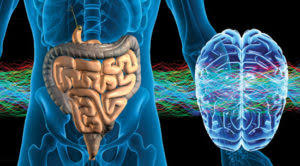
Numerous studies show us the connection between our gut and the neurological, and immunological system as well as the influence of the microbiome on gene expression and the most obvious, the role in the absorption of nutrients for proper body functioning.

I want to focus on the first three connections because I feel there isn’t enough information available (unless you really look for it) and I am sure you can learn something new today.
images-1

Photo by Regeneratemagazine.com

Connection of the gut with the neurological system

Different research studies and medical journals demonstrate the connection between our healthy bacteria and the brain. In fact, neurotransmitters like serotonin and dopamine are actually manufactured in the gut. Serotonin is used inside the brain and it affects our mood, social behaviour, appetite, sleep, memory and sexual function. Lack of serotonin leads to depression, anxiety, autism, schizophrenia among others. On the other hand, dopamine, being another messenger in the brain, is involved with many activities such as behaviour patterns, mood swings, learning, motivational factors (reward and reinforcement). When we lack dopamine diseases like Parkinson’s, schizophrenia and ADHD are more likely to happen.

For more information on this subject, click here.
images-2

Photo by Gutmicrobiotaforhealth.com

Connection of the Gut with the immunological system

Did you know that feeding your good bacteria is the key to fight diseases? And did you know that 80% of your immune system is located in your gut? I bet you didn’t, but it’s absolutely true. Everyday, there are more studies that show that all diseases originate in the digestive system and it all starts with inflammation in the gut. Inflammation happens every time we eat the wrong stuff (fried foods, processed foods, foods with additives and hormones, refined sugars). You can live many years with inflammation and don’t realize it and before you know it, disease is already living in your body. Our good bacteria decreases every time we eat the wrong foods and the only way we can support it (so they can fight the bad bacteria and we avoid diseases) is to feed it with real nutrients.

For more information on this topic click here.

Lastly, we have the connection between the gut and our genes. Amazingly, the microbiome communicates constantly with our genes and it has the power to transform them. Our metabolic responses are affected by this relationship in the sense that if we do the “right things” we will help to transform that gene expression into a positive one and therefore, we will be healthy and happy. On the contrary, if we continue living with bad habits, eating unhealthy, encouraging high stress and lack of physical activity, we will communicate this to our genes instead.

So the question is: what can we do to make it easier for our neurotransmitters to do their job properly? How can we avoid getting sick?

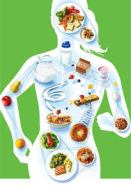
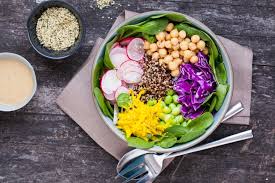
The answer my friends is very simple: eat a diet rich in vegetables, fruits, whole foods and clean proteins. Easy, right?
images-3

Photo by Wellandgood.com

Not only that, for those who are already showing signs of diseases, an elimination diet or fasting can help your body heal and reset. (I plan to write a blog about this soon)  Something you can start practicing now is mindful eating: chewing enough, finding the space to nourish yourself with respect and love for your body and of course eating healthy food.

My opinion is that changes are easy to integrate when you are aware of the connections inside our body as well as those in the outside world. Everything affects our wellbeing: the food we eat, the lifestyle we choose, the relationships we cultivate, our connection with ourselves and also with our microbiome.

I trust this blog inspires you to find out more information and start implementing changes in your diet. If you need help, let me know and I will happily assist you.


As usual, don’t forget to share, this information is useful for everyone.


Bear hugs!
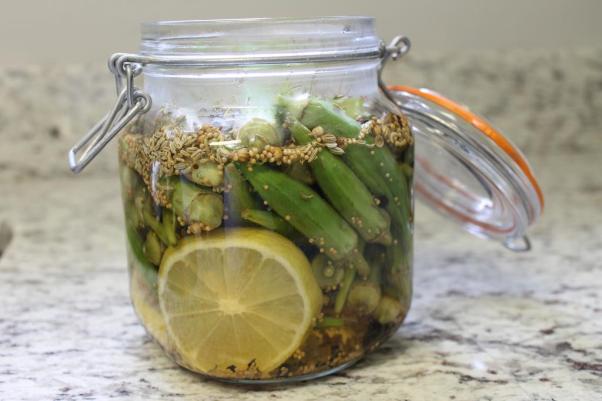


Fermented foods: Pickled Okra

If you had a chance to read my blog about Gut Health, you will remember I mentioned that fermented foods are great to help us protect and increase our good bacteria. Well, I decided to do this recipe and I loveeee it! It was easy and the best part is that they last long so I don’t need to eat them all at once. So go ahead and start fermenting!

pickled-okra3
Ingredients:
1 1/2 pounds of fresh Okra
4 garlic cloves
sliced lemons
2 cups of apple cider vinegar
2 cups of water
3 Tspns of salt
1 Tspn brown sugar
Spices:
1 tspn fennel seeds
1 Tbsp chili flakes
1 tspn black peppercorns

Continue reading

Become a food label detective

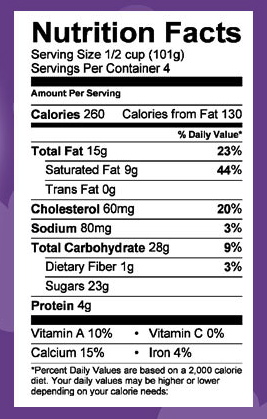
ben-jerry-dublin-mudslide-ice-cream-nutrition

Hi there my friends! As mentioned in previous blogs, the best way to start your path to wellness is to eat fresh unprocessed foods, meaning eat from the earth and not from packages. However, I am aware there are certain foods that will come in packages and we will continue buying them because they are convenient and also because they are part of what we know. So knowing this is going to be the case, let’s talk about the food label in packaging.

I know some people look at the label in the product, but do you actually understand what it says? This is very important because it provides the information you need to make an informed decision.

So let’s go over the label.

  • Ingredients are listed in descending order by weight. So if you see sugar on the top, for example, put it back on the shelf. There are at least 61 names for sugar used in food labels and many times there are quite a few in one product. If you want to see the list, click here. Another clue is, if you can’t pronounce the word, it is not safe for you so don’t eat it.
  • Avoid partially hydrogenated fats which are also known as trans fats. They are chemically processed, which raises bad cholesterol (LDL) and lowers good cholesterol (HDL). Normally you can find them in bacon, ham, sausages, frozen foods and some can foods.
  • Salt (made of sodium 40% and chloride 60%) is in many foods and we tend to add more before eating it. Look for foods that have no added sodium and if you do, choose those labeled “sodium free”, which have less than 5g in a serving or “low sodium” which have less than 140g per serving. For your reference, 1500 mg of sodium amounts to 0.75 teaspoons or 3.75 grams of salt per day. This amount is the ideal limit for most adults. Check this link for more information.
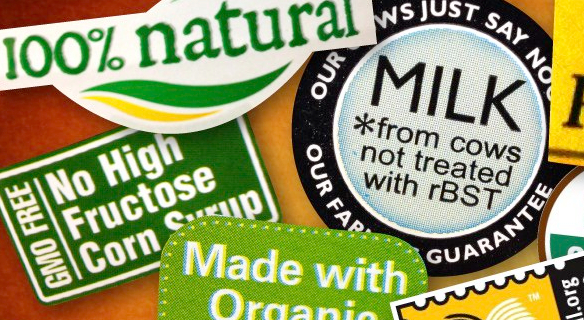
  • Be aware of marketing tactics. In the United States, for example, the use of the word “natural” to describe human food products is not strictly defined by the FDA. Many foods can have this word in the package but there is nothing natural in them. So again, check the ingredients to see the details.

And if you eat two servings, multiply x 2 the quantities of the ingredient. I don’t expect that you carry a calculator to see how much of this or that you are eating, my point is to be mindful of the servings. Because when you multiply that for x 3 meals a day x week x month x year…it all adds up.

images-3

Other points to consider:

  • Some canned foods are healthy options: legumes are good examples. If you don’t have the time to cook or soak beans overnight, canned legumes are a great second best option. Just make sure they are low in sodium (or salt) and there are no added ingredients.
  • Yogurt is not meant to be sweet so to really get the benefits avoid buying sweet yogurt. If you want to add sweetness to it, you can find healthier options such as raw honey, stevia or agave nectar. Also, do not assume that because they are natural sweeteners they don’t add calories! If you are looking to keep your weight down, be aware of the amounts you are consuming.

The American Heart Association (AHA) recommends:

Daily added sugar limits:

Women: 6 tsp (25 g)

Men: 9 tsp (38g)

Children 3-6 tsp (12-25g)

Be aware that I am not even discussing calories here, my main point is the ingredients.  So be a detective! Remember that you are in control, you are the best person to look after yourself.

In my next blog, I will show a video about how to best understand food labeling, so keep an eye on it. (Next week)


Thank you for reading this blog and as always if you are learning something new, don’t forget to share. Everything I share with you is with love and dedication hoping to guide you in your path to become a healthier happier YOU.


Other references

http://elevate.com.au/supermarket-sugar-connection-guide/

http://sugarscience.ucsf.edu/hidden-in-plain-sight/#.WcufHyMrIgp


Interview with Dr. Pamela Popper

Highlights of the interview with Dr. Pamela Popper author of the book “Food as Medicine”

imgres-1

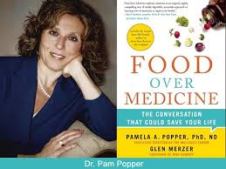
There are lots and lots of books related to health and dieting but there are a few authors who have the courage to say things as they really are. What do I mean by that? Doctors who publically raise the issue that the health system in the United States is not a health system but a sick system considering the influence of the food and pharmaceutical industries in our decision making, food politics and lack of clear information to consumers like you and me. This is the reason I got interested in Dr. Pamela Popper.

I first heard about Dr. Popper watching the documentary “Food Choices” and later on I read her book “Food as Medicine” where she talks about these specific aspects: food as a way to avoid diseases, over medication and lack of honest information for consumers. So to make the story short, I had the incredible opportunity to interview Dr. Popper and ask her about specific parts of her book which now I can share with you. The full interview was 40 mins so I decided to summarize the session and show you the highlights. Everything I write and share is with a high dose of love and dedication so I hope you find it useful.

MXO: Dr. Popper you are an advocate for a plant based diet. Can you briefly, in layman terms, explain why you recommend this diet?

Dr.Popper: Well, there are two major  examples to show why this diet is the best for humans. The first thing is that if you look around the world, there are still a few places left where the diabetes rate, cancer rate, heart diseases rate are very low, and these people eat a plant-based diet, and this should be a clue. I mean our health statistics in the United States are terrible, we are eating a diet that is comprised of animal foods and processed foods so that is a clue. Another very significant clue we have is a growing number of studies where using a plant-based diet has shown to stop the progression of or reverse conditions like diabetes, coronary artery disease, even some cancers, so between those two we have a pretty powerful case we can make for eating a plant based diet.

MXO: What do think about animal protein? Do we really need it?

Dr. Popper: There are economical reasons throughout history to explain why eating animal protein became popular. In wealthy areas, people would eat more and more animal foods, and it was considered the food of rich people which many aspires to. And it’s an honest inverse relation between the increase of animal food intake and the health status which goes down at the same time, so that is what’s actually happening. We have been told that we need animal protein and this is mythology. My take is that there is no compelling reason to include it in the diet. For people like me who don’t eat any of it, I am not missing out on something, I am not going to be deficient in anything. For people who insist that they must have some, then at least limit it to the amount that is eaten by people who live in areas of the world where they have significantly better health.

MXO: Moving away from animal protein also means we need to bring more variety of food in our plate. What can you advise people to start diversifying their foods?

Dr. Popper: I have a lot of clients is my wellness center who are picky eaters and what I tell them is that variety is a luxury of western civilization. The story of a specific person comes to me, a guy who had very compelling medical reason to change his diet, he was scared to death. Right away he said to me “I don’t like the food that you eat” however, I am willing to do it. So I said to him “every so often I would like you to try something that is just new”, we went through the foods that he likes (that are healthy) and he started adding new ones every now and then. Last time I saw him he said “Guess what? I ate kohlrabi” and I thought, now he is getting adventurous! I can see that giving him a comfort zone to start from and get more adventurous later on was the way to go.

I also tell people they need to have this visualization in your head, when you go into the grocery store, farmer’s market or whatever, I want you to think about food as drugs as my book Food over Medicine like this: There are some vegetables that are called cruciferous vegetables, I want to choose a couple of those “drugs”, there’s a class of fruits called stone fruits, so pick some of those “drugs” too (peaches, cherries), then we have leafy greens, this one is a great set of drugs too, tubers, etc. When you start seeing these foods as foods that can heal your body, and maintain your body, this will make a huge difference.

MXO: Let’s talk about over testing and overmedication. You mentioned in the book that many times patients are asked to get a lot of unnecessary tests that can actually cause health problems such as infections or simply create unnecessary panic. What would you recommend to people when they are faced with this situation?

Dr. Popper: Well, unless it is an emergency, If I was in a car accident and I am bleeding, I don’t want a bake potatoe and a copy of the China Study (Study about effects of nutrition in health), I want to be taken to a hospital and get the best of western medicine: anesthesia, drugs, surgery, anything that is required. Most of the time medicine is about sitting in a doctor’s office and been told to take this drug, do this treatment, get this test, so the answer (from consumers) should be “that’s an interesting idea, I want to research about this information you are giving me so please provide me with information sources that back up what you are advising me to do. Once I review it I will come back to you with my decision”. Medicine should not be about a patient agreeing to anything the doctors says, we need to ask ourselves: what are the side effects of taking the drugs or having a test done? Will the testing reduce my risk of dying? If the answer is no, then don’t do it. Basically, assess the risks and the benefits of doing what the doctor is advising. If you buy a house in this country, you make sure you understand all the details of the house and the commitment you are getting yourself into. It should be the same approach.

MXO: How can health coaches work together with medical professionals to improve the health of the population?

Dr. Popper: There are good medical professionals who are out there and take their profession very seriously. Some even take nutrition classes which is great. What health coaches can do is to empower the patients, prepare them to have a real conversation with their doctor, to help them look at everything: is this a good idea or a bad idea? ask more questions and take control of the situation.

Health coaches can help educate consumers and guide people through habit change in a way it is sustainable and lasting.

I am grateful that I had the chance to talk with Dr.Popper and be able to share valuable information with all of you. If you want to learn more about her work visit her websites: http://drpampopper.com/ , http://wellnessforumhealth.com/about/dr-pamela-popper/ .


Hasta la proxima!


The interview with​ Dr. Pamela Popper

Hi there my friends!

Even though Irma got me a bit distracted (more than distracted), I have not forgotten what I promised: the key highlights of the interview with Dr. Pamela Popper. So stick around, because my next post is ALL about her (Monday). This is why you should be interested in this:

imgres 1. Internationally recognized naturopath and expert in nutrition (her work and research is applicable outside the United States)
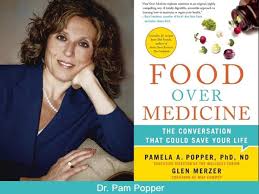
2.  Lobbyist and public policy expert who works consistently to protect the rights of consumers of the health care system in the United States (for those who live in the U.S, you know the challenges to have reliable high-quality services)

3. Author of different books related to health and one of the lead experts in the documentary Food Choices (2016)

You want to know more? enjoy the weekend and expect my blog next week!


See you soon!


Interview with Dr. Pamela Popper

imgres

Hi there my friends!

I am sure that almost everyone admires an author and secretly wishes to have the chance to have a conversation with this person at some point in their life. Well, ladies and gents, I have the incredible opportunity to have this conversation with a medical doctor who I follow and admire deeply.  Dr. Pamela Popper is an internationally recognized naturopath, expert in nutrition, medicine and health, who lives in Colombus, Ohio. She has been featured in different documentaries like “Food Choices” and “Processed People”.  Click this link Dr. P Popper profile in a nutshell for a brief description of her profile. Why am I excited about this? Because she shares nuggets of wisdom that are relevant to all of us:

  1. Why a plant-based diet is an ideal diet
  2. Changing our relationship with food
  3. Being an informed consumer

The session was about 40 minutes but to make it easy for you (I know everyone is busy), I transcribed the interview and extracted the highlights so it is short and straight to the point. (If you wanted to see the video interview, I am happy to share it, just let me know by email)

For the record, I am not being paid by her to share this information, I am only doing it because I trust her expertise, knowledge and more importantly I trust her judgment. She says things are they are and doesn’t have issues with making a bit of noise. The interview is available for subscribers to my site, so don’t be shy and subscribe. This will also provide you access to more content that is specifically designed for those who want to live fully and happily.

When is it coming? next week!

You can also email me and I’ll subscribe you: mxospina@nourishmegood.com.

Hasta pronto!


Proteína o Proteína + Fibra?

images-3

Por muchos años he escuchado que la mejor manera de tener una dieta saludable es consumir menos carbohidratos y más proteína. Creo que no soy la única que lo ha escuchado. De hecho hay bastante información que lo asegura. Yo nunca he seguido una dieta especifica pero si soy consciente de incluir carbohidratos complejos y proteína en mi dieta, la mayoría ha sido proteína animal. (Hasta hace unos meses que comencé a hacer algunos cambios) Entre mas profundizo en el tema buscando maneras de mantenerme energizada, sana y en forma, continúo encontrando información que me lleva a la misma conclusión: una dieta basada en plantas es la más recomendada para mantener una salud prolongada y duradera. También es rica en proteínas así que no hay razón para creer que la mejor manera para nutrir nuestros cuerpos sea solo consumiendo proteína animal (carnes rojas, aves, pescado, huevos y lácteos).

Otro punto que debemos considerar es que todos tenemos necesidades nutricionales diferentes. (Diferentes necesidades proteicas para mujeres, hombres, niños y bebes) El estilo de vida también juega un papel importante: Si eres una persona activa físicamente, si quieres perder peso o si eres un sedentario también determinará cuanta proteína (y energía) es necesaria. En conclusión, se trata de mantener un balance.

Ok, esta información esta clara. Sin embargo, cuando sigo investigando fuentes confiables de información para determinar si estamos consumiendo mucha proteína o no, hay mucha confusión. En algunos artículos y estudios se dice que necesitamos comer más proteína y hay otros tantos que dicen que ya consumimos suficiente proteína. Así que a quién le creemos?

clean_labels_1

Supongo que la respuesta más simple es decir que todo depende de quién paga por el estudio y publica la información. Desafortunadamente, hay demasiada publicidad (escondida en forma de estudios científicos en revistas coloridas y otros medios) que nos hacen creer que necesitamos mucha proteína animal. No me malinterpreten, por supuesto que necesitamos la proteína, esta constituye los bloques básicos de la vida. La necesitamos para reparar las células y crear nuevas células además de funciones importantes de crecimiento y desarrollo en nuestro cuerpo. Pero la proteína animal no es la única ni la mejor fuente proteica disponible. De hecho, la proteína animal ha sido vinculada por años con elevados niveles de colesterol (debido a las grasas saturadas), inflamación a nivel celular, proliferación de células cancerígenas, diabetes y problemas de riñones además del hecho de que no aportan fibra en nuestra dieta.

Cual será una opción más saludable? Proteína basada en las plantas. No solo aporta a nivel proteico, sino que también aporta fibra. En las actuales dietas occidentales, es más común tener menos fibra y más proteína, así que si eres de los que se preocupa por no estar consumiendo suficiente proteína, de pronto es mas útil enfocar tu atención en consumir alimentos con proteína + fibra.

Estas son mis recomendaciones (algunas seguro ya las saben) para que las tengan en cuenta y las incluyan en sus comidas de la semana y le den a su cuerpo un descanso de la proteína animal. Al hacer esto, también te ayudará a reducir el consumo de grasas saturadas.

images-1

  1. Legumbres

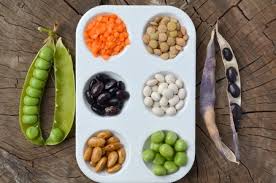
Siendo colombiana, esta es mi primera opción. (Ya estoy experimentando con una versión mas saludable de la famosa Bandeja Paisa sin chicharrón y chorizo por supuesto). Hay muchas variedades de legumbres (frijol rojo, frijol verde, garbanzos, lentejas y mucho mas). Estos son ricos en fibra, te mantienen satisfecho por más tiempo y además cada uno tiene sus propiedades para la salud:

Lentejas – Excelentes para combatir el cáncer. Están cargadas de folato y magnesio. Muy recomendadas para prevenir enfermedades cardiacas.

Fríjoles rojos – Ricos en antioxidantes y omega 3 (ácidos grasos poliinsaturados). Ayudan a combatir Alzheimers.

Fríjoles negros – Ricos en antocianina la cual ayuda a proteger las funciones cerebrales.

Garbanzos – Cargados de fibra la cual ayuda a mejorar los niveles de azúcar, lípidos e insulina en la sangre.

Hay muchas mas variedades así que atrévete a degustar otras legumbres.


  1. Quínoa

Una de mis favoritas. Yo solía comer arroz blanco y desde que conocí la quínoa fue prácticamente amor a primera vista. Es un grano sin gluten (técnicamente es un semilla) con alto contenido proteico que también se usa como carbohidrato y es uno de esos pocos alimentos que contiene los nueve aminoácidos esenciales. Yo la consumo por lo menos dos veces por semana, se cocina como el arroz blanco y se puede dar el sabor que uno desee. Va muy bien con ensaladas, sopas, como acompañante y hasta se puede consumir como un cereal. Hay diferentes tipos; yo prefiero la blanca y roja. En los últimos años se ha puesto de moda pero la verdad es que la quínoa se ha consumido por mucho, muchos años.

  1. Levadura nutricional

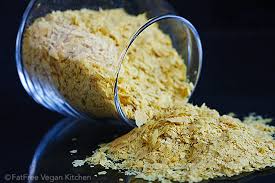
Esta es algo totalmente nuevo para mi. Además de sus aportes de proteína, también esta cargada de vitaminas B. Es una forma inactiva de levadura (diferente de la que se usa para hornear) que viene en hojuelas. Normalmente se mezcla con agua o leche de almendras y nueces molidas y tiene un leve sabor a queso con nueces. Esta es la versión vegana de una salsa de queso. Hace poco prepare una receta con levadura nutricional y me estoy acostumbrando a su sabor y textura. Algunas personas les gusta ponerla en las ensaladas, pasta y platos a base de arroz.

imgres-1


  1. Nueces

A quién no le gusta las nueces? No solamente están cargadas de proteína, también son ricas en minerales, vitamina E y acídos grasos sanos. Las puedes consumir en barras de cereal, untadas en la tostada (mantequilla de almendras o maní), en granola, platos a base de arroz y ensaladas.

  1. Tempeh

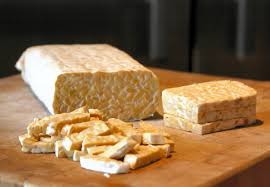
Este también es nuevo para mi. Tempeh es un producto originario de Indonesia a base de soya fermentada. (similar al tofu) es rico en calcio, manganeso, cobre, fosforo, y vitamina B2. Existe controversia alrededor de los productos a base de soya porque en los Estados Unidos muchos de estos productos son altamente procesados y los granos de soya has sido modificados genéticamente. Sin embargo, Tempeh, es mucho menos procesado así que es más sano y seguro. Ayuda a reducir el colesterol malo y a combatir las células cancerígenas. Se puede asar, hornear, fritar y hasta comer crudo. Para más información sobre este tema, les recomiendo que lean el blog de Dr. Mark Hyman. Ya antes lo había mencionado en mi blog. Sus comentarios con respecto a los diferentes estudios que se han realizado sobre la soya (orgánica y procesada) son bastante dicientes para los que tienen dudas al respecto.

imgres

En este momento estoy experimentando con todos estos ingredientes y por supuesto puede ser algo intimidante cocinar con nuevos ingredientes pero hasta el momento todo va por buen camino. Con decirles que hasta mi esposo que le encanta la carne roja esta también integrándose a los cambios (poco a poco por supuesto).

Personalmente, puedo decir que estas opciones me llenan de buena energía para entrenar y para realizar mis actividades durante el día. No estoy lista para convertirme en vegetariana o vegana (todavía) pero debo admitir que me siento increíble. Mi digestión ha mejorado muchísimo, mis niveles de energía son altos y hasta siento que estoy perdiendo peso. Si te interesa saber más sobre los beneficios de una dieta basada en plantas y como puede mejorar tu salud, te recomiendo mucho al Dr. Neil Barnard. Además de ser un medico muy reconocido en temas de nutrición, también es el presidente del Comité de Médicos para la Medicina Responsable (Physicians Committee for Responsible Medicine).

Cual es mi recomendación? Que trates de comer 3 días proteína animal y 4 días de proteína vegetal y veas como te sientes. Todos somos diferentes y lo que le funciona a una persona no necesariamente le funciona a otra, así que es importante tener esto en cuenta en el proceso de variar nuestras fuentes de alimentación.


Esto es todo por ahora, no te olvides seguirme en Facebook o Instagram para ver algunos de los platos que estoy cocinando. Si también estas experimentando en la cocina, compártelo conmigo, me encantaría saber de ti.

Feliz semana!

Sweetened or unsweetened?

images

By no means this is a reflection of my music preferences, but I am very sure you have heard this song at least once in your life: “Sugar..oh honey honey, you are my candy girl and you got me wanting you..” (By The Archies and the Spanish version is sang by Magneto and Mercurio, look for it on Youtube just to refresh your memory, yes I know is a cheesy song). Have you noticed all the songs and expressions used worldwide that have to do with sugar? (sweetheart, honey, sugar daddy, sweet revenge) Even better, do you realized that as human beings when we wish to celebrate or cheer someone up or say I am sorry, we tend to choose sugary foods to show our appreciation, love, and care for others? When I was little, I remember when my dad used to take us for ice cream and it was a real treat (even if you knew that he could easily be tempted to bite your popsicle once he was done with his own). It seems like all through our lives sugar has been a silent close companion, it’s always there to make us happy and make everything better. However, we know it’s the cause of many diseases: obesity, heart disease, diabetes and attention disorders in children among other health issues.

So if we know how harmful it is for us, why is it that we eat it so much?

images-26

Because in the society that we live in, it’s very hard to ignore it. We are constantly bombarded with savvy marketing campaigns and advertising that entice us to eat and indulge in it. Also the fact that we have lived eating sugar throughout our lives (birthdays, Christmas, weddings, valentines and the list goes on and on) it makes it almost impossible to be sugar-free or let’s just say moderate. In the United States, companies spend $17 billion annually marketing to children[1], a staggering increase from the $100 million spent in 1983.[2] Even when taking into account the net present value of $100 million over 34 years, it still equates to a 300% increase in Marketing.  Companies know that by “investing” early in the young consumers, it will create adults that will be hooked on their products from an early age. That’s’ a smart strategy. It’s not a surprise that in this country children obesity is an epidemic. And let’s not forget that about 40% of the population in the US is considered obese. According to the WHO, in the world “in 2014 more than 1.9 billion adults 18 years of age and older were overweight and of these 600 million were obese.” (Clearly, fat foods also are an important factor)

On the other hand, we have our own habits that make it also hard to overcome. Personally, I have a sweet tooth (and my husband is even worse). It has been a constant battle because I know it’s not good for me, but at the same time, it makes me so happy when I have a brownie with vanilla ice cream! So difficult! (Why is it that we don’t crave spinach?) However, going through this path of becoming a healthier version of me, I discovered that I could do some changes to set myself for success.

What are the healthier alternatives?

  • Choose dark chocolate instead of milk chocolate (It was an acquired taste and I totally love dark chocolate now)
  • Choose honey, stevia or agave to sweeten my food. (Sugar is not welcomed in my home)
  • Buy more sweet fruits and veggies and experiment baking cookies, cakes and making ice cream
  • Eat more dry fruit (but be careful because some dry fruit are high in calories, when you buy them, look at the label and check the recommended portion size)

I think we can still enjoy the sweetness of what nature has for us with simple sugars instead of processed sugars.

Be mindful that sugar is not only present in cakes and candy, many processed foods are loaded with sugar (canned food, processed meats, dairy) so make sure you read the nutritional facts label to check the sugar content before you buy it.


images-21

Another great source of information is MD. Mark Hymann, the best-selling author, Director at the Cleveland Clinic Center for Functional Medicine, internationally recognized for his studies in childhood obesity and food addictions among other topics. He is well known and respected for his research about food addictions, especially to sugar. He explains there is evidence that sugar can be as addictive as heroin. When we eat sugary food, it leads to dopamine release associated with pleasure and reward in the brain. The more sugar we eat, the more tolerant we become. So with time, we need to eat more sugar to find pleasure. There is a lot of literature about this topic, so I encourage you to read and find more information on your own.

My recommendations above are only for the purpose of reducing consumption of processed sugars, so you need to be aware that even with these less processed options, moderation is the key. (I don’t treat myself every day because that means it’s not a treat) Sugar is hidden in many foods and drinks we consume so let’s be more conscious of what we put in our bodies and how we feed our families. Healthy snacks for kids and the family could be as simple as homemade fruit ice pops or oatmeal cookies. Kids can be enticed to eat certain foods but you are the one in control of the ship.


Personally, I love to experience cooking with my nephew, he gets excited to see what colors and tastes will be part of the treats we do together. It is a fun and bonding experience that I hope he can extend to his own family when he grows up.


IMG_3623

If you like this blog, share it and let me know what you think on my Facebook page. Alternatively, you can follow me on my website.

Hasta pronto!


References
[1] James McNeil quoted in Horovitz, B. (2006, November 22). Six Strategies Marketers use to Make Kids Want Things Bad. USA Today, p. 1B. Retrieved March 2, 2008, fromhttp://www.usatoday.com/money/advertising/2006-11-21-toy-strategies-usat…
[2] Schor, J. (2004). Born to Buy: The Commercialized Child and the New Consumer Culture. New York: Scribner, p. 21.


Healthy lifestyle habits

imgres-7

The other day I was listening to a woman in the elevator talking to someone on the phone and she was saying to her friend something like “well, you know how it is, marriage is like a roller coaster, it has ups and downs…” and that got me thinking I should write about what I call spiritual nutrition and how this connects with nutrition in general.

For the record, I don’t consider myself enlightened, but being the curious, emotional woman that I am, I reflect frequently about how to improve my relationships with the people around me in the world we live in.

Something that has really helped me in the self-reflecting process is the meditation practice. I was lucky to complete a 10 day meditation retreat (Vipassana Meditation) in 2004 in Sydney, Australia and it was the beginning of a calmer and happier me. Since then, I make an effort to meditate during the weekdays (unless I am sick or something extraordinary happens) for 15 minutes or more if I have the time. How does it help me? It helps me to reduce anxiety, be focused, calmer, to let go and enjoy the here and now. I should probably add here that to make the meditation practice a successful effort, its important to complement it with the teachings of the Buddha and practice meditation with a group (in Buddhism it’s called Sangha), so I also dedicate time to read, join the Sangha (not as often as I want to) and attend live sessions with spiritual leaders to improve my understanding in this topic. Being born in a catholic family shaped my values and beliefs but I always felt it lack something. I am not going to go into the details of the aspects about Catholicism that I don’t believe in or I don’t relate to, but I can say the more I read and study Buddhism, the more I connect to it. For the purpose of this blog (Because I could easily write a lot about my appreciation for Buddhism) what really speaks to me is the understanding that we have the power to be happy within ourselves. The fact that we have the power to be active and not reactive in our relationships with others and the world in general.

Think of this: When you get angry, have you ever had that feeling inside your gut when you are just about to yell or scream at someone? It’s almost like a click that turns on inside you making you feel hot as if smoke will come out of your ears in a second. This is the time when you have two choices (even though things happen really fast in your brain and you don’t really see the two choices immediately):

images-19

Choice No. 1. React with aggression, say everything that comes to your head without thinking of the consequences, quickly looking for words to offend your opponent and defend yourself.

Choice No. 2. Breath in, breath out, acknowledge the heat inside your body and don’t engage in aggressive behaviour. See the other person with compassion and decide its better to cool off before saying anything else you will regret later.

images-20

Personally, when I get upset, I feel the heat inside my head and I know in the next second I have to make a choice: should I put on my boxing gloves? Or should I just let it go and find another time to choose my words better? It’s not always easy but I have a choice. This is exactly what I mean by becoming active and not reactive. So the question is how do we train our mind to see things with this light? Meditation practice.

You don’t need to change religions to learn how to meditate. But it is crucial to act with intention. How can we expect others to act with wisdom and compassion if we don’t practice it ourselves?

So going back to the roller coaster comment, I could not agree more. Marriage is like a roller coaster, it has ups and downs but we have the choice to make the ups more enjoyable and memorable and the downs less intense and destructive.

Being a healthier person is not just about the physical food you eat, our emotional health is very important, meditation is one way to detox your mind and create the space to be calmer and content. There are different meditation schools and practices; I can suggest these ones: The Diamond Way Buddhism , Bodhy Path , and Vipassana Meditation. But be active and look for other options, you don’t need to start this path alone, there are more people than you think interested in practicing meditation.

Having clarified this point, I want to share with you healthy food options that would help you to focus when you start your meditation practice:

  • Have a herbal tea like ginger and lemon, mint or chamomile before you sit down in your quite area to meditate. Having a full stomach will make it very hard to focus
  • Plant based diet is the ideal option because its lighter and it will not take that long to digest. (Grains, vegetables, fruits, legumes, seeds) If your body is too busy breaking down the food, your attention will be diluted
  • Avoid drinks which are high in sugar and caffeine, they will get you agitated

Now that you have this information, I hope you share with me how’s your meditation practice and what type of healthy foods are you including in your diet. Don’t be shy and share it here.

Hasta pronto!


Healthy living tips

imgres-3As I keep digging into the subject of nutrition and the present health crisis we are facing, I realized from a consumer’s perspective, we have been so misinformed and misguided for many years. I knew there are political forces and corporations’ interests behind many of the food options that are available to us. However, I never thought it was to the extent it is today, which only makes me reflect even more about the fact that we need to become more aware of what’s offered to us to be able to make intelligent decisions about our health.

Also, there is contradictory information about what’s good and bad (animal protein, dairy, gluten), and to top it up there’s a lot of diet books in the market that promise miracle results. Lots of confusing information. So, whom do you trust? Your doctor? Your friends? Your family?

I don’t have the magical answer but I can surely share some facts with you that personally have opened my perspective about the topic. We tend to think that if our family or friends or both are making the same or similar choices and it’s working for them, why would you need to think differently? I will tell you why: because we are getting ourselves sick with the food choices and lifestyle that we choose. Many of the chronic diseases around the world such as cardiovascular disease, obesity, diabetes and cancer can be prevented even if we have a genetic disposition to get the disease at some point in our lives. It is not true that because there is a history of heart disease in the family, you are condemned to suffer from the same condition. There are different health sites including medical studies, research papers, documentaries, articles that explain the close relationship between nutrition and lifestyle with chronic diseases. I want to share some of them in this blog.

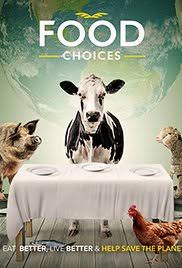
If you like to watch documentaries, I strongly recommend Food Choices (http://www.foodchoicesmovie.com/), available on Netflix, it is very informative and definitely eye opening. It includes topics such as the worlds’ diet, and how our food choices affect our health and the planet.

imgres-4

Now, if you prefer to research yourself, I recommend Dr. Pamela Popper,  she is a naturopath, internationally recognized expert in nutrition, healthcare and medicine. There is plenty of information about her work online. What I like about Dr. Popper is the fact that she has no issues in saying things as they are. She has criticized government organizations, health associations and even private sector like pharmaceutical companies for their role in misinforming and misguiding the public. In her book Food over Medicine she emphasizes that we need to become educated consumers, and this is exactly what I am doing with this blog. Most of us live in “auto pilot”, we think that making changes is very hard, and I wont lie, it takes commitment, but its so well worth it that you would hate yourself when you find out how good you feel and look after you readjust to a healthy diet and lifestyle.

For some people, its easier to make changes and for others isn’t. This is where a health coach can help significantly; to rethink you approach to food and find alternative ways that are sustainable.

My take is that we all need to take responsibility for our own health. Being aware of the fact that we don’t have direct control over government food policies (even though we could protest if we really were that motivated), mass media influence, corporations’ power, its crucial that we empower ourselves to control what we can.


imgres-5

What is in our control as individuals? The food we buy and eat. Finding moments to become more active, not necessarily going to the gym if that’s not your cup of tea (I will write a full blog on this topic another time), and create or nurture a spiritual practice. All of them equally important. For now, I just want to motivate you to find more information on your own.

Who cares if others think you are getting too geeky when you start questioning your food options, your medical doctor or your Sunday lunch. You only have one body in this life so its time we take action. In the meantime, I will be here sharing all the information I find useful.

If you have time, I also recommend you check The Institute for Health Metrics and Evaluation (http://www.healthdata.org/results/country-profiles), there is a lot of information in this site, but the one I am more interested in, is the country profile. You type in the country name and it will show a comparison of the health profile between 1990 and 2015. You can see the mortality trends, top causes of death, top causes of premature death and disability among other information. It’s not surprising to see that heart disease, cerebrovascular disease and cancer are consistently in the top ten.

I hope this blog shed some light about this topic and helps you realize that to become a better version of ourselves, we need to be informed, active, curious and don’t swallow whole.

If you like this blog, don’t forget to share it and follow me.


Hasta pronto!