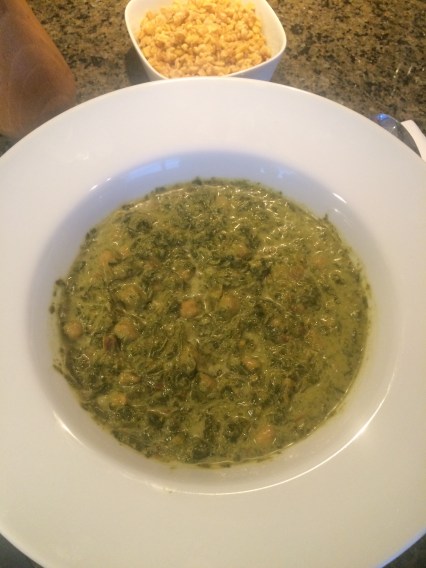
Vegan Chana Saag

IMG_5241

By Chef: Del Soufre (Forks over Knives Cookbook)

Servings: 4

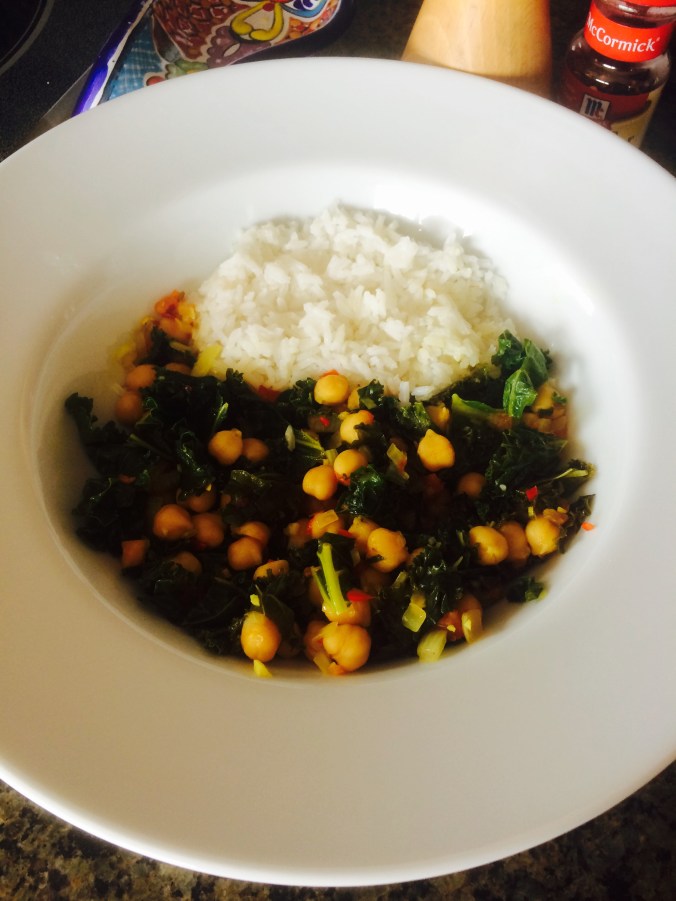
Remember the Chickpeas and Kale India style recipe? well, this is the original version and I must say I loveee spinach so this one would be my choice No.1.  I made slight changes to the original recipe: changing the almond milk for coconut milk and adding coconut oil. Spinach makes it creamy so the texture is very smooth. As it has lots of spices, it is cooked the Ayurvedic way, which means the spices are cooked first (with the yellow onion) to release their amazing aroma and increase their properties.

Continue reading

The interview with​ Dr. Pamela Popper

Hi there my friends!

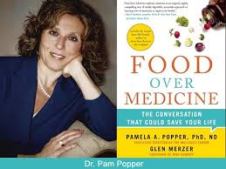
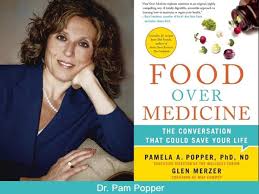
Even though Irma got me a bit distracted (more than distracted), I have not forgotten what I promised: the key highlights of the interview with Dr. Pamela Popper. So stick around, because my next post is ALL about her (Monday). This is why you should be interested in this:

imgres 1. Internationally recognized naturopath and expert in nutrition (her work and research is applicable outside the United States)

2.  Lobbyist and public policy expert who works consistently to protect the rights of consumers of the health care system in the United States (for those who live in the U.S, you know the challenges to have reliable high-quality services)

3. Author of different books related to health and one of the lead experts in the documentary Food Choices (2016)

You want to know more? enjoy the weekend and expect my blog next week!


See you soon!


Las lecciones que aprendí de Irma  

IMG_5137

Si no hubiese sido por la desagradable visita de Irma, habría sido un domingo muy relajado y calmado, probablemente al lado de la piscina o haciendo un asado con amigos.

Sin embargo, para ponerle “picante” al fin de semana, tuvimos la visita de Irma. Como ya saben, afortunadamente para los que vivimos en Miami, el huracán cambió su ruta, y no fue tan devastador como pensamos inicialmente. (Estoy convencida de que mis oraciones y las de todos a mi alrededor ayudaron también). Quiero decir que empecé a escribir este blog mientras estaba en el hotel junto con otras 400 personas quienes tuvieron que evacuar sus casas (En Miami o los Cayos de la Florida) o que simplemente estaban en Miami por vacaciones o en tránsito esperando su vuelo de regreso a su ciudad o país de origen. Todos juntos por la misma razón: protegernos de Irma. Una enorme fuerza de la naturaleza que no le importó si eras saludable, enfermo, rico o pobre, realmente no importaba. Todos preparados para lo peor y esperando lo mejor.

Esta ha sido mi primer experiencia seudo apocalíptica que he tenido y siento que me prepare lo que mas pude: Se pusieron las persianas anti huracán, se pusieron las toallas en el piso para absorber el agua que entrase, se movieron los muebles y aparatos eléctricos, se guardaron los documentos personales, se aseguraron los carros, hasta comida saludable empaque en un cooler que llevamos al hotel. Diría que los preparativos para la llegada de Irma se completaron a rigor.

Sin embargo, una vez comenzó la tormenta, otros puntos a considerar fueron más obvios y solo podía prepararme para ellos en el mismo momento en que pasaba la tormenta y miraba lo que la naturaleza hacia afuera del hotel. Muchos pensamientos me pasaron por la cabeza: Espero que no nos quedemos sin energía, y si esto pasa, que alcance a comunicarme con mi familia, espero que mis amigos que se quedaron en Miami y Ft. Lauderdale estén seguros, a donde van a ir los pájaros y las iguanas del parque? Será que se inundó el apartamento? y asi muchos mas.

IMG_5133

Solo tenia 50% de bateria en mi portatil asi que decidi enfocarme en las cosas que puedo controlar y dejar a un lado las que no. De esta manera empecé a interactuar con otros que en condiciones normales probablemente nunca hubiera cruzado una palabra. Una pareja italiana de vacaciones en Miami Beach que les tocó quedarse por culpa de Irma, una señora argentina que también le tocó quedarse porque su vuelo de regreso a Buenos Aires se canceló, una familia cubana americana de 15 personas que estaban super preparados con comida y no les importaba compartir con los demás, un americano que cuidaba a su mamá y su hermana, gente de diferentes tamaños, razas, con mascotas, con niños, viajeros solos, cada uno con una historia diferente que contar. Lo único que seguro en ese momento era que: no había electricidad, había agua, el generador de energia del hotel estaba funcionando (solo en áreas comunes y de emergencia) e Irma estaba pasando. Podía escuchar el viento como azotaba las ventanas, los árboles luchando por no despegarse de la tierra, hasta los inodoros hacías ruidos raros. Sabía que la situación era temporal y que iba a finalizar en algún momento pero esas horas fueron tensionantes. Fue en este momento cuando puse en acción lo aprendido durante mi práctica de meditación para mantenerme tranquila: respiración abdominal, ejercicio físico, (entrene el sábado en un lugar tranquilo en el hotel y el domingo subí hasta nuestra habitación en el 4 piso unas cinco veces a diferentes horas del dia para mantenerme en movimiento) y lo más importante de todo, fije mi intención de aprender de esta experiencia.

IMG_5135

Asi que, que aprendí con la visita de Irma?

  • A aceptar las cosas tal y como son
  • A saber identificar cuando estoy a punto de entrar en pánico y actuar rápidamente
  • A utilizar mi inteligencia emocional para manejar la situación de nerviosismo e incertidumbre de la mejor manera
  • A entender que mis pensamientos y emociones son pasajeros, hacen parte de la percepción de mi realidad inmediata y no deben controlar mis acciones
  • A ser creativa y buscar maneras de mantenerme activa y entretenida
  • A ser una persona compasiva y calmada para los que me rodean
  • A no juzgar sin antes conocer
  • A aceptar la generosidad de desconocidos y no asumir que siempre buscan algo a cambio

Muchas lecciones que pasaron en 3 días y todas llegaron en su momento preciso. En la noche del domingo termine de escribir el blog con  ayuda de una linterna sabiendo que Irma iba en dirección hacia el norte y que al día siguiente íbamos a estar más seguros. Fue una experiencia intensa que me hizo pensar que como seres humanos somos muy vulnerables y debemos disfrutar más de la vida, reirnos más, amar más, estresarnos menos y quejarnos muy poco. La vida es corta y quiero apreciarla y vivirla lo máximo que se pueda. Estoy segura que muchos de ustedes también quieren lo mismo.

Que maravilloso fue poder verle la cara a las personas en vez de verlos mirando a su teléfono constantemente! La gente estaba conectando con otros mientras pasaba la tormenta, aunque no estaban precisamente unidos por una razón de alegría, estaban presentes en ese momento. Había incertidumbre y miedo pero también había amabilidad y compasión.

Quiero terminar este blog con las sabias palabras del líder espiritual de la India  Paramahansa Yogahanda, que me han llegado al corazón y alma y trataré de traducirlas lo más exacto posible ” “Abre las puertas de tu calma y deja que los pasos del silencio entren suavemente el templo de tus actividades”. Este pensamiento lo practico en mi vida diaria y creanme que en esta situación, que fue muy estresante, me ayudo muchisimo. Sigo trabajando para aumentar mi calma y ayudar a otros a que la encuentren y la alimenten en sus propios caminos. La meditación o cualquier otra práctica espiritual es alimento para el alma, tan importante como la comida con la que nos alimentamos.

Tienes alguna práctica espiritual? Si es asi, me encantaria saber cual es. Si no la tienes, no te afanes, yo te puedo guiar.

Hasta la proxima!

No olvides compartir este blog y suscribirte a mi pagina web para recibir mas tip que nutran tu cuerpo, espíritu y te ayuden a vivir plenamente.

Un abrazo fuerte,


Lessons’ from Irma


IMG_5137

If it hadn’t been because of the unpleasant visit of Irma, it would have been a very relaxing quiet Sunday, probably by the pool or having a BBQ by the beach with friends.

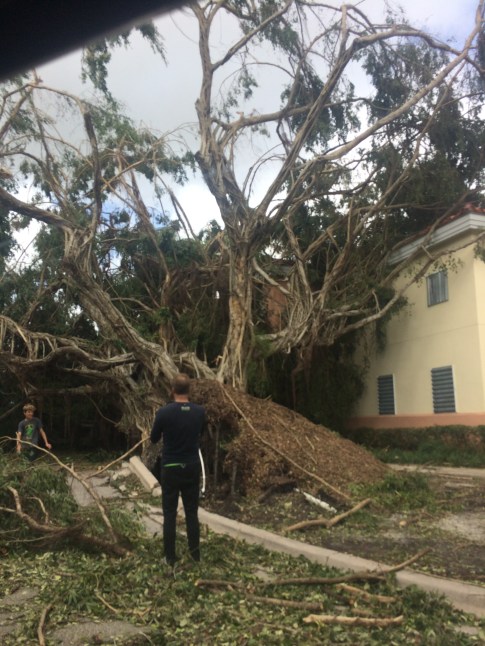
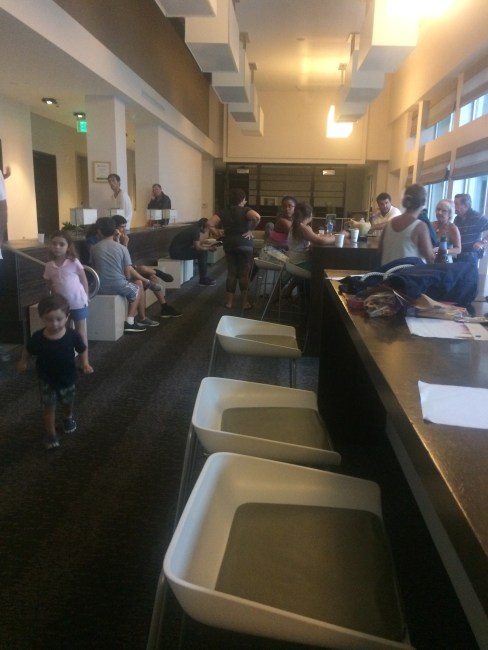
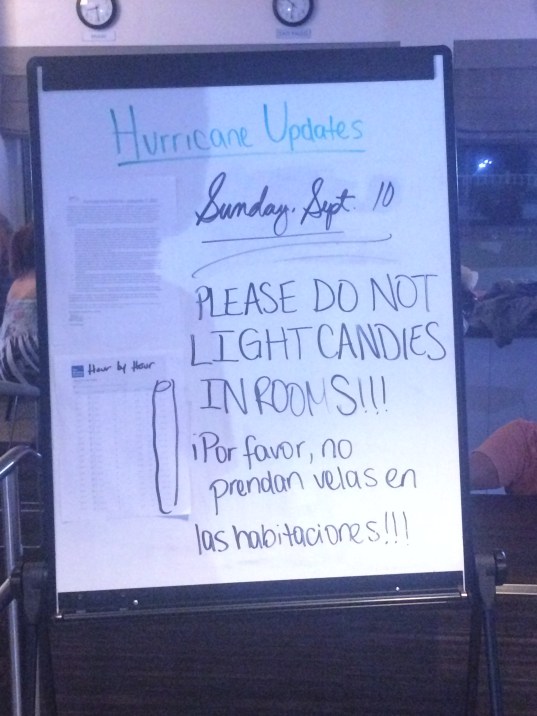
However, to spice things up a little, we had Irma’s visit. As we all know, fortunately for us in Miami, it changed its route and it wasn’t as devastating as we thought it was going to be. (I am convinced all my prayers and those of all around me helped too). I want to say I started writing this blog while we were in the hotel with another 400 people who had to evacuate their homes (in Miami or the Florida Keys) or just happened to be in Miami for a holiday or due to a layover trying to get to their homes in other cities and countries. All of us together for the same reason: protecting ourselves from Irma. A massive force of nature that didn’t care if you were healthy, sick, rich, poor, it didn’t really matter. All of us hoping for the best but prepared for the worse.

This was my first pseudo apocalyptic experience and I felt we prepared for it as much as we could: shutters were up, towels covering the floor to absorb any water, furniture and electronics moved, personal documents in a safe place, cars secured, even healthy food in the cooler. All the physical stuff was secured, I would say the pre-Irma preparations were completed.

But once the storm began, there were other points to consider and I could only prepare for it while I was going through it, while I was looking at what nature was doing outside the hotel windows. Many thoughts crossed my mind: I hope we don’t lose power and if we do, that I can communicate with my family before that, I hope my friends who stayed in Miami and Ft. Lauderdale are safe, where would the birds and Iguana’s at the park go for shelter? I wonder if the apartment is flooded, and so on.

IMG_5133

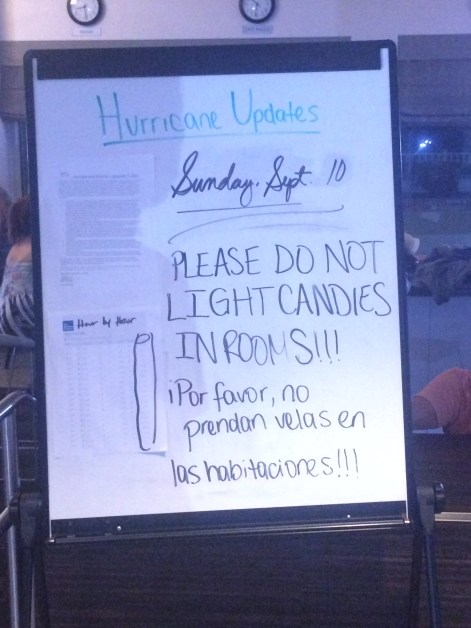
I only had 50% battery on my laptop so I thought instead of focusing on the things I can’t control, I will focus on those I can, so I started interacting with others who in a normal situation probably I would have never met. An Italian couple who were on holidays in Miami Beach and were stranded because of the hurricane, an Argentinean lady who was on a layover hoping to return to her country, a full family of Cuban Americans who were more than prepared with food and were happy giving it away to others, an American guy who was caring for his mother and sister, people of all sizes, and colors with pets or alone, all of them with such different stories. The only certainty we had was: there’s no electricity, there’s water, the hotel generator is working (for emergency and common areas only), Irma was passing. I could hear the wind was blasting the windows, the trees were fighting to stay rooted and even the toilets were making weird noises. I knew the situation was temporary and was going to finish at some point but for those hours it was stressful. This was the time to apply what I learned in my meditation practice to keep it cool: abdominal breathing, physical exercise, ( I worked out in a quiet corner on Saturday and on Sunday walked 4 floors 5 times at different times of the day just to keep moving) and more importantly, I set my intention to learn from my experience.
IMG_5135

So what did I learn from Irma’s visit?

  • To accept things as they are
  • To be mindful and observe when I was about to start panicking
  • To use my emotional intelligence to manage the situation (being nervous and uncertain) and breathe in and out to calm my emotions and thoughts
  • To understand that my emotions and thoughts are temporary, they are part of my immediate perception of reality and they should not control my actions
  • To be creative and find ways to keep myself active and entertained
  • To be calm and compassionate to others around me
  • To stop judging the book by its cover
  • To accept the generosity of strangers and don’t think they always want something in return

Many lessons that happened in 3 days and all happened at the right time. On Sunday night, I ended up finishing this blog writing with a flashlight knowing that Irma was heading north and we were going to be safer the next day. It was an intense experience that made me think that as human beings, we are very vulnerable and we should enjoy more, laugh more, love more, stress less, and complain even less. Life is short and I want to appreciate it and live it to the fullest. I know many of you also want the same thing.

How wonderful was that I could see more the faces of people instead of their heads looking down to their phones! people were actually talking to each other, for those hours, even though the reason wasn’t exactly a fun party, people were present in that moment. There was uncertainty and fear but also kindness and compassion.

I want to finish this blog with these words from Paramahansa Yogahanda, the Indian spiritual leader, which resonate with me deeply: “Open the door of your calmness and let the footsteps of silence gently enter the temple of all your activities”. I am applying this thinking in my life and believe me, in this situation, that was very stressful, it helped a lot. I keep working to increase my calmness and help others around me find it and nourish it in their own paths. Meditation or any other type of spiritual practice is food for the soul, just as important as having the right food in our bodies.

Do you have a spiritual practice? If so, I would love to hear from you. If you don’t, don’t worry, I can guide you.

Until next time my friends!

And remember to share this blog and subscribe to my website to receive more nourishing tips on how to live to the fullest.


Bear hugs,


Interview with Dr. Pamela Popper

imgres

Hi there my friends!

I am sure that almost everyone admires an author and secretly wishes to have the chance to have a conversation with this person at some point in their life. Well, ladies and gents, I have the incredible opportunity to have this conversation with a medical doctor who I follow and admire deeply.  Dr. Pamela Popper is an internationally recognized naturopath, expert in nutrition, medicine and health, who lives in Colombus, Ohio. She has been featured in different documentaries like “Food Choices” and “Processed People”.  Click this link Dr. P Popper profile in a nutshell for a brief description of her profile. Why am I excited about this? Because she shares nuggets of wisdom that are relevant to all of us:

  1. Why a plant-based diet is an ideal diet
  2. Changing our relationship with food
  3. Being an informed consumer

The session was about 40 minutes but to make it easy for you (I know everyone is busy), I transcribed the interview and extracted the highlights so it is short and straight to the point. (If you wanted to see the video interview, I am happy to share it, just let me know by email)

For the record, I am not being paid by her to share this information, I am only doing it because I trust her expertise, knowledge and more importantly I trust her judgment. She says things are they are and doesn’t have issues with making a bit of noise. The interview is available for subscribers to my site, so don’t be shy and subscribe. This will also provide you access to more content that is specifically designed for those who want to live fully and happily.

When is it coming? next week!

You can also email me and I’ll subscribe you: mxospina@nourishmegood.com.

Hasta pronto!


Pueden los hombres ser saludables?

emotional-eating

Como ya saben, muchos de nosotros comemos a menudo por fuera de casa (a menos que trabajes en casa). Para aquellos que tienen la disciplina de llevar el almuerzo al trabajo (lo que significa que debes sacar tiempo para planificar las comidas, ir de compras y prepararlas para la semana) los felicito! Pero para aquellos que simplemente no parecen tener suficiente tiempo, viajan demasiado y acaban comiendo en restaurantes 4 o 5 días a la semana es importante saber qué opciones podrían ser más saludables que otras. Mi opinión es que es más fácil para las mujeres (tal vez porque queremos estar en forma y tradicionalmente estamos a cargo de administrar el hogar) decidir qué opciones podrían ser más saludables. Pero qué pasa con los hombres? Les importa comer algo saludable y nutritivo o sólo se preocupan por sentirse satisfechos? Mi opinión es que generalmente, los hombres realmente no prestan mucha atención al tema de la nutrición. Siempre y cuando tenga buen sabor y no tarde mucho en que sea servido, realmente el resto no tiene mucha importancia.

Así que este blog es en realidad para ustedes, hombres, que comen mucho fuera de casa, que tienen horarios de trabajo largos y que almuerzan en la oficina o se saltan comidas. Quieren ser productivos? Quieren ser la la ficha clave en sus reuniones de trabajo? Desean tener claridad mental durante todo el día para tomar decisiones en la oficina? Bueno amigos, déjenme decirles que es posible. No esperen a que su cuerpo se derrumbe, por favor. Atrévanse a demostrarle a las mujeres que estan en la jugada cuando se trata de tomar decisiones conscientes en torno a la forma en que le dan “combustible” a su motor.

Sé que se están muriendo por escuchar mis consejos, así que aquí van:

1. Agregar proteínas limpias a su dieta: Está científicamente comprobado que no necesitamos comer animales para agregar proteína a nuestra dieta. Sin embargo, si usted va a consumir proteína animal, elija las carnes magras y de calidad (los animales que realmente comen comida real). Piensa en esto: estimulantes hormonales, antibióticos y animales alimentados con alimentos transgénicos llenos de herbicidas y pesticidas. ¿De verdad quieres comer esto? Recuerda que comerás lo que esa vaca se comió. (Aparte de la crueldad obvia a los animales) Trata de reducir la proteína animal a la mitad de lo que actualmente consumes y reemplazarlo con legumbres, granos enteros y verduras. Inicialmente, sentirás que es demasiada fibra en tu organismo pero tu estómago se adaptará al cambio (así que dale un par de semanas). La reducción de las proteínas animales (y sus derivados) te ayudará a:
– Reducir grasas saturadas que causan inflamación (que conduce a enfermedades crónicas)
– Menos bacterias destructivas en el intestino y una mejor absorción de los alimentos.
Si bebes leche, sacarla de tu dieta reducirá el efecto sobre tus hormonas, aparte del hecho de que está comprobado que no ofrece calcio como la mayoría de la publicidad nos hace creer. Consulta al Dr. Hymann para obtener más información. La leche es para los terneros no para los seres humanos.
No te asustes si tienes gases o haces del cuerpo varias veces al día, esto es absolutamente normal ya que tu microbioma intestinal se está acostumbrando al cambio. Dentro de unos días, desaparecerá.

2. Bebe más agua: Te sientes con la cabeza nublada durante el día? No me sorprende. Sabías que el cerebro tarda mucho en desencadenar una respuesta para hacernos saber que estamos deshidratados? Por lo tanto, manten una botella de agua en tu oficina y no para mirarla, sino para beberla, en pequeños sorbos cada hora. Nuestro cerebro es 75% agua asi que prestale atención a esto si deseas evitar dolores de cabeza, fatiga y falta de concentración.

images

3. Limita tus alimentos azucarados: Si eres como mi esposo que ama el dulce, permítanme decirles que lo entiendo. Sin embargo, por favor, caminen al otro lado cuando vean una máquina expendedora con barras M & M’s o snicker y mejor opten por comer algo de fruta: dátiles, arándanos, frutos secos, manzanas. No sólo son dulces, sino que añaden fibra a tu dieta y eso significa que mantendrás tus intestinos felizmente trabajando para deshacerse de esas cosas feas que no necesitas. Si es demasiada fibra para ti, te recomiendo que lo hagas gradualmente. El azúcar no sólo es adictivo, no tiene valor nutricional y se alimenta de las bacterias malas asi que en serio, es prudente mantenerse alejado de ella.

4. Come más nueces: las nueces brasileñas son especialmente recomendadas debido al contenido de selenio (excelente para combatir ciertos cánceres incluyendo cancer de próstata), las almendras están cargadas con vitamina E y grasas saludables, los cacahuetes son altos en folato que es importante para el desarrollo del cerebro y las funciones cognitivas . Por supuesto, debes comer nueces con moderación, ya que también puede ayudarte a ganar peso innecesario.

imgres

Estos son sólo algunos pasos fáciles para mejorar tu salud y nutrición. Sé que es difícil cambiar los hábitos, pero cuando nos damos cuenta de que la comida puede ser nuestra medicina o nuestro veneno, empezamos a cambiar nuestra relación con esta. Es combustible para nuestro cuerpo, el único cuerpo que tenemos en esta vida, así que si quieres permanecer activo, productivo, fuerte y energizado, no esperes otros 10 años cuando ya te diagnostican diabetes o enfermedades del corazón y tienes que gastar mucho dinero en tratamientos médicos, comienza a hacer pasos pequeños pero sólidos para mejorar tu salud ahora mismo.

He investigado diferentes fuentes y he encontrado este video en línea que creo que es muy claro y educativo en términos de cómo el cuerpo cambia cuando decides volverte vegano. Incluso si no estás interesado en convertirte en vegano pero quieres saber cómo tu cuerpo comienza a reaccionar a los cambios introducidos por comer una dieta basada en plantas, vale la pena verlo.

Asi que la pregunta del millon es: hombres, están listos para el reto de volverse conscientes de lo que comen? Demuéstrenos que pueden.

Te parece útil este blog? No olvides compartirlo con tus colegas y familia.

Suscríbete a mi pagina para recibir mas informacion que puedes aplicar ya mismo para ser saludable. Hay un montón de gente que puede beneficiarse de un buen consejo.

Hasta pronto!

Chickpeas and kale Indian style

FullSizeRender

By: Chef Del Sroufe (Forks over Knives Cookbook)

Serves: 4

Vegan

The original version of this recipe has spinach instead of kale, I wanted to try it with kale and it worked perfectly. This dish is very aromatic, it has lots of spices and its full of flavor. It is delicious with basmati rice (white or brown). It will definitely keep you satisfied (and happy).

Continue reading

Healthy food for busy men

emotional-eating

As you know, many of us eat a lot away from home (unless you work from home). For those who have the discipline to carry lunch to work (meaning they dedicate some time to plan meals, go shopping and prepare them for the week) big kudos to them! But for those who simply don’t seem to have enough time, travel too much and end up eating in restaurants 4 or 5 days a week it’s important to know what options could be healthier than others. My feeling is that it’s easier for women (perhaps because we want to be in shape and traditionally are in charge of running the home) to decide what options could be healthier. But what about men? Do they care to eat something healthy and nutritious or are they only concerned with feeling satisfied? My take is that generally, men don’t really pay much attention to the nutrition side of food. As long as it tastes good and its delivered or cooked in no time, it ticks pretty much all the boxes.

So this blog is actually for you MEN, who eat out a lot, have busy schedules, eat at the office or skip meals. Do you want to be productive? Be the rock star in your meetings? Have mental clarity throughout the day to make decisions at work? Well fellows, let me say it is possible. Don’t wait until your body is collapsing, please. I dare you to prove to women that you are just as strong minded when it comes to making conscious choices around the way you “fuel” your engine.

I know you are dying to hear my tips, so here they go:

  1. Add clean protein to your diet: It is scientifically proven that we don’t need to eat animals to add protein to our diet. However, if you are going to have animal protein, choose lean and quality meats (animals that actually eat real food). Think of this: hormone stimulants, antibiotics and animals fed with GMO foods full of herbicides, and pesticides. Do you really want to eat this? Remember you will eat what that cow ate. (Apart from the obvious cruelty to animals) Try to reduce animal protein to half of what you currently do and replace it with legumes, whole grains, and vegetables. Initially, you will feel its too much fiber in your gut but your stomach will adapt to it (so give it a couple of weeks). Reducing animal protein ( and side products) will help to:
  • Reduce saturated fat that causes inflammation (leading to chronic diseases)
  • Less destructive bacteria in your gut and better absorption of real food
  • If you drink milk, ditching dairy will reduce the effect on your hormones, apart from the fact that it’s proven that it doesn’t add calcium as most advertising led us to believe. Check Dr. Hymann for more information. Milk is for calves not for humans.

Don’t be panicked if you feel gassy or poo many times a day, this is absolutely normal as your gut microbiome is getting used to the change. In a few days, it will go away.

2. Drink more water: Do you feel foggy throughout the day? I am not surprised. Did you know that the brain takes a long time to trigger a response to let us know that we are dehydrated? So, keep a bottle of water in your office and don’t just look at it, drink it, in small sips every hour. Our brain is 75% water so guys, pay attention to this if you want to avoid headaches, fatigue and lack of concentration.

images

3. Limit your sugary foods: If you are like my husband who loves sweets, let me say that I understand. I also have a sweet tooth so this is my weakness too. However, please walk the other way when you see a vending machine with M&M’s or snicker bars and get some fruit: dry fruit, dates, blueberries, apples. They are not only sweet, but they add fiber to your diet and that means you will keep your bowels happily working to get rid of that stuff you don’t need. If it’s too much fiber for you, I recommend to do it gradually. Sugar is not only addictive, it has NO nutritional value and it feeds the bad bacteria so seriously, keep away from it.

4. Eat more nuts: Brazilian nuts are especially recommended because of the selenium content (great to fight certain cancers including prostate), almonds are loaded with vitamin E and healthy fats, peanuts are high in folate which is important for brain development and cognitive functions. Of course, you want to eat nuts in moderation as they can also help you gain unnecessary weight.

imgres

These are just a few easy steps to improve your health and nutrition. I know it’s hard to change habits but when we realize that food can be our medicine or our poison, we start changing our relationship with it. It’s fuel for our body, the only body we have in this lifetime, so if you want to remain active, productive, strong and energized, don’t wait another 10 years when you are already diagnosed with diabetes or heart disease and have to spend lots of money in medical treatments, start making small but strong steps to better health now.

I am researching different sources and I found this video online which I think it’s very clear and educational in terms of how the body changes when you decide to go vegan. Even if you are not interested in becoming vegan but want to know how your body starts reacting to the changes you introduce by eating a plant based diet, it’s worth checking it out.

So men, are you ready for it? Show us that you can.

Do you think this information is useful? Don’t forget to share it with your colleagues and family and subscribe for more tips and ways to keep healthy. There are lots of people who can benefit from good advice.

See you soon!


Gut health

images-1

If someone told you the food you eat not only nourishes you but also the 100 trillion bacteria, fungi, and viruses that live inside your body, do you think you will eat differently?

I mean, they are only small right? With the knowledge you have right now, what is your gut feeling about the best or worse food for your bacteria? And does it really matter anyway? After researching on this topic, and trust me, I am only scratching the surface here, there is a lot we need to learn about the way our critters live and nourish from us. Why? Because their health is crucial for our own health.

Research shows that we have about 100 trillion bacteria living in our bodies. Did you know that these bacteria outnumber your body cells by 10 to 1? I didn’t. This means we basically are a hybrid being: half human (or probably less than half) + microbiome.

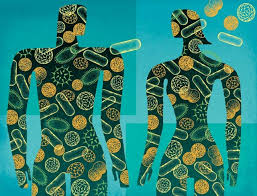
To start this topic, it is crucial to understand the concept of the microbiome, and I will explain it in simple words. The microbiome is a community of microbes that live in our body, however, the biggest colony is in our GI tract. We start building microbiome the moment we are born when we exit our mother’s body either through natural birth or cesarean and also through breastfeeding. As years passed and we keep growing, our microbiome also grows and diversifies. It feeds on the food and the environment we live in. There are many research studies that show that the health of the microbiome contributes to our health in many ways: control mood swings, brain fog, fight auto immune diseases, absorb nutrients and reduce or increase the incidence of chronic diseases such as diabetes 1 and 2, obesity, arthritis, heart and brain diseases.

images-2

I must admit I had no idea we had so many critters living in our guts. It almost sounded like a science fiction movie, if you think of the 100 trillion bacteria that live inside our bodies and the fact they communicate with our genes it’s amazing. At the same time, realizing the connection between our brain, nervous system and microbes is mindblowing.  So considering the microbiome has the power to drive our genetic expression, (meaning they can turn on or off certain genes that can cause diseases) I think it’s very important that we learn how to nourish ourselves and our community of microbes. What research studies show us is that we need to diversify the bacteria in our bodies because it will help us fight diseases in a more efficient way.

I dare to say the general understanding on bacteria goes like this: we all have good and bad bacteria. When we take antibiotics, we kill good and bad bacteria, which is why we take probiotics to help rebuild the good bacteria. However, as I learn more about this topic, I realized that our gut health goes far beyond the standard media recommendations to focus on probiotics as a way to maintain gut health.

Not surprisingly, there are certain foods that our bad bacteria love and others that our good bacteria need in order to maintain good health. There is a constant battle for power between good and bad bacteria so we need to identify the foods that help good bacteria to succeed.

Let’s go over them.

Recommended foods:

  • Fermented foods like yogurt, fermented vegetables, and kombucha. Check out this link for more information on fermented vegetables. http://articles.mercola.com/fermented-foods.aspx
  • Polyphenol rich foods like blueberries, raw cacao, broccoli and green tea.
  • Plant –based foods add fiber to our diet, which prevents bacteria from eating the mucus in your intestines. This is clearly explained by Dr. Mercola in his blog. I became a fan of Dr. Joseph Mercola because of his extensive work to create more educated consumers and patients. imgres-3

Also, it’s important to add a variety of foods. Research studies show that 75% of the standard western diet is based on 12 plants and 5 animal species. [1] So, in regards to taking probiotics, of course, they help our gut health but food is a stronger influence in terms of long lasting results.

Now, let’s go over the not so recommended foods:imgres-5

  • Fat and  Sugary processed foods – These are huge disruptors of microbial balance. Bad bacteria love sugar (and fat). The more we eat it, the more bad bacteria grow while good bacteria decrease in number. When this happens, we decrease our ability to fight diseases.
  • Conventionally raised animals (and its products) – Due to the antibiotics they are fed while raised.
  • Antibiotics – It is best to avoid them unless you really need to take them for medical reasons. 

If you compare this information to that shared previously in my blogs it all seems to head in the same direction. The best options to keep healthy are foods in their natural form (not processed), fresh, whole and organic.

I found this video, which gives a short but complete picture of how the microbiome world works inside us. You might want to look at it and while you do it, you can share it with everyone you care for. https://www.youtube.com/watch?v=1sISguPDlhY

Becoming a conscious consumer is something attainable. Trust me, it is not that difficult, if you are reading this, you are already on the right path. So keep tuned and stay connected.

What’s your gut feeling after reading this? I would love to hear from you!


Hasta pronto!


[1]Molecular Metabolism 2016 Mar 5;5(5): 317-20


Tus peores o mejores aliados

images-1

Si alguien te dijera que los alimentos que consumes no sólo te nutren a ti sino también a los 100 trillones de bacteria que viven en tu cuerpo, crees que te alimentarías de manera diferente?

Los habitantes de nuestro cuerpo son muy pequeños, así que será relevante? Con el conocimiento que tienes actualmente que te dice tu instinto (gut feeling en inglés) sobre cuales serian las mejores o peores opciones alimenticias para tu flora intestinal? Pensarias que este tema realmente importante? Despues de investigar sobre el tema y créanme que solo lo estoy discutiendo de una manera superficial en este blog, pienso que debemos aprender mucho sobre como nuestros bichitos viven y se alimentan de nosotros. Por qué? Porque su salud y bienestar es crucial para nuestra salud.

Los estudios científicos nos muestran que tenemos alrededor de 100 trillones de bacteria viviendo en nuestro cuerpo. Sabias que esto significa una proporción de 10 a 1 comparado con nuestras celulas? Yo no lo sabia. Esto significa que basicamente sómos seres hibrídos: mitad humanos + mitad microbioma.

Para comenzar a abordar este tema es crucial entender el concepto de microbioma y lo voy a explicar de una manera muy simple. El microbioma es una comunidad de microbios que viven en nuestro cuerpo, sin embargo, la colonia más grande esta ubicada en el tracto intestinal. Llamada flora intestinal en español. Empezamos a crear nuestra flora intestinal en el momento en que nacemos y llegamos a este mundo por parto natural o por cesarea y luego por medio de la lecha materna. Con el paso del tiempo y seguimos creciendo, este tambien crece y de diversifica. Hay muchos estudios que demuestran que la salud de nuestro microbioma contribuye a nuestra salud de muchas maneras. Contribuye a controlar los cambios de animo, la niebla cerebral (cuando uno se siente con la cabeza nublada y no puede pensar o actuar claramente), combatir enfermedade autoinmunes, absorber nutrientes y en general reducir o por el otro lado aumentar la incidencia de enfermedades crónicas como son la diabetes 1 y 2, artritis y enfermedades cardiovasculares.

Tengo que admitir que no tenia idea que tuvieramos tantos bichos viviendo en el tracto intestinal. Por un momento casi me parece una película de ciencia ficción si uno se pone a pensar en los 100 trillones de bacteria que viven en nuestro cuerpo y el hecho de que estos pueden comunicarse con nuestros genes me parece sorprendente. Al mismo tiempo, entender la conexión entre nuestro cerebro, el sistema nervioso y los microbios es algo impresionante. Así que teniendo en cuenta que el microbioma tiene el poder de afectar nuestra expresion genetica ( Es decir que tiene el poder de encender o apagar ciertos genes causantes de enfermedades) pienso que es muy importante que aprendamos como nutrirnos y como nutrir a nuestra comunidad de microbios. Lo que la ciencia nos muestra es que necesitamos diversificar las bacterias en nuestro cuerpo porque de esa forma podremos estar mejor equipados para combatir enfermedades de manera eficiente.

images-2

Me atrevería a decir que el entendimiento común sobre las bacterias es más o menos así: Todos tenemos bacterias buenas y males. Cuando tomamos antibióticos, matamos todas las bacterias, razón por la cual tomamos probióticos para reconstruir las bacterias buenas en la flora intestinal. Sin embargo, entre más me ahondo en el tema me doy cuenta que nuestra salud intestinal va mucho más alla de las recomendaciones generales de tomar probióticos para mantener una balance saludable.

No es de sorprenderse que hay algunos alimentos que nuestras bacterias malas les encanta y otros que las bacterias buenas necesitan para mantener un balance. Existe una batalla constante por el poder entre las bacterias buenas y malas así que necesitamos identificar que alimentos ayudan a las bacterias buenas a salir triunfantes.

Repasémoslas.

Alimentos recomendados:

imgres-3

  • Alimentos fermentados como el yogurt, vegetales fermentados (encurtidos) y kombucha. Mira este link para ver info sobre vegetales encurtidos. http://articles.mercola.com/fermented-foods.aspx
  • Alimentos ricos en polifenoles como los arándanos, cacao puro, broccoli y té verde.
  • Alimentos basados en plantas adicionan fibra a nuestra dieta, lo cual previene que las bacterias se coman la mucosidad intestinal (que es el inicio de muchas enfermedades gastrointestinales y crónicas). Esto lo explica claramente el Dr. Joseph Mercola en su blog. Yo soy fan de su trabajo ya que es un medico muy activo y respetado en los Estados Unidos en lo que respecta a medicina osteopática. Dedica mucho de su tiempo a educar a consumidores y pacientes sobre diferentes temas en salud.

Igualmente, es importante crear una variedad en las comidas. Estudios científicos demuestran que 75% de la dieta convencional occidental se centra en solo 12 plantas y 5 especies animales. [1] Así que volviendo al tema de los probióticos, por supuesto que ayudan a mantener una flora intestinal saludable pero la alimentación sigue siendo una influencia mucho mas diciente y con resultados a largo plazo.

Ahora hablemos de los alimentos que no son recomendados:

imgres-5

  • Comidas procesadas azucaradas y grasosas – Estos crean un desbalance en la flora intestinal de grandes proporciones. A las bacterias malas les encanta el azucar (y la grasa). Entre más comemos, más crecen estas bacterias mientras que las bacterias buenas empiezan a disminuir rapidamente. Cuando esto sucede, perdemos nuestra habilidad para combatir enfermedades.
  • Animales criados de manera convencional (y sus productos) – Debido a los antibióticos que les inyectan cuando estan en el criadero.
  • Antibióticos – Es recomendable evitar su consumo a menos que realmente los necesites tomar por razones medicas.

Si comparas esta información con la que he compartido en blogs anteriores todo parece apuntar hacia la misma dirección. La mejor manera de mantenernos saludables es consumir alimentos en su forma natural (no procesada) que sean frescos, enteros y organicos.

Encontre este video, el cual es corto y da una explicación completa sobre como el mundo del microbioma funciona dentro de nuestro cuerpo. Seguro te sera util y mientras lo haces, lo puedes compartir con otros que quieres que tambien aprendan y se cuiden mejor. https://www.youtube.com/watch?v=1sISguPDlhY

Volvernos consumidores conscientes es algo que se puede lograr. Creéme, no es tan dificil, si estas leyendo esto es porque ya vas por buen camino. Asi que manténte conectado para más información.

Cual es tu opinión al respecto? Me encantaría saber que te dice tu gut feeling.

Hasta pronto!


[1]Molecular Metabolism 2016 Mar 5;5(5): 317-20